

Ductless Kitchen Chimney vs. Traditional: Which is Best?
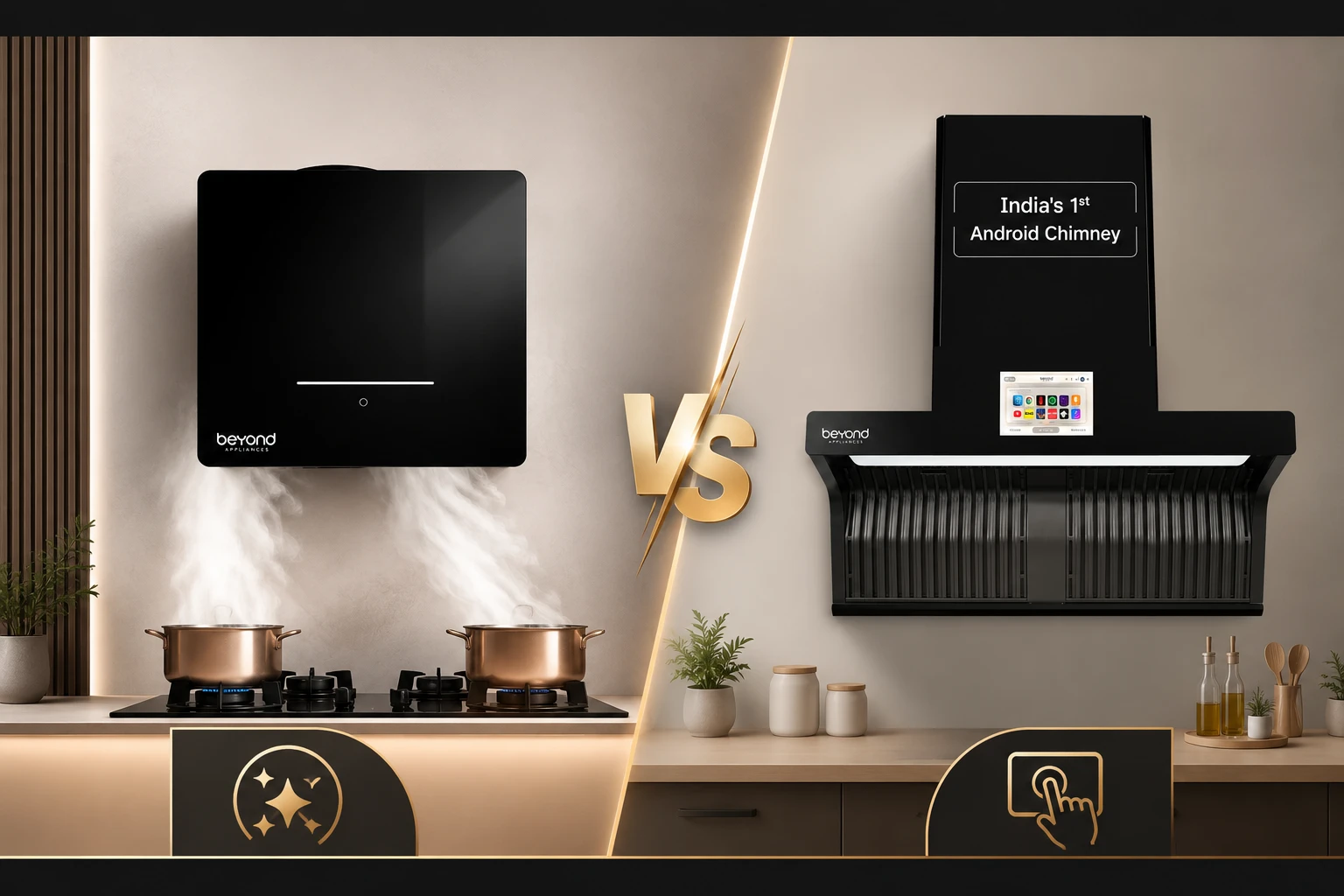
Modern kitchens demand smart solutions that work with your lifestyle, not against it. When choosing between ductless and traditional kitchen chimneys, the decision impacts everything from installation time to long-term maintenance costs. Ductless models offer plug-and-play convenience without structural modifications, while traditional systems provide maximum extraction power through external venting. Understanding these differences helps you make the right choice for your cooking habits, kitchen layout, and budget. The best option depends on your specific needs, whether you prioritize quick installation, rental-friendly features, or maximum performance for heavy Indian cooking.
Kitchen chimneys fall into two main categories based on their ventilation approach. Each type serves different needs and comes with distinct advantages for modern cooking spaces.
A ductless chimney for kitchen use recirculates air through advanced filtration systems instead of venting it outside. These units draw cooking smoke and odors through multiple filter stages, typically including activated carbon layers that trap grease and neutralize smells. The cleaned air returns to your kitchen, eliminating the need for external ductwork or wall modifications.
Traditional kitchen ventilation systems expel contaminated air directly outside through dedicated ductwork. These systems require permanent installation with pipes running through walls or ceilings to external vents. The process removes heat, steam, and cooking odors completely from your home rather than filtering and recirculating them.
Installation complexity marks the primary difference between these systems. Ductless models plug into standard electrical outlets and mount directly to walls without additional infrastructure. Traditional systems need professional installation, structural modifications, and ongoing ductwork maintenance. Performance varies too, with ducted systems offering higher extraction rates while ductless options provide adequate filtration for most cooking needs.
Modern compact kitchen hood designs prioritize convenience and aesthetic appeal. Ductless systems excel in both areas, offering solutions that work with contemporary living situations.
Ductless installation takes minutes rather than hours or days. These units mount directly to walls using standard brackets, requiring only electrical connection to begin operation. No core cutting, ceiling modifications, or structural changes are needed. This approach preserves your kitchen's original design while adding powerful ventilation capabilities.
Today's wall mounted chimney designs complement sleek kitchen aesthetics. Slim kitchen chimney profiles fit seamlessly above cooktops without overwhelming smaller spaces. Designer kitchen chimney options feature touch controls, LED lighting, and premium finishes that enhance rather than detract from your kitchen's visual appeal. These units integrate naturally with modular kitchen layouts and contemporary design themes.
Ductless systems work perfectly for renters who cannot make permanent modifications. The portable nature means you can take your investment when moving. No landlord permissions or building approvals are required, making these ideal for urban living situations where structural changes face restrictions.
Effective ventilation depends on matching chimney capacity to your cooking style and kitchen size. Both system types offer strong performance when properly selected.
Quality ductless models deliver 1400-1600 CMH suction capacity, sufficient for most Indian cooking requirements. Advanced filtration removes up to 95% of cooking odors and grease particles. Multi-stage carbon filters handle heavy oil cooking, spice tempering, and high-heat preparation methods common in Indian kitchens. Auto-clean features maintain performance by preventing filter clogging.
Ducted systems can achieve higher suction rates, above 1400 CMH in premium models. Direct external venting removes heat more effectively, keeping kitchens cooler during extended cooking sessions. These systems handle continuous heavy cooking better, making them suitable for large families or frequent entertaining.
Both systems manage typical Indian cooking loads effectively when properly sized. Ductless models excel at odor control and grease capture during regular meal preparation. Traditional systems provide superior heat removal during extended cooking sessions or when using multiple burners simultaneously.
Total ownership costs include initial purchase, installation, and ongoing maintenance expenses. Understanding these helps budget effectively for your kitchen ventilation needs.
When you buy kitchen chimney online, ductless models typically cost ₹10,000-₹35,000 depending on features and capacity. Traditional systems have similar product costs but require additional installation expenses. Professional ducted installation adds ₹3,000-₹15,000 to total project costs, depending on complexity and ductwork requirements.
Ductless installation costs remain minimal, often just delivery charges when purchasing online. Traditional systems need professional installation including ductwork, wall cutting, and external venting setup. Complex installations requiring ceiling work or long duct runs can significantly increase total project costs.
Filter replacement represents the main ongoing cost for ductless systems. Quality carbon filters cost ₹800-₹3,000 depending on grade and brand. Replacement frequency varies from 6 months to 4 years based on cooking frequency and filter quality. Traditional systems need periodic duct cleaning and filter maintenance but typically have lower ongoing costs.
Filtration technology determines long-term performance and maintenance needs. Understanding filter types helps predict ownership costs and maintenance schedules.
Modern ductless units use multi-stage filtration combining mesh pre-filters, activated carbon layers, and sometimes HEPA-grade final filters. Auto-clean technology uses heat cycles to liquefy trapped grease, reducing manual cleaning frequency. Quality filters maintain effectiveness longer, justifying higher initial costs through extended replacement intervals.
Ducted systems primarily use baffle filters that require regular washing but rarely need replacement. Ductwork needs periodic professional cleaning to maintain airflow and prevent grease buildup. External vents require occasional inspection and cleaning to ensure proper operation.
Ductless systems need more frequent attention due to filter dependencies. However, maintenance tasks are simpler and can be performed by users. Traditional systems require less frequent but more complex professional maintenance. Both benefit from regular cleaning schedules that prevent performance degradation.
Selecting between ductless and traditional systems depends on your specific situation, cooking habits, and long-term plans.
Ductless models work best for apartments, rental properties, or kitchens where structural modifications are impractical. They suit moderate cooking loads and provide excellent kitchen exhaust fan alternatives for urban living. Quick installation requirements and portability make them ideal for temporary or changing living situations.
Heavy cooking requirements, large families, or commercial-style home cooking benefit from traditional systems. Permanent installations in owned homes justify the higher setup costs through superior long-term performance. Maximum heat removal capabilities make ducted systems preferable for extensive cooking operations.
Consider your long-term cooking habits and housing situation when deciding. Ductless technology continues improving, with better filters and smart features emerging regularly. Traditional systems offer proven long-term reliability but require permanent commitment to your current location.
Feature |
Beyond Appliances Ductless |
Premium Ductless Brand |
Traditional Ducted System |
|---|---|---|---|
Suction Capacity |
1600 CMH |
1400-1650 CMH |
1800-2500 CMH |
Installation Time |
10 minutes plug-and-play |
30-60 minutes |
4-8 hours professional |
Filter Technology |
5-stage activated carbon |
3-5 stage carbon |
Baffle filters |
Auto-Clean |
Heat-based oil liquefaction |
Basic heat cycle |
Manual cleaning required |
Motor Type |
Silent BLDC |
Standard/BLDC options |
Standard induction |
Warranty |
15 years motor, 2 years product |
2-12 years motor |
2-5 years comprehensive |
Filter Replacement Cost |
₹2,000 |
₹800-₹3,000 |
Minimal (washable) |
Noise Level |
Ultra-quiet operation |
Moderate |
Higher due to ductwork |
The best ductless chimney combines high suction capacity (1400+ CMH), efficient filtration, and reliable auto-clean features. Look for BLDC motors that operate quietly while maintaining strong performance. Beyond Appliances offers 1600 CMH suction with silent BLDC technology and heat-based auto-clean systems.
Yes, quality ductless chimneys handle Indian cooking effectively, removing 90-95% of cooking odors and grease. Multi-stage carbon filtration manages heavy oil cooking, spice tempering, and high-heat preparation methods. Success depends on proper sizing and regular filter maintenance.
Filter replacement costs vary from ₹800 for basic carbon filters to ₹3,000 for premium activated carbon options. Replacement frequency depends on cooking habits and filter quality. Higher-grade filters last longer, reducing annual maintenance costs despite higher initial prices.
Modern systems offer smart features like auto-clean cycles, touch controls, and energy-efficient BLDC motors. Advanced filtration removes more contaminants while operating quietly. Smart connectivity and gesture controls add convenience for busy cooking environments.
Most ductless models support DIY installation with basic wall mounting and electrical connection. Units with plug-and-play design require minimal tools and technical knowledge. Professional installation ensures optimal placement and performance but is not always necessary.
Ductless chimneys provide practical solutions for modern kitchens where convenience and flexibility matter most. High-grade carbon filters purify recirculated air effectively, while compact, plug-and-play designs need no core cutting and ducting modifications. These systems excel in rental properties, apartments, and kitchens requiring quick installation without structural changes. Quality ductless models deliver sufficient performance for most Indian cooking needs while offering portability and ease of maintenance that traditional systems cannot match.
