

Curved Chimney Pros and Cons: Complete Guide
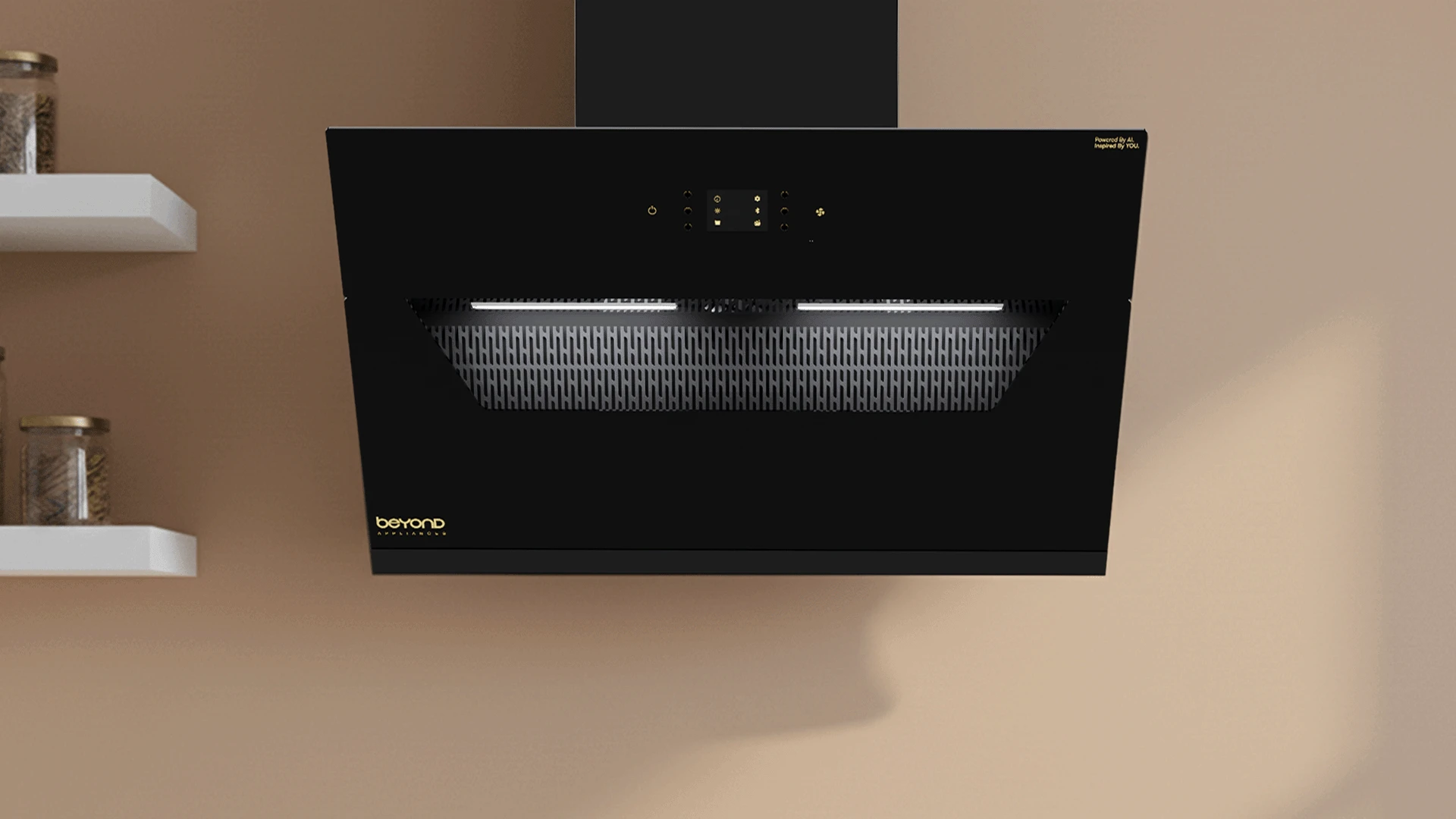
Kitchen chimneys have evolved far beyond basic functionality to become statement pieces that define modern cooking spaces. Among the various modern chimney styles available today, curved chimneys stand out for their distinctive design and performance characteristics. Understanding curved chimney pros and cons helps homeowners make informed decisions when planning their dream kitchen. This comprehensive guide explores everything from design benefits to cost considerations, helping you determine if a curved chimney aligns with your cooking needs and aesthetic preferences.
A curved chimney features a distinctive rounded or arched design that creates a smooth, flowing silhouette above your cooking area. Unlike traditional box chimneys with sharp edges and angular profiles, curved chimney design incorporates gentle curves that blend seamlessly with contemporary kitchen aesthetics. These chimneys typically feature a dome-shaped or cylindrical body that tapers elegantly toward the ceiling mount. The design philosophy behind curved chimneys centers on combining form with function. The rounded structure not only provides visual appeal but also optimizes airflow dynamics for better suction performance. Most curved chimneys incorporate premium materials like stainless steel or tempered glass, often featuring touch controls and LED lighting systems that enhance their modern appeal.
Curved chimneys come in various configurations to suit different kitchen layouts. Wall-mounted curved models work well in linear kitchen designs, while island variants provide 360-degree suction coverage for open cooking spaces. The curved profile typically ranges from subtle arcs to dramatic dome shapes, allowing homeowners to choose designs that complement their overall kitchen theme.
The advantages of curved chimneys extend beyond their striking appearance to include practical benefits that enhance daily cooking experiences. Understanding these benefits helps homeowners appreciate why curved designs command premium pricing in the chimney market.
Curved chimneys serve as architectural focal points that elevate kitchen design standards. Their smooth, flowing lines create visual interest without overwhelming the space, making them ideal for both minimalist and elaborate kitchen themes. The absence of sharp edges contributes to a softer, more welcoming cooking environment that encourages family interaction and entertaining. The unique chimney designs offered by curved models complement open-plan living spaces where kitchens flow into dining and living areas. Their sculptural quality transforms functional appliances into design elements that enhance property value and aesthetic appeal.
The curved structure provides superior suction coverage compared to traditional rectangular chimneys. The rounded design creates more uniform airflow patterns that effectively capture smoke, steam, and cooking odors from larger cooking surfaces. This makes curved chimneys particularly effective for households that frequently prepare oil-heavy or spice-intensive dishes. Round chimney benefits include reduced noise levels during operation due to improved aerodynamics. The smooth internal surfaces minimize air turbulence, resulting in quieter performance even at higher suction speeds. Additionally, the curved design distributes structural stress more evenly, contributing to longer appliance lifespan.
Despite their substantial appearance, curved chimneys often provide better headroom clearance than bulky box models. The tapered design creates more usable space around the cooking area, allowing comfortable movement and easier access to overhead storage. This makes them excellent compact chimney options for apartments and smaller homes where every inch matters. The streamlined profile also works well in kitchens with lower ceiling heights, where traditional chimneys might appear overwhelming or cramped.
While curved chimneys offer numerous advantages, potential buyers should understand the limitations and challenges associated with these premium appliances. Honest evaluation of these drawbacks ensures realistic expectations and informed purchasing decisions.
Curved chimneys typically cost 20-40% more than equivalent straight or box models due to complex manufacturing processes and premium materials. Chimney cost factors include specialized curved glass panels, advanced motor systems, and sophisticated control mechanisms that drive up initial investment requirements. Installation costs also tend to be higher due to the precision required for proper mounting and ducting connections. The curved design may require custom ductwork modifications that add to overall project expenses. Homeowners should budget INR 5,000-15,000 additional for professional installation compared to standard chimney models.
The complex geometry of curved chimneys requires experienced technicians for proper installation and servicing. Finding qualified service providers can be challenging in smaller cities or rural areas. The curved surfaces also present unique cleaning challenges, as standard cleaning tools may not effectively reach all interior areas. Replacement parts for curved chimneys often cost more and may have longer delivery times compared to standard models. The specialized nature of these appliances means fewer technicians are trained to service them properly.
Curved chimneys may not suit all kitchen styles, particularly traditional or rustic themes where angular designs feel more appropriate. The prominent curved profile can clash with existing cabinetry or architectural elements, requiring careful design coordination. Certain ceiling configurations or structural limitations may prevent proper curved chimney installation, forcing homeowners to consider chimney alternatives that better suit their space constraints.
Understanding how curved chimneys compare to other popular styles helps homeowners make informed decisions based on their specific needs and preferences. Each chimney type offers distinct advantages depending on kitchen layout, cooking habits, and budget considerations.
Curved chimneys generally provide superior suction coverage compared to straight box models due to their optimized airflow design. However, slant chimneys may offer better performance in compact spaces where the angled design provides more direct suction over the cooking surface. T-shaped chimneys excel in larger kitchens where maximum coverage area is required, while curved models balance performance with aesthetic appeal. The choice often depends on whether functionality or design takes priority in the kitchen planning process.
Straight chimneys require minimal ceiling clearance and work well in apartments with standard ceiling heights. Curved chimneys need adequate space to showcase their design but may actually provide better headroom than bulky rectangular models. Slant chimneys work best in small space chimney applications where angled installation maximizes suction efficiency while minimizing visual bulk.
Selecting the ideal curved chimney requires careful consideration of multiple factors including kitchen size, cooking habits, budget constraints, and design preferences. A systematic approach ensures the chosen model delivers optimal performance and satisfaction.
Kitchen size directly influences the required chimney capacity and suction power. For kitchens up to 100 square feet, a 60cm curved chimney with 1000-1200 cubic meters per hour suction typically suffices. Larger kitchens may require 90cm models with 1500+ cubic meters per hour capacity. Cooking frequency and style also impact capacity needs. Households that frequently prepare fried foods or use multiple burners simultaneously benefit from higher-capacity curved chimneys with variable speed controls.
Successful curved chimney integration requires coordination with existing kitchen elements including cabinetry, lighting, and ceiling design. The chimney should complement rather than compete with other design features. Color and finish selection significantly impacts visual integration. Stainless steel curved chimneys work well with modern appliances, while black glass models suit contemporary minimalist themes. Some manufacturers offer custom color options for perfect design matching.
Yes, curved chimneys excel in daily cooking applications due to their superior suction coverage and efficient smoke capture. The rounded design provides consistent performance across different cooking methods, from light sautéing to heavy-duty frying.
Curved chimneys offer better aesthetics and often superior suction coverage, while straight chimneys provide simpler installation and lower costs. The choice depends on your priorities regarding design, performance, and budget.
Key advantages include enhanced visual appeal, improved airflow dynamics, better suction coverage, reduced noise levels, and space-efficient design that maximizes headroom clearance.
Curved chimneys typically provide broader suction coverage, while slant chimneys offer more direct suction over the cooking surface. Curved models generally perform better in larger kitchens, while slant designs excel in compact spaces.
For homeowners prioritizing design aesthetics and superior performance, curved chimneys justify their premium pricing. However, budget-conscious buyers may find equal functionality in less expensive straight or slant models.
Kitchen size, cooking habits, and burner configuration determine optimal chimney size. Generally, 60cm models suit kitchens up to 100 square feet, while larger spaces require 90cm or bigger curved chimneys.
Regular cleaning every 2-3 months maintains optimal performance. Professional servicing annually ensures motor efficiency and extends appliance lifespan. The curved design may require specialized cleaning techniques.
Yes, curved chimneys can work well in small kitchens due to their space-efficient design and superior headroom clearance. Choose appropriately sized models to avoid overwhelming the space.
Curved chimneys represent the perfect fusion of form and function in modern kitchen design. While they command premium pricing and may present installation challenges, their superior aesthetics, enhanced performance, and space-efficient design make them worthwhile investments for discerning homeowners. The key lies in carefully evaluating your specific needs, budget constraints, and design preferences to determine if a curved chimney aligns with your kitchen goals. Whether you prioritize cutting-edge design or simply want the best possible cooking experience, understanding these curved chimney pros and cons empowers you to make confident decisions that enhance your culinary space for years to come.
