

Cooktop Size Guide: Everything You Need to Know
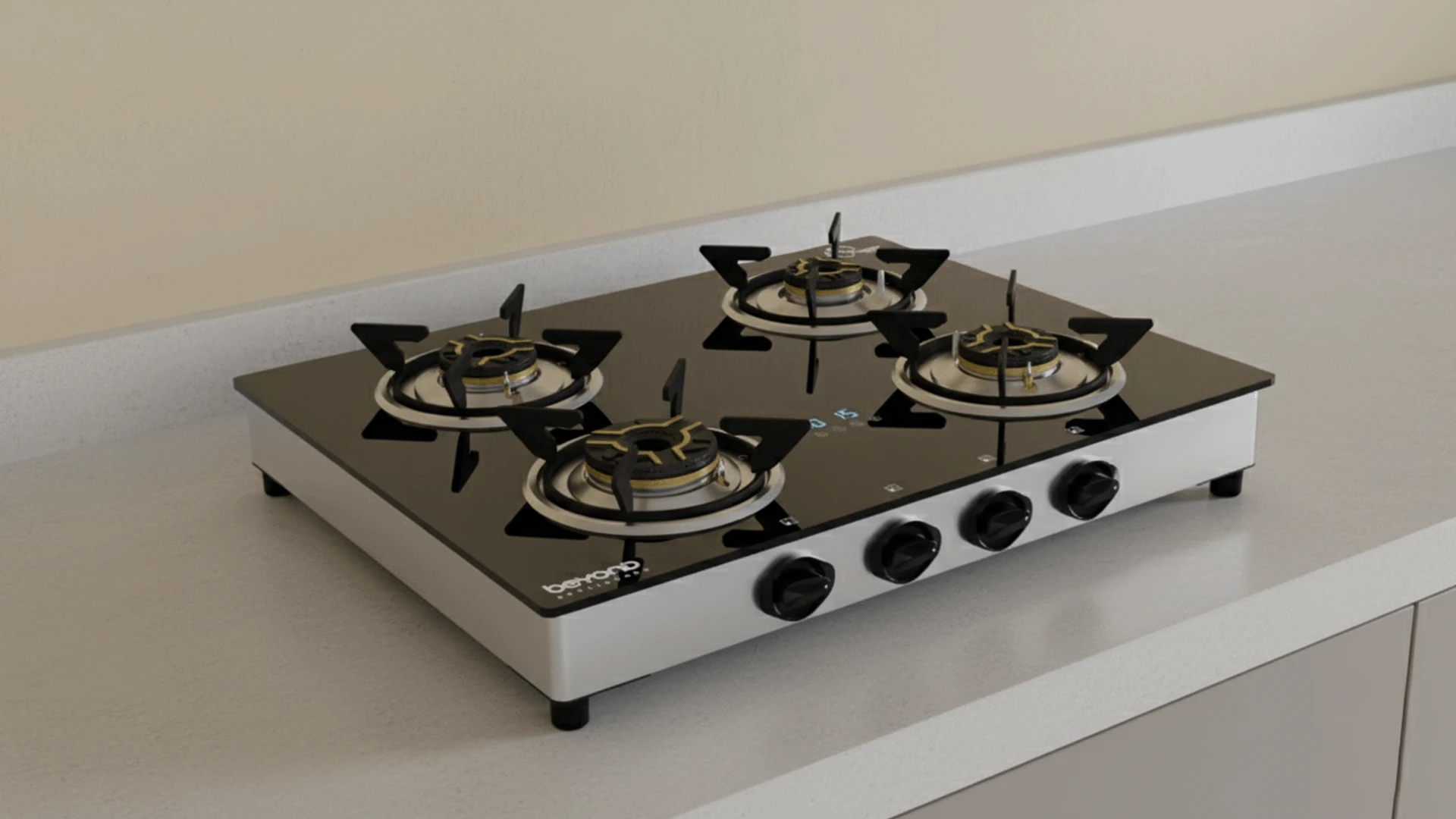
Selecting the right cooktop size is one of the most important decisions you'll make during your kitchen design or renovation. The perfect cooktop dimensions can transform your cooking experience, while the wrong choice can leave you frustrated with cramped workspace or wasted counter space. Understanding how to select cooktop size involves more than just measuring your available space – it requires careful consideration of your cooking habits, kitchen layout, and installation requirements. This comprehensive guide will walk you through everything you need to know about cooktop sizes, from standard dimensions to specialized compact options that maximize functionality in any kitchen.
Cooktop dimensions follow industry standards that make shopping and installation more predictable. Most manufacturers design their products around these common measurements to ensure compatibility with standard cabinet configurations and installation requirements.
The market offers four main width categories to suit different kitchen sizes and cooking needs. 24-inch compact cooktops are perfect for small apartments, studio kitchens, or secondary cooking areas. These units typically feature two burners and fit seamlessly into tight spaces without sacrificing cooking quality. 30-inch standard cooktops represent the most popular choice for average-sized kitchens. They usually include four burners with varied heat outputs, providing excellent versatility for daily cooking tasks. This size strikes an ideal balance between functionality and space efficiency. 36-inch large cooktops cater to serious home cooks who need extra burner capacity. These models often feature five or six burners, including specialized high-heat and simmer burners. They're perfect for larger families or those who frequently entertain guests. 48-inch professional-grade options bring commercial-level performance to residential kitchens. These premium units offer maximum cooking capacity with multiple burner types, griddle sections, and professional-grade heat output.
Standard cooktop depth typically measures between 20 to 22 inches, designed to align perfectly with standard countertop depth. This consistency ensures your cooktop integrates seamlessly with your kitchen design without creating awkward overhangs or gaps. Cutout depth requirements are slightly smaller than the overall product dimensions, usually requiring 18 to 20 inches of cabinet depth. This difference accommodates the cooktop's rim that sits on top of the countertop surface.
Understanding the difference between product dimensions and cooktop cutout dimensions is crucial for proper installation. The overall cooktop size includes the rim and control areas, while cutout dimensions refer to the hole needed in your countertop. For example, a 30-inch cooktop might require a 28.5-inch cutout width, leaving room for the decorative rim to rest on the countertop surface. Always verify these specifications before beginning any installation work.
Your kitchen's layout significantly influences the ideal cooktop size selection. Consider traffic patterns, available counter space, and overall kitchen functionality when making your decision.
Small kitchens benefit from compact cooktops that maximize functionality without overwhelming the space. A 24-inch unit can provide excellent cooking capability while preserving precious counter space for food preparation. Consider the cooking triangle principle – the relationship between your cooktop, sink, and refrigerator. In small kitchens, a compact cooktop helps maintain efficient workflow without creating cramped conditions.
Larger kitchens offer more flexibility in cooktop sizing. A 30-inch or 36-inch cooktop can serve as a focal point while providing ample cooking capacity for family meals and entertaining. Island installations often accommodate larger cooktops since they don't compete with wall cabinet space. However, ensure adequate clearance around the island for safe movement and proper ventilation.
Cooktop width should align with your cabinet module dimensions for the most professional appearance. Standard cabinets come in 3-inch increments, so choose a cooktop size that works harmoniously with your cabinetry layout. Maintain at least 15 inches of counter space on one side of the cooktop for safe food handling and preparation. This clearance becomes even more important with larger cooktop sizes.
Proper installation requires precise measurements and adherence to safety codes. Understanding these requirements helps ensure a successful installation and optimal performance.
Start by measuring your available cabinet width, accounting for any obstructions like plumbing or electrical lines. Use a quality tape measure and double-check all measurements before ordering your cooktop. Measure the depth from the front edge of the countertop to the back wall, ensuring adequate clearance for the cooktop's depth requirements. Don't forget to account for any backsplash thickness that might affect the fit.
Cooktop cutout dimensions must be precisely cut to manufacturer specifications. Too large, and your cooktop won't sit properly; too small, and installation becomes impossible. Ensure your cabinet structure can support the cooktop's weight, especially for heavy cast iron or professional-grade models. Additional support brackets may be necessary for some installations.
Proper ventilation clearances are essential for safety and performance. Most codes require specific distances between the cooktop surface and any overhead cabinets or range hoods. Side clearances prevent heat damage to adjacent cabinets and ensure safe operation. Check local building codes for specific requirements in your area.
Compact cooktops have evolved significantly, offering impressive performance in space-saving designs. Modern small cooktop options deliver professional-level cooking capability without requiring extensive kitchen modifications.
Today's compact cooktops feature advanced burner technology that rivals larger models. High-efficiency burners provide rapid heating and precise temperature control, perfect for everything from quick breakfast preparation to elaborate dinner cooking. Many 24-inch models include one high-heat burner for boiling and searing, plus one simmer burner for delicate sauces and gentle cooking. This combination handles most cooking tasks efficiently.
Induction cooktop modules offer ultimate flexibility for small spaces. These units can be installed permanently or used as portable cooking solutions when needed. Modular designs allow you to customize your cooking surface based on specific needs. Combine different burner types or add specialized cooking zones like griddles or wok burners.
Efficient cooking techniques help you get the most from compact cooktops. Use appropriately sized cookware to maximize heat transfer and energy efficiency. Invest in quality, multi-functional cookware that works well with your cooktop's burner configuration. Stackable pots and nesting pans help maximize storage in small kitchens.
The 30-inch cooktop is the most popular size, fitting standard cabinet configurations and providing four burners for versatile cooking. This size works well in most average-sized kitchens and offers the best balance of functionality and space efficiency.
Maintain at least 15 inches of counter space on one side and 12 inches on the other side of your cooktop. Above the cooktop, allow 24-30 inches to the bottom of any cabinets or 18-24 inches to a range hood, depending on local codes.
This depends on your available cabinet space and countertop configuration. You'll need to modify the cutout and potentially adjust cabinetry. Consider the additional counter space requirements and ventilation needs before making this change.
Cooktop size refers to the overall product dimensions, while cutout size is the hole needed in your countertop. The cutout is typically 1-2 inches smaller than the overall cooktop size to accommodate the rim that sits on the counter surface.
Gas cooktops always require professional installation due to safety concerns with gas connections. Electric and induction models may be DIY-friendly for experienced homeowners, but professional installation ensures proper electrical connections and code compliance.
Measure your existing cutout dimensions rather than the old cooktop size. Also measure the overall available space to ensure your new cooktop will fit properly with adequate clearances on all sides.
Island installations can accommodate larger cooktops since they don't compete with wall cabinet space. A 36-inch cooktop works well in most islands, but ensure adequate clearance around the island for safe movement and proper ventilation.
Modern compact cooktops offer impressive performance with high-efficiency burners that rival larger models. While you'll have fewer burners, the heat output and control precision are comparable to full-size units.
Selecting the right cooktop size requires balancing your cooking needs, kitchen layout, and installation requirements. Standard sizes range from 24-inch compact units perfect for small spaces to 48-inch professional models for serious cooking enthusiasts. Always verify both overall dimensions and cutout requirements before purchase, and consider future needs when making your selection. Proper installation with adequate clearances ensures safe operation and optimal performance, regardless of the size you choose. Remember that a well-chosen cooktop size enhances your cooking experience while maintaining your kitchen's functionality and aesthetic appeal.
