

Complete Tutorial: Measuring Cooktop Dimensions
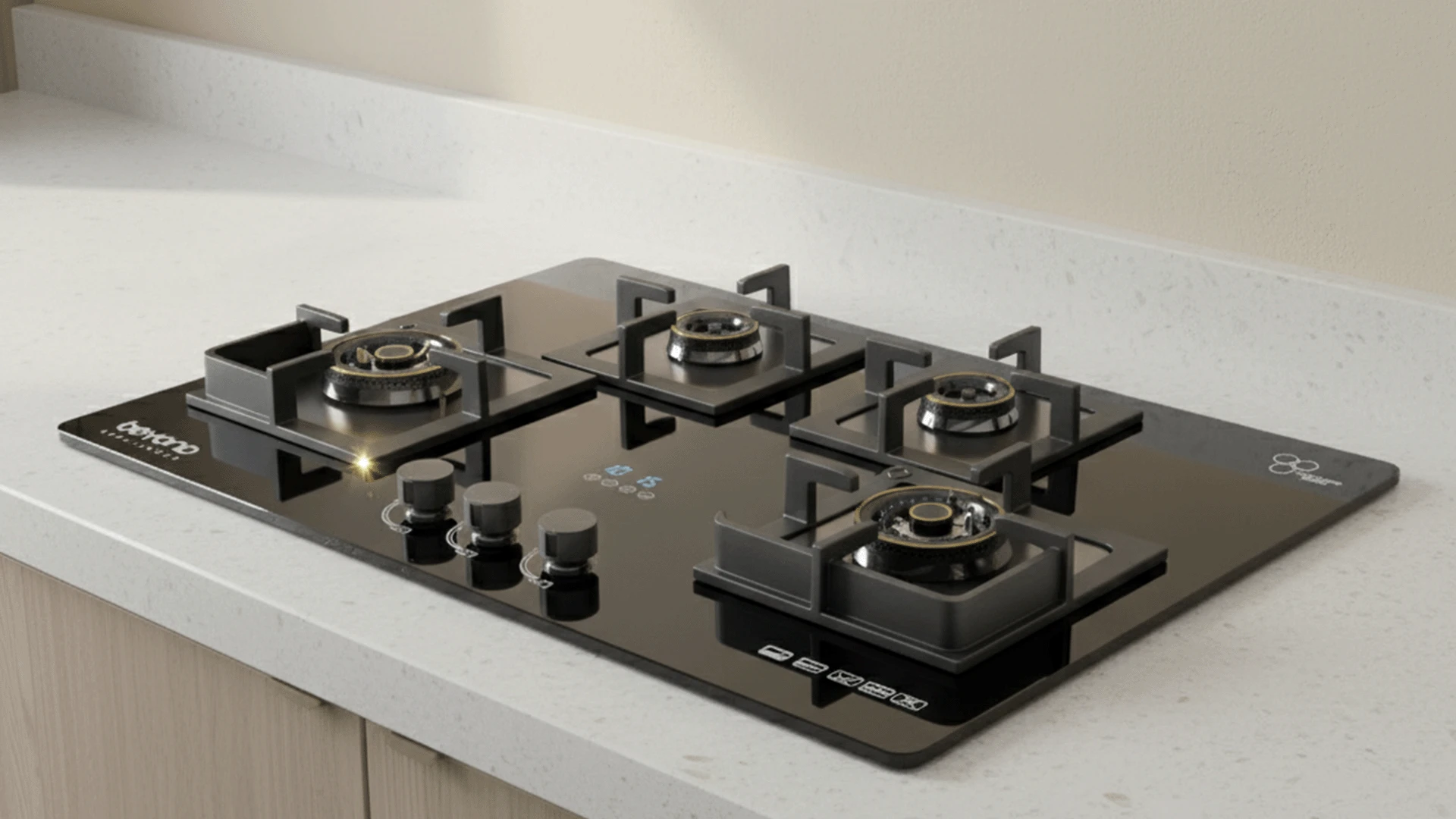
Getting the right cooktop size for your kitchen can make or break your cooking experience. Whether you're renovating your kitchen or replacing an old cooktop, understanding proper dimensions ensures a perfect fit and optimal functionality. This comprehensive cooktop size guide walks you through everything from standard measurements to installation requirements. We'll cover gas, electric, and induction options, plus provide practical tips for measuring your space accurately. By the end, you'll know exactly which cooktop dimensions work best for your kitchen layout and cooking needs.
Most cooktops follow industry-standard dimensions that make kitchen planning easier. The most common widths are 30 inches and 36 inches, though you'll also find compact options ranging from 15 to 24 inches. Standard depth typically measures 20 to 22 inches, while height varies depending on the cooktop type and installation method. These standardized cooktop dimensions ensure compatibility with most kitchen cabinets and countertops. A 30-inch cooktop fits perfectly in standard base cabinets, making it the most popular choice for average-sized kitchens. The 36-inch option provides extra cooking space, ideal for larger families or serious home cooks.
Standardization simplifies replacement and installation processes. When manufacturers follow consistent cooktop sizes, you can easily swap one unit for another without major cabinet modifications. This saves both time and money during kitchen updates.
Most built-in cooktops measure 3 to 4 inches in height, including the cooking surface and housing. Depth ranges from 20 to 22 inches, designed to fit standard countertop depths with proper clearance for installation and ventilation.
Gas cooktops come in three primary widths: 24, 30, and 36 inches. Each size offers different burner configurations and cooking capabilities. The 24-inch models typically feature two or three burners, perfect for small kitchens or secondary cooking areas. Thirty-inch gas cooktop dimensions accommodate four burners in various configurations. Some models include a high-BTU center burner for wok cooking or rapid boiling. The 36-inch versions often feature five or six burners, including specialized options like griddles or grill plates.
Larger gas cooktops generally offer higher BTU outputs across multiple burners. A 36-inch model might include burners ranging from 5,000 to 18,000 BTUs, providing versatility for different cooking techniques.
Gas cooktops require specific clearances for safe operation. Maintain at least 6 inches between the cooktop edge and any combustible materials. The cooktop installation guide should specify exact clearance requirements for your model.
Electric cooktops offer the widest range of size options, from 15-inch single-burner units to 48-inch professional-style models. The most common electric cooktop sizes remain 30 and 36 inches, matching gas cooktop standards for easy replacement. Smooth-top electric cooktops typically measure slightly thinner than coil-style units. This difference affects cutout requirements and installation depth. Coil cooktops need additional clearance for element replacement and cleaning access.
Larger electric cooktops require higher electrical capacity. A 30-inch model typically needs a 40-amp circuit, while 36-inch units often require 50 amps. Check electrical requirements before selecting your cooktop size.
Compact cooktop models excel in apartments, RVs, or secondary kitchens. These units maximize functionality while minimizing space requirements, often featuring two high-efficiency burners in a 15 to 20-inch width.
Induction cooktops follow similar sizing standards as gas and electric models. However, induction cooktop size options often include flexible cooking zones that can accommodate various pot and pan sizes. This technology allows manufacturers to create more versatile cooking surfaces within standard dimensions. Many modern cooktop dimensions incorporate bridge elements or expandable zones. These features effectively increase cooking capacity without requiring larger overall dimensions. A 30-inch induction cooktop might offer the cooking flexibility of a larger traditional unit.
Induction cooktops with flexible zones can combine multiple heating elements into larger cooking areas. This feature affects how you plan your cooking space and pot storage requirements.
While induction cooktops produce less ambient heat, proper ventilation remains important. Larger units require proportionally more ventilation capacity to handle steam and cooking odors effectively.
Accurate measurement of cooktop cutout dimensions ensures proper fit and professional appearance. Start by measuring the existing cutout width, depth, and any corner radius specifications. Most cutouts measure 1 to 2 inches smaller than the actual cooktop dimensions. Use a tape measure for precise measurements, checking multiple points along each dimension. Cutouts can shift slightly over time, so measure at the front, center, and back of the opening. Record the smallest measurement to ensure your new cooktop will fit properly.
Gather a tape measure, level, and flashlight before starting. A level helps identify any slope in the countertop that might affect installation. The flashlight illuminates hard-to-see areas under the countertop edge.
Never assume existing cutouts match standard dimensions. Previous installations might have been modified or cut incorrectly. Always measure twice and verify manufacturer specifications before ordering your new cooktop.
Small cooktop sizes range from 12 to 24 inches, perfect for studio apartments, tiny homes, or outdoor kitchens. These compact units often feature two burners with surprising power and efficiency. Despite their size, many include advanced features like precise temperature control and safety shutoffs. Portable options offer flexibility for temporary installations or seasonal use. Built-in compact models provide permanent solutions for space-constrained kitchens. Consider your cooking habits and space limitations when choosing between portable and built-in options.
Position compact cooktops strategically to maximize counter space. Corner installations or integration with other appliances can create efficient work triangles even in tiny kitchens.
Balance cooktop size with other appliance dimensions. A smaller cooktop might allow space for a larger refrigerator or additional storage. Consider your cooking priorities when making these trade-offs.
The most common standard sizes are 30 inches and 36 inches wide. These dimensions fit standard kitchen cabinet configurations and offer good cooking capacity for most households. Compact options range from 15 to 24 inches for smaller spaces.
Yes, but you need to verify the cutout dimensions. The cabinet opening should measure approximately 34 to 35 inches to accommodate a 36-inch cooktop properly. Check manufacturer specifications for exact cutout requirements.
A 30-inch cooktop works well for most families of four or fewer. It typically includes four burners with adequate cooking space for daily meal preparation. Consider your cooking style and family size when deciding if this size meets your needs.
This requires cabinet modification in most cases. You'll need to enlarge the cutout and possibly adjust surrounding cabinetry. Consult a kitchen professional to assess feasibility and costs before proceeding with this upgrade.
Maintain at least 6 inches of clearance from combustible materials on all sides. Some local codes require additional clearance, especially for gas models. Check your local building codes and manufacturer recommendations for specific requirements.
Choosing the right cooktop dimensions involves balancing your cooking needs, kitchen space, and installation requirements. Standard 30-inch and 36-inch sizes offer the best compatibility with existing kitchen layouts. Measure your cutout carefully and verify electrical or gas requirements before making your final selection. Remember that proper installation and adequate clearance ensure both safety and optimal performance for years to come.
