

Complete Guide: Built-in Hob Installation Step by Step
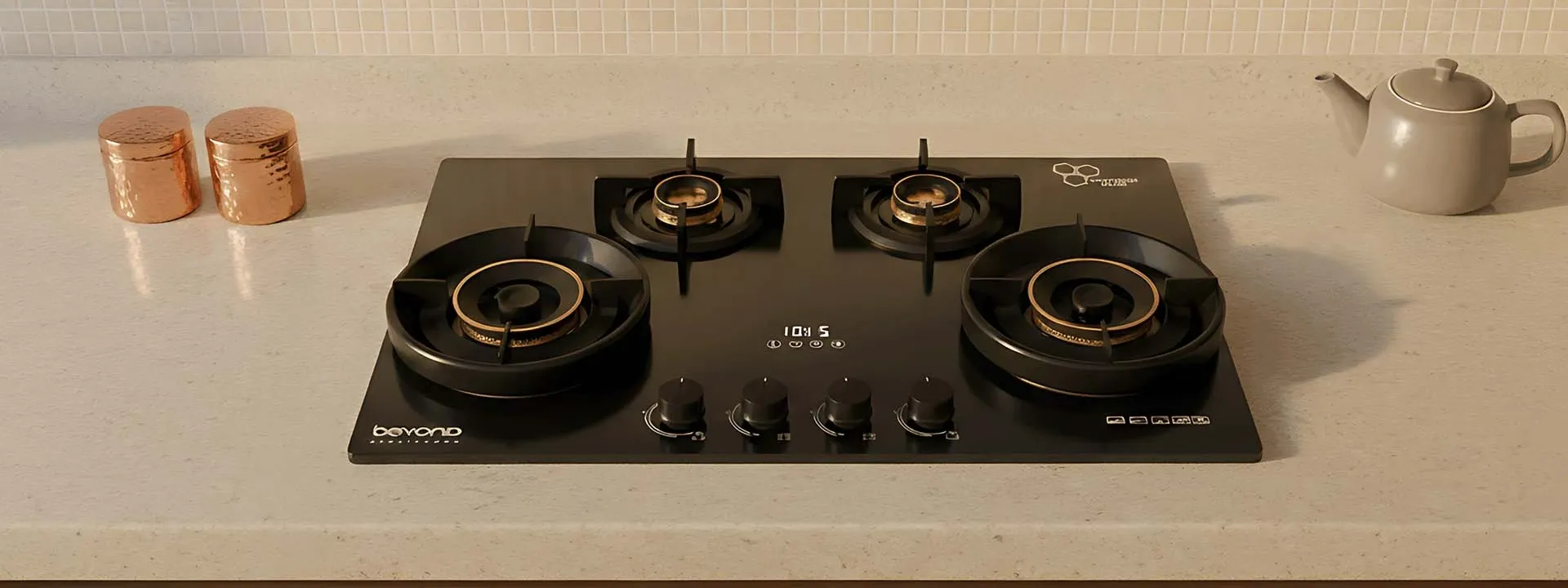
Installing a built-in hob transforms your kitchen into a sleek, modern cooking space. Whether you're upgrading from a freestanding cooker or planning a new kitchen, proper built-in hob installation requires careful planning and attention to safety. This comprehensive guide covers everything from initial measurements to final testing, helping you understand the process and make informed decisions about professional installation services.
A built in hob integrates seamlessly into your worktop, creating a clean, contemporary look that maximizes counter space. Unlike freestanding cookers, these units require precise cutouts and proper connections to gas or electrical supplies.
Gas hob installation must always be performed by a Gas Safe registered engineer. This legal requirement ensures safety and maintains your home insurance validity. Gas connections involve specialized knowledge of pressure testing and leak detection.
Electric hob installation typically requires a dedicated 32-amp circuit, while induction hob installation may need additional electrical considerations due to electromagnetic interference. Both types offer more flexibility for DIY enthusiasts with electrical knowledge.
All kitchen hob installation projects must comply with building regulations. Gas installations require certification, while electrical work may need notification to local authorities depending on your location and existing circuits.
Successful cooktop installation begins with accurate measurements and thorough planning. Most installation issues stem from inadequate preparation rather than technical difficulties.
Measure your existing cutout or planned installation area three times for accuracy. Standard hob sizes range from 580mm to 900mm wide, but always check your specific model's requirements. Allow minimum 50mm clearance from walls and 760mm height clearance above the hob surface.
Integrated hob fitting works with most worktop materials including granite, quartz, and laminate. However, some materials require professional cutting services to achieve clean, precise edges that prevent chipping or cracking.
Check existing gas supply locations and electrical circuit capacity before purchasing your hob. Gas supplies should be within 1.5 meters of the installation point, while electrical circuits must handle the appliance's power requirements safely.
Gas installations require professional expertise due to safety risks and legal requirements. Understanding the process helps you prepare and communicate effectively with your installer.
Only Gas Safe registered engineers can legally connect gas appliances. They carry specialized equipment for pressure testing and leak detection, plus insurance coverage for gas work. Always verify credentials before allowing anyone to work on gas connections.
Professional gas hob installation includes connecting the gas supply, testing all joints for leaks, and commissioning the appliance. The engineer will issue a safety certificate upon completion, which you should retain for insurance purposes.
Electric hob installation offers more scope for DIY work, though electrical connections should be made by qualified electricians. The process involves both mechanical fitting and electrical connections.
Most electric hobs require 32-amp dedicated circuits with appropriate cable ratings. Induction hob installation may need additional considerations for electromagnetic compatibility with nearby electronic devices.
While you can physically fit the hob into the worktop cutout, electrical connections should be made by qualified electricians. This ensures compliance with wiring regulations and maintains electrical safety certificates.
The physical installation process follows similar steps regardless of hob type, though connection methods vary. Proper preparation and attention to detail ensure successful built-in hob installation.
Create the cutout using appropriate tools for your worktop material. Jigsaw with fine-tooth blade works for most materials, while stone worktops need diamond-tipped cutting tools. Sand cut edges smooth and apply sealant to prevent moisture damage.
Place the hob carefully into the cutout, ensuring even gaps around all edges. Most hobs include mounting clips that secure from underneath the worktop. Apply manufacturer-supplied sealant around the edges to prevent spills reaching the cabinet below.
Once positioned correctly, make the final utility connections following manufacturer instructions. Test all functions thoroughly before considering the installation complete. Check that all burners or zones heat correctly and that safety features operate properly.
Understanding installation costs helps budget effectively for your kitchen upgrade. Prices vary significantly based on hob type, existing infrastructure, and regional labor rates.
Gas installations typically cost INR 3,000-8,000 including professional fitting, while electric installations range from INR 2,000-6,000. Additional costs may apply for new gas supplies or electrical circuits, potentially adding INR 5,000-15,000 to the total.
Select installers based on qualifications rather than price alone. Gas Safe registration is mandatory for gas work, while electrical installations need qualified electricians. Many appliance retailers offer hob fitting service packages that include delivery and professional installation.
Hob replacement projects often encounter compatibility issues with existing cutouts and connections. Planning ahead minimizes disruption and additional costs.
Existing cutouts may not suit new hob dimensions, requiring worktop modifications. Switching between gas and electric types involves significant utility work, including new supply installations and potentially cabinet modifications for different clearance requirements.
Schedule utility disconnections and reconnections efficiently to minimize kitchen downtime. Coordinate with multiple trades if switching fuel types, ensuring gas disconnection and electrical installation happen in the correct sequence.
You can handle the physical fitting for electric hobs, but gas connections require Gas Safe registered engineers and electrical connections need qualified electricians for safety and legal compliance.
Yes, electrical connections should be made by qualified electricians to ensure compliance with wiring regulations and maintain safety certificates.
Installation costs range from INR 2,000-8,000 depending on hob type and complexity. Additional utility work may increase costs significantly.
Built-in hobs require precise installation, professional connections for safety, and may be more expensive to replace than freestanding alternatives.
Professional installation typically takes 2-4 hours for straightforward replacements, while new installations or fuel type changes may require full-day appointments.
Successful built-in hob installation depends on careful planning, accurate measurements, and professional connections. While the physical fitting process is straightforward, safety requirements mandate professional involvement for gas and electrical work. Invest in qualified installers to ensure safe, compliant installation that protects your family and maintains insurance coverage. Proper installation not only ensures safety but also maximizes your hob's performance and longevity.
