

Compact Chimney vs Traditional Range Hood: Guide
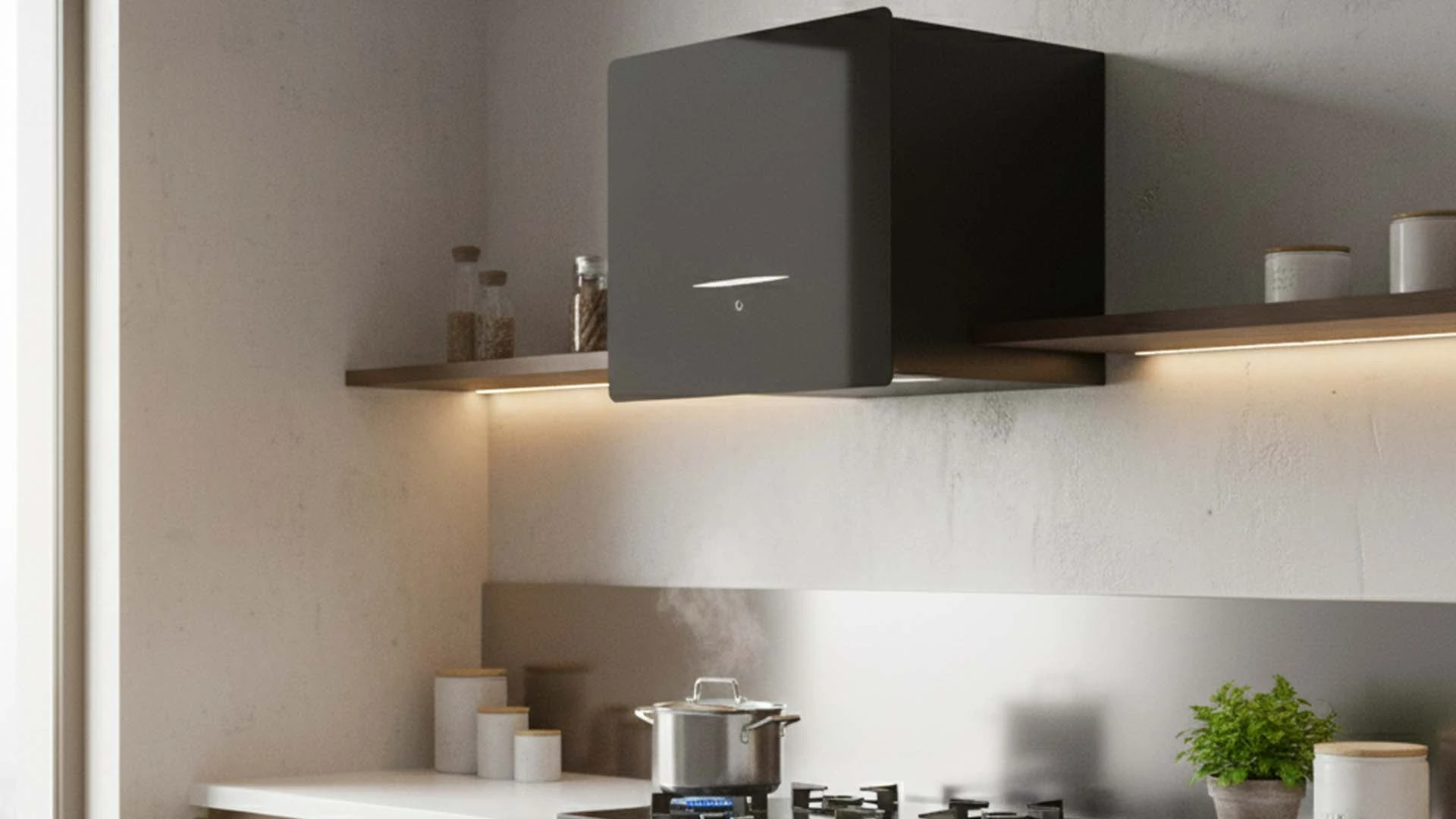
Small kitchens present unique challenges when it comes to ventilation. The right exhaust system can make or break your cooking experience, especially in compact spaces where every inch matters. Traditional range hoods often overwhelm tiny kitchens, while modern compact chimney for small kitchens offers sleek solutions that don't compromise on performance. Understanding the differences between these options helps you make an informed decision that enhances both functionality and aesthetics in your cooking space.
A compact chimney for small kitchens is a space-efficient ventilation system designed specifically for limited cooking areas. These units typically measure 60cm in width, making them perfect for smaller cooktops while delivering powerful suction capabilities. Unlike bulky traditional range hoods, compact chimneys feature streamlined designs that integrate seamlessly into modern kitchen layouts.
Compact chimneys feature advanced filtration technology in smaller packages. Most models include baffle filters or filterless technology that captures grease and odors effectively. Auto-clean functions reduce maintenance requirements, while gesture control adds convenience for busy cooks. These units often consume less energy than traditional models while maintaining superior performance.
Wall mounted chimney options attach directly to kitchen walls, freeing up cabinet space. Under cabinet chimney models fit beneath existing cabinetry for seamless integration. Slim chimney design variants offer ultra-thin profiles that barely protrude from walls. Each type serves different kitchen layouts and aesthetic preferences.
Most small kitchen chimney units come in 60cm and 75cm widths. The 60cm models suit 2-3 burner cooktops perfectly, while 75cm units accommodate 4-burner setups. Height requirements typically range from 65-75cm above the cooking surface for optimal performance. These dimensions ensure proper coverage without overwhelming compact spaces.
The choice between compact chimneys and traditional range hoods significantly impacts kitchen functionality and appearance. Each option offers distinct advantages depending on your specific needs and space constraints.
Traditional range hoods often require 90cm or more width, consuming valuable wall space. Compact range hood models need only 60-75cm, leaving room for additional storage or decorative elements. Installation depth also differs significantly, with compact units extending just 45-55cm from walls compared to 60-70cm for traditional models.
Modern kitchen ventilation technology enables compact chimneys to deliver 1000-1200 CFM suction power despite smaller sizes. Traditional range hoods may offer higher maximum CFM ratings, but compact units provide more focused airflow patterns. This targeted approach often proves more effective for small cooking areas where concentrated suction matters most.
Compact chimneys feature sleek, contemporary designs that complement modern kitchen aesthetics. Their minimal profiles create clean lines and uncluttered appearances. Traditional range hoods often dominate visual space with bulky forms that can make small kitchens feel cramped. The streamlined nature of compact units enhances rather than overwhelms kitchen design.
Compact chimneys typically feature easier maintenance with auto-clean functions and accessible filter systems. Traditional models may require more frequent manual cleaning due to larger surface areas. Energy consumption favors compact units, with most drawing 150-200 watts compared to 250-300 watts for traditional range hoods. Lower maintenance and energy costs make compact options more economical long-term.
Tiny kitchens demand creative ventilation solutions that maximize functionality without sacrificing precious space. Several compact chimney types excel in ultra-small cooking areas.
Wall mounted chimney systems offer the most versatile installation options for tiny kitchens. These units attach directly to walls without requiring cabinet modifications. Their adjustable height settings accommodate various ceiling heights while maintaining optimal performance. Most models include telescopic ducts that extend or compress based on installation requirements.
Under cabinet chimney models integrate seamlessly with existing cabinetry for invisible ventilation. These units hide completely within cabinet structures while providing powerful suction. Installation requires minimal modifications to existing cabinets, making them ideal for rental properties or budget-conscious renovations.
Mini chimney hood variants offer the smallest possible footprint for extremely tight spaces. These units typically measure 45-50cm in width while maintaining adequate suction for 2-burner cooktops. Despite their tiny size, many include advanced features like LED lighting and multiple speed settings.
Selecting the perfect efficient kitchen exhaust system requires careful consideration of multiple factors specific to your kitchen layout and cooking habits.
Measure your cooktop width and add 15-20cm on each side for optimal coverage. Ceiling height determines maximum chimney height, while cabinet placement affects installation options. Consider nearby windows, electrical outlets, and ducting routes during planning. Proper measurements prevent installation complications and ensure adequate performance.
Small kitchens typically require 800-1200 CFM suction power for effective ventilation. Indian cooking styles with heavy spices and oil usage benefit from higher CFM ratings. Calculate kitchen volume (length × width × height) and multiply by 10-12 for minimum CFM requirements. Higher suction power ensures faster odor and smoke removal.
Ducted systems provide superior ventilation by exhausting air outside but require external ducting. Ductless models recirculate filtered air within the kitchen, making installation easier but potentially less effective for heavy cooking. Consider building restrictions and installation complexity when choosing between options.
Proper installation ensures optimal performance and safety for your chimney for tiny kitchens. Following systematic installation procedures prevents common issues and maximizes efficiency.
Assess wall strength and electrical requirements before beginning installation. Mark mounting points using provided templates, ensuring level placement. Check for hidden wiring or plumbing that might interfere with mounting screws. Plan ducting routes for external venting if applicable.
Secure mounting brackets to wall studs using appropriate fasteners. Connect electrical wiring according to manufacturer specifications and local codes. Install ducting components if using external venting. Mount the chimney unit to brackets and test all functions before final positioning.
A 60cm chimney can work for a 4-burner stove if the burners are closely spaced. However, a 75cm unit provides better coverage and more effective smoke capture for standard 4-burner layouts.
Exhaust fans and range hoods serve as alternatives, but compact chimneys offer superior performance. For extremely small spaces, portable air purifiers or window fans provide basic ventilation.
Wall-mounted compact chimneys work best for most small kitchens. They offer excellent performance, easy installation, and don't require cabinet modifications like under-cabinet models.
Ductless chimneys can handle Indian cooking with proper filter maintenance. However, ducted systems perform better with heavy spice usage and oil-based cooking methods common in Indian cuisine.
Small kitchens need 800-1200 CFM suction power. Calculate your kitchen volume and multiply by 10-12 for minimum requirements. Indian cooking styles may require higher CFM ratings.
Basic wall-mounted installations are possible for DIY enthusiasts with proper tools. However, electrical connections and ducting work should be handled by qualified professionals for safety and warranty compliance.
Compact chimneys represent the ideal solution for small kitchen ventilation needs. Their space-efficient designs, powerful performance, and modern aesthetics make them superior to traditional range hoods in limited spaces. When choosing a compact chimney for small kitchens, consider your cooking habits, kitchen dimensions, and installation requirements. Proper selection and installation ensure years of effective ventilation that enhances your cooking experience while maintaining a clean, comfortable kitchen environment.
