

Choosing Chimney Size: 60 cm vs 90 cm Guide
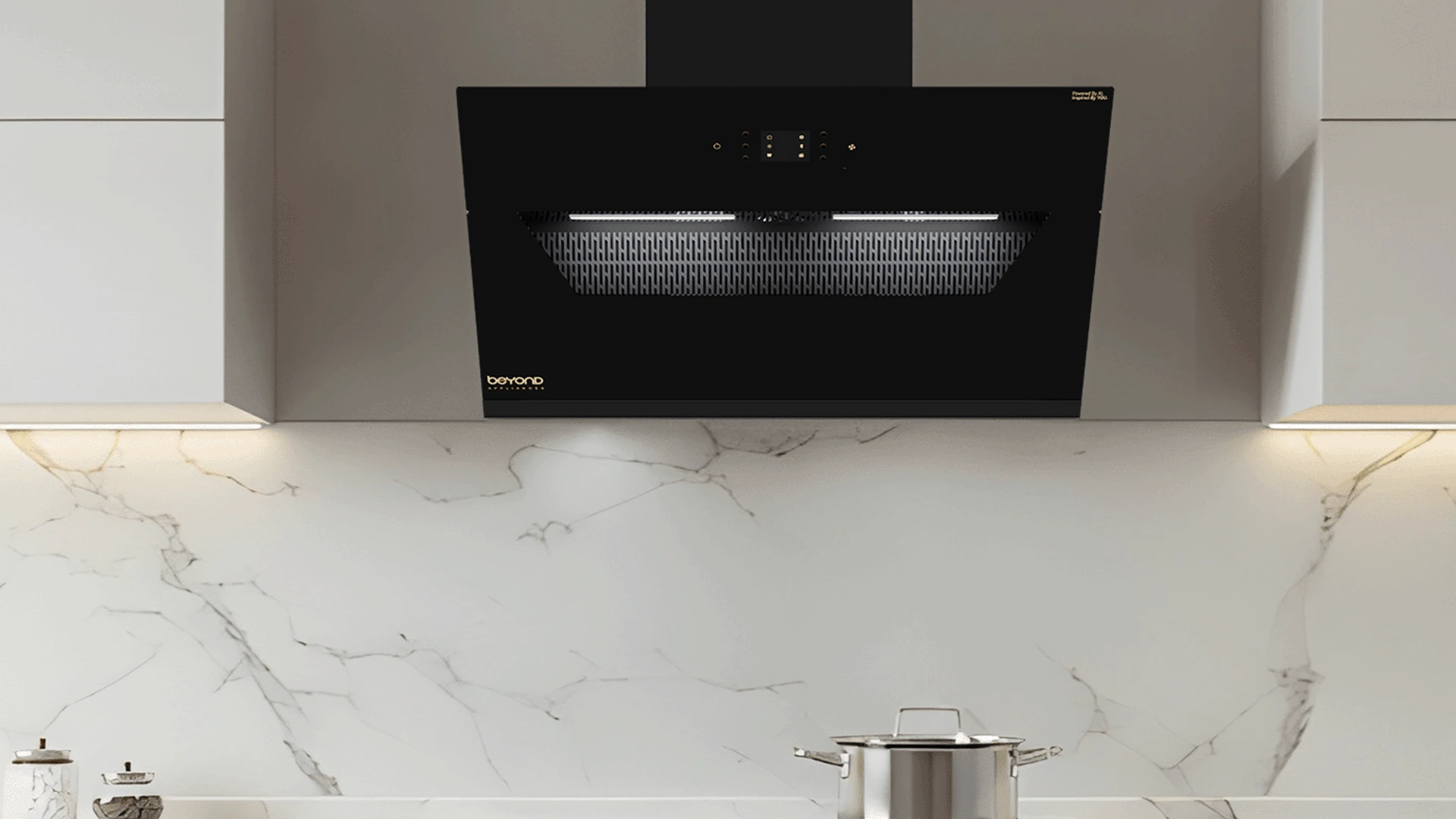
Selecting the right chimney size for your kitchen can feel overwhelming, especially when deciding between a 60cm chimney and a 90cm chimney. Your choice impacts everything from cooking comfort to kitchen aesthetics. The key lies in understanding your kitchen dimensions, cooking habits, and burner configuration. This comprehensive guide breaks down the essential factors to help you make an informed decision that perfectly matches your needs and budget.
The fundamental difference between these two chimney size guide options lies in their coverage area and capacity. A 60cm chimney provides approximately 2 feet of width coverage, making it ideal for compact cooking setups. Meanwhile, a 90cm chimney spans 35.4 inches, offering broader coverage for larger cooking surfaces.
A 60cm chimney measures exactly 23.6 inches in width, while maintaining standard depth and height specifications. The 90cm chimney extends to 35.4 inches, providing 50% more coverage area. Both sizes typically require 24-30 inches of clearance above the cooktop for optimal performance.
The coverage efficiency varies significantly between sizes. A 60cm unit effectively handles smoke and odors from a 2-burner setup, while a 90cm chimney can manage up to 4-burner configurations with ease. This difference becomes crucial when considering your cooking style and kitchen layout.
Your kitchen chimney size should complement your available space without overwhelming the design. Small kitchens under 150 square feet benefit from the streamlined profile of a 60cm unit. These compact chimney options maintain functionality while preserving visual space. Larger kitchens with open layouts often require the enhanced capacity of a 90cm chimney to handle increased cooking volume and airflow demands.
Measure your cooktop width first, then assess the surrounding cabinet space. Your chimney should ideally match or slightly exceed your cooktop width for optimal smoke capture. Consider ceiling height and cabinet clearances during measurement.
For space-constrained kitchens, a small kitchen chimney in 60cm size offers excellent functionality. Modern designs include telescopic options and slim profiles that maximize efficiency while minimizing visual impact.
Your burner setup directly influences the ideal range hood size selection. Two-burner stoves pair perfectly with 60cm chimneys, providing adequate coverage without excess capacity. Three-burner configurations represent the decision crossover point where either size could work, depending on usage patterns. Four or more burners typically require 90cm chimneys for complete coverage and efficient smoke removal.
Two burners work optimally with 60cm chimneys, three burners function well with either size based on layout, and four-plus burners need 90cm coverage. Consider burner spacing and heat output when making your selection.
Proper coverage ensures no smoke escapes around the edges. A 60cm chimney covers standard 2-3 burner setups completely, while 90cm units handle larger configurations with room for expansion.
Suction capacity varies between sizes, though both can achieve excellent performance with proper motor selection. Modern chimney design incorporates advanced motor technology that optimizes airflow regardless of size. The key difference lies in coverage area rather than raw suction power. Energy consumption remains comparable between sizes when motors are properly matched to kitchen requirements.
Both 60cm and 90cm chimneys can accommodate motors ranging from 1000-1500 cubic meters per hour. The size difference affects coverage distribution rather than total suction capacity.
In practical use, a properly sized 60cm chimney eliminates smoke as effectively as a 90cm unit in appropriate kitchen setups. Performance depends more on motor quality and installation height than chimney width.
Installation requirements differ slightly between sizes, primarily in cabinet modifications and support structures. Compact modern design options exist for both sizes, allowing seamless integration into contemporary kitchens. Consider existing cabinet layouts and potential modifications needed for each size option.
Choose finishes that complement your kitchen aesthetic. Stainless steel offers versatility, while black glass provides a sleek, modern appearance. Both sizes accommodate various design preferences.
Wall-mounted and built-in options maximize space efficiency. Consider telescopic models for kitchens with limited overhead clearance or unique layout challenges.
Initial purchase prices typically favor 60cm models, with savings ranging from INR 2,000 to INR 8,000 depending on features and brand. However, long-term value depends on performance adequacy rather than initial cost. A properly sized 60cm chimney offers better value than an oversized 90cm unit in smaller kitchens.
Entry-level 60cm chimneys start around INR 8,000, while 90cm models begin near INR 12,000. Premium features add INR 5,000-15,000 to either size category.
Invest in the size that matches your needs rather than choosing based solely on price. An appropriately sized chimney provides better long-term satisfaction and performance.
The primary difference lies in coverage width and capacity. A 60cm chimney covers smaller cooking areas effectively, while a 90cm chimney handles larger cooktops and higher cooking volumes.
Choose based on your cooktop size and cooking habits. Small to medium kitchens with 2-3 burners work well with 60cm chimneys, while larger setups benefit from 90cm coverage.
Yes, a 60cm chimney adequately covers most 3-burner configurations, provided the burners are arranged in a compact layout rather than spread across a wide cooktop.
Install your chimney 24-30 inches above the cooktop surface for optimal performance, regardless of width. This height ensures effective smoke capture while maintaining safety clearances.
Your ideal chimney buying guide decision depends on matching size to function rather than choosing the largest option available. A 60cm chimney excels in compact kitchens with moderate cooking needs, while 90cm units serve larger spaces and heavy cooking requirements. Consider your cooktop configuration, kitchen dimensions, and cooking habits when making this important decision. The best chimney size is the one that perfectly matches your specific needs while fitting your budget and design preferences.
