

Chimney Ventilation: Your Complete Design Guide
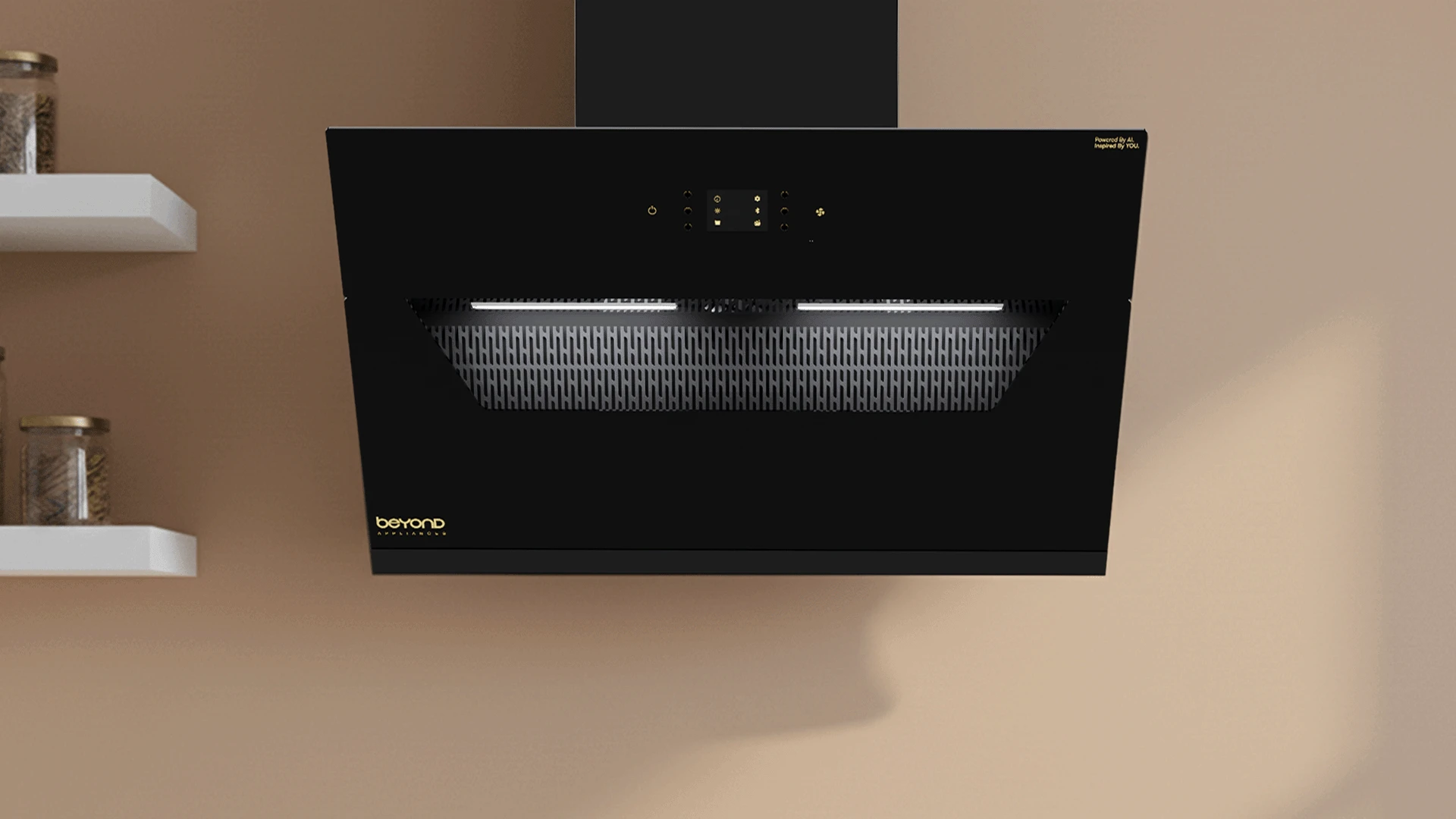
Proper chimney ventilation is the backbone of any safe and efficient home heating system. Whether you're planning a new fireplace installation or upgrading your existing setup, understanding the fundamentals of chimney design can save you thousands in repairs and ensure your family's safety. Modern chimney systems have evolved far beyond simple brick structures, incorporating advanced engineering principles that maximize efficiency while minimizing maintenance requirements. From compact chimney solutions for urban homes to sophisticated ventilation systems for larger properties, the right design approach makes all the difference in performance and longevity.
Chimney ventilation operates on the principle of natural draft, where hot gases rise through the flue due to temperature differences between indoor and outdoor air. This process creates a continuous flow that removes combustion byproducts safely from your home. The efficiency of this system depends on several critical factors including chimney height, cross-sectional area, and proper insulation. The science behind chimney draft involves understanding how air pressure differentials drive the ventilation process. Hot gases are less dense than cold air, creating buoyancy that pulls exhaust upward through the chimney. This natural phenomenon requires careful engineering to maintain consistent performance across varying weather conditions and seasonal temperature changes.
Natural draft systems rely entirely on temperature differences to create airflow. The greater the temperature differential between indoor combustion gases and outdoor air, the stronger the draft becomes. This is why chimneys often perform better during colder months when the temperature contrast is most pronounced.
Mechanical draft systems use fans or blowers to assist or replace natural draft forces. These systems offer more consistent performance but require electrical power and regular maintenance. They're particularly useful in situations where natural draft alone cannot provide adequate ventilation.
Successful chimney construction follows established engineering principles that ensure both safety and performance. The most fundamental of these is the 3-2-10 rule, which governs chimney height requirements for optimal draft and fire safety. This rule states that chimneys must extend at least 3 feet above the roof penetration point and 2 feet higher than any structure within 10 feet horizontally. The 7x rule applies specifically to multi-appliance venting systems where multiple heating units share a common chimney. This principle requires that the cross-sectional area of the common vent be at least seven times larger than the area of the largest appliance connector. Proper application of this rule prevents backdrafting and ensures each appliance receives adequate ventilation.
Optimal chimney performance requires careful balance between height and internal diameter. Taller chimneys generally create stronger draft, but excessive height can lead to overcooling of exhaust gases. The ideal height-to-diameter ratio typically falls between 10:1 and 15:1 for most residential applications.
Local building codes establish minimum requirements for chimney construction, including clearances from combustible materials, foundation specifications, and structural support requirements. These codes vary by region but generally follow national standards for fire safety and structural integrity.
Today's chimney systems offer diverse solutions tailored to specific heating needs and architectural requirements. Modern chimney design emphasizes both functionality and aesthetic appeal, incorporating materials and techniques that weren't available to previous generations. From sleek stainless steel installations to traditional masonry with contemporary touches, homeowners have more options than ever before. Compact chimney designs have become increasingly popular in urban environments where space constraints demand efficient use of every square foot. These systems utilize advanced materials and engineering to deliver full-size performance in significantly smaller footprints. Double-wall insulated pipes, for example, allow for reduced clearances while maintaining safety standards.
Masonry chimneys remain the gold standard for durability and heat retention, but prefabricated systems offer faster installation and lower initial costs. Modern masonry designs incorporate improved mortar formulations and better insulation techniques that enhance both performance and longevity.
Kitchen chimney systems require specialized design considerations due to grease-laden vapors and varying temperature conditions. Proper ductwork sizing and material selection are critical for preventing grease buildup and maintaining adequate airflow rates during peak cooking periods.
Determining adequate ventilation capacity requires careful analysis of fuel type, appliance output, and environmental factors. Efficient chimney systems must provide sufficient airflow to completely remove combustion byproducts while avoiding excessive draft that wastes energy. For wood-burning fireplaces, minimum airflow requirements typically exceed 40 liters per second during active burning. Cross-sectional area calculations form the foundation of proper chimney sizing. The internal flue area should generally equal 8-12% of the fireplace opening area for conventional designs. Throat-less fireplaces may require up to 50% of the opening area to achieve adequate performance.
Different fuel types produce varying amounts of combustion byproducts and operate at different temperatures. Gas appliances typically require smaller flue areas than wood-burning units due to cleaner combustion and higher exhaust temperatures. Oil-fired equipment falls somewhere between these extremes.
Professional draft testing uses specialized equipment to measure actual airflow rates and pressure differentials. These measurements help identify performance issues and verify that installations meet design specifications. Regular testing ensures continued safe operation throughout the system's lifespan.
Successful chimney construction begins with thorough planning and proper permitting. Local authorities typically require detailed drawings showing structural connections, clearances, and material specifications before issuing construction permits. Professional consultation during this phase can prevent costly mistakes and ensure code compliance. Foundation requirements vary significantly based on chimney size and construction materials. Masonry chimneys require substantial concrete footings that extend below the frost line, while lightweight prefabricated systems may need only minimal structural support. Proper foundation design prevents settling that could damage the chimney or compromise safety.
Stainless steel offers excellent corrosion resistance and lighter weight compared to traditional materials. High-grade stainless steel alloys can withstand the acidic conditions present in modern high-efficiency heating systems. Clay tile liners provide good thermal mass but may crack under rapid temperature changes.
Proper installation requires attention to numerous details including flashing installation, joint sealing, and insulation placement. Each connection point represents a potential failure location that must be carefully sealed and inspected. Professional installation typically includes comprehensive testing before final approval.
Poor draft performance manifests in several ways including smoke entering the room, difficulty starting fires, and incomplete combustion. These symptoms often indicate inadequate chimney height, oversized flue areas, or obstructions within the system. Fireplace ventilation problems can usually be traced to one of these fundamental issues. Backdrafting occurs when outdoor air pressure exceeds indoor pressure, forcing exhaust gases back into living spaces. This dangerous condition can introduce carbon monoxide and other toxic substances into the home. Common causes include inadequate makeup air, competing exhaust systems, and atmospheric pressure changes.
Chimney performance naturally varies with outdoor temperature and weather conditions. Summer months often present the greatest challenges due to reduced temperature differentials and higher atmospheric pressure. Understanding these variations helps homeowners adjust their expectations and operating procedures accordingly.
Regular maintenance prevents most performance problems and extends system lifespan. Annual inspections should include visual examination of all accessible components, cleaning of accumulated debris, and testing of safety systems. Professional cleaning may be required more frequently depending on usage patterns and fuel types.
The 3-2-10 rule requires chimneys to extend at least 3 feet above the roof penetration point and 2 feet higher than any structure within 10 feet horizontally. This ensures adequate draft and prevents fire hazards from nearby combustible materials.
Chimney ventilation requirements depend on appliance type and size. Wood-burning fireplaces typically need minimum airflow rates of 40+ liters per second, while gas appliances may require less due to cleaner combustion characteristics.
The 7x rule applies to common venting systems where multiple appliances share one chimney. The common vent's cross-sectional area must be at least seven times larger than the largest individual appliance connector to prevent backdrafting.
Chimney sizing depends on fireplace opening dimensions, fuel type, and installation height. Generally, the flue area should equal 8-12% of the fireplace opening area, with adjustments for specific conditions and local code requirements.
Natural draft relies on temperature differences to create airflow, while mechanical systems use fans or blowers. Natural draft is more energy-efficient but less consistent, while mechanical systems offer better control but require electrical power.
Annual inspections are recommended for most residential chimneys, with more frequent checks for heavily used systems. Professional cleaning and detailed inspections should occur at least once per year or after every cord of wood burned.
Proper chimney design and ventilation require careful attention to engineering principles, building codes, and safety requirements. Understanding fundamental concepts like the 3-2-10 rule and proper sizing calculations helps ensure optimal performance and long-term reliability. Modern chimney systems offer numerous advantages over traditional designs, including improved efficiency, reduced maintenance requirements, and enhanced safety features. Whether you're planning a new installation or troubleshooting existing problems, following established best practices and consulting with qualified professionals will help you achieve the best possible results for your investment.
