

Chimney Suction Power: Your Complete Guide to Draft
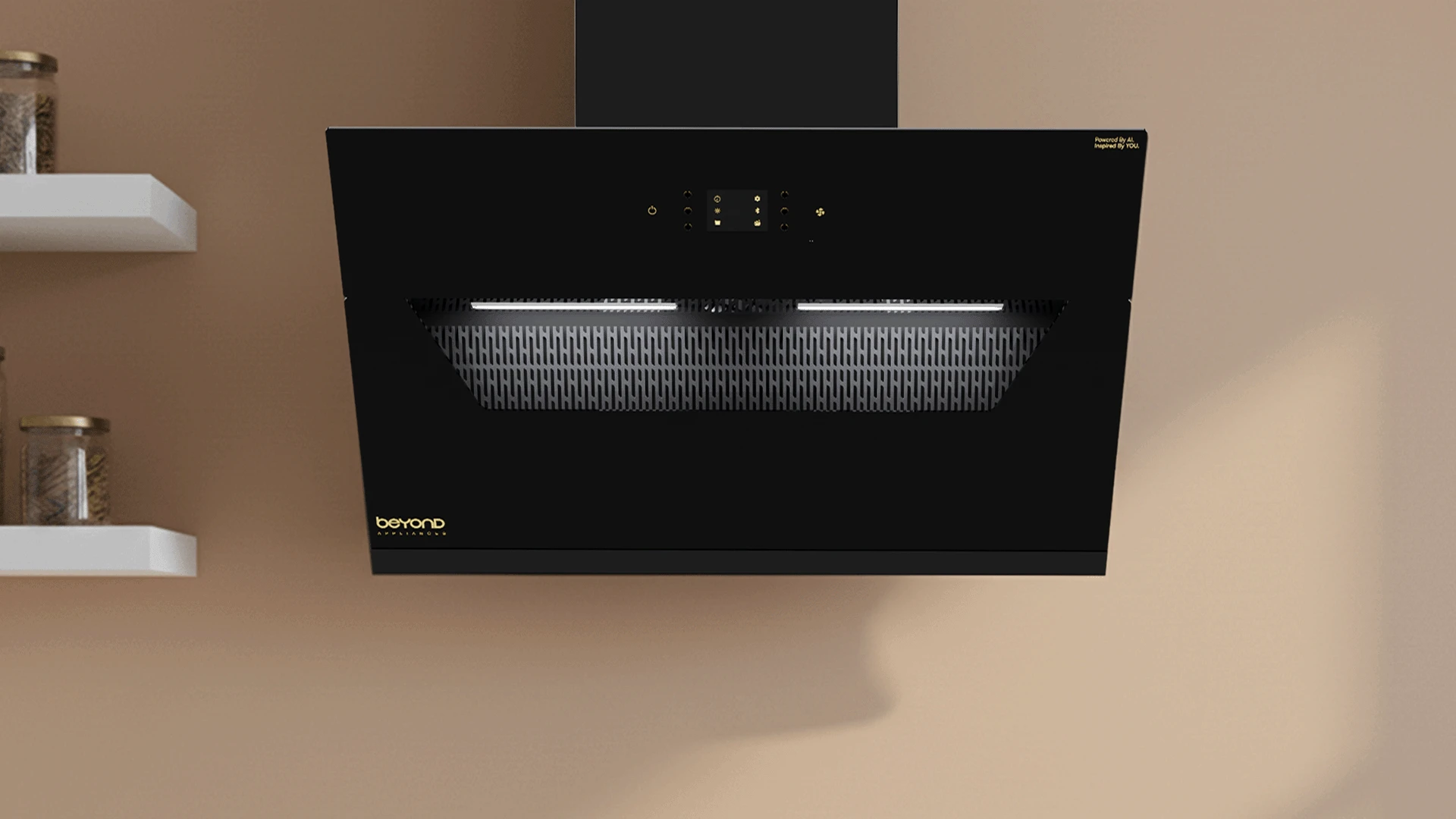
Understanding how your kitchen chimney works can transform your cooking experience. The secret lies in chimney suction power - the force that pulls smoke, grease, and odors away from your cooking area. Whether you're dealing with heavy Indian cooking or light meal preparation, knowing how chimney draft works helps you make better decisions for your home. This guide breaks down everything about chimney airflow, from basic ventilation principles to choosing the right suction capacity for your kitchen.
Chimney suction power refers to the ability of your chimney system to create negative pressure that draws air upward through the flue or ductwork. This chimney draft is measured in cubic meters per hour (m³/hr) and determines how effectively your system removes cooking byproducts from your kitchen. The science behind negative pressure chimney systems is straightforward. When air moves faster above your cooking surface than the surrounding air, it creates a vacuum effect. This vacuum pulls smoke, steam, and odors upward and away from your cooking area. The stronger the suction power, the more effective this process becomes. Chimney airflow directly impacts your home's air quality and safety. Poor suction allows grease particles to settle on surfaces, creating cleaning challenges and potential fire hazards. Adequate chimney performance prevents these issues while maintaining a comfortable cooking environment. The key difference between fireplace suction and kitchen chimney systems lies in their design and purpose. Fireplace chimneys rely primarily on natural draft created by hot gases rising, while kitchen chimneys often use electric motors to generate consistent suction regardless of temperature differences.
The stack effect forms the foundation of natural chimney draft. This phenomenon occurs when warm air inside your chimney rises due to its lower density compared to cooler outside air. The greater the temperature difference, the stronger the natural draft becomes. Ventilation principles show us that chimney height plays a crucial role in suction power. Taller chimneys create more draft because they provide a longer column of warm air to generate the stack effect. This is why traditional fireplaces often have tall chimneys extending well above the roofline. Atmospheric conditions significantly affect flue draft performance. High humidity, strong winds, and temperature inversions can all impact how well your chimney draws. Understanding these factors helps you anticipate when your chimney might not perform optimally. Chimney pressure differences between inside and outside air drive the entire ventilation process. Modern electric chimneys overcome natural limitations by using fans to create consistent pressure differences regardless of weather conditions.
Building codes often reference the 3-2-10 rule for optimal chimney design. This rule states that chimneys should extend at least 3 feet above the roof penetration point and 2 feet higher than any structure within 10 feet horizontally. Proper chimney design enhances suction power through correct sizing and positioning. The flue diameter must match the appliance requirements, while the chimney height should provide adequate draft for your specific cooking needs.
Calculating the right chimney suction power starts with measuring your kitchen volume. Multiply your kitchen's length, width, and height to get the total cubic meters. For effective ventilation, your chimney should exchange this air volume 10-12 times per hour during heavy cooking. A basic calculation formula works like this: Kitchen volume (m³) × 10-12 air changes = Required suction power (m³/hr). For example, a 20 m³ kitchen needs approximately 200-240 m³/hr suction capacity for adequate ventilation. CFM (Cubic Feet per Minute) measurements are common in international specifications, but Indian markets typically use m³/hr. To convert: 1 CFM = 1.7 m³/hr approximately. This conversion helps when comparing different chimney models or international specifications. Kitchen size and cooking style significantly impact required suction power. Heavy Indian cooking with multiple spices and oil-based preparations demands higher capacity than light cooking styles. Consider your typical cooking patterns when selecting suction power.
Small kitchens up to 15 m³ typically require 400-600 m³/hr suction capacity. This range handles basic cooking needs without overwhelming the space with excessive airflow. Medium kitchens between 15-25 m³ benefit from 700-1000 m³/hr specifications. This capacity manages moderate to heavy cooking while maintaining energy efficiency. Large kitchens exceeding 25 m³ and heavy Indian cooking scenarios need 1200-1500 m³/hr capacity. Professional-style cooking and multiple burner use require this higher performance level.
Electric chimneys generate artificial draft using motorized fans that create consistent suction regardless of external conditions. Unlike natural draft systems, electric chimneys maintain steady performance in all weather conditions. Ducted electric chimneys exhaust air outside your home, providing maximum odor and moisture removal. Ductless systems filter and recirculate air, offering installation flexibility but requiring regular filter maintenance for optimal performance. Motor specifications directly impact suction capacity and energy consumption. Higher wattage motors typically provide greater suction power but consume more electricity. Modern efficient motors balance performance with energy savings. Energy efficiency considerations include motor type, speed controls, and automatic shut-off features. Variable speed controls allow you to match suction power to cooking intensity, reducing unnecessary energy consumption. Maintenance requirements for optimal performance include regular filter cleaning, motor lubrication, and ductwork inspection. Proper maintenance ensures consistent suction power and extends equipment life.
1350 m³/hr suction power represents high-capacity performance suitable for large kitchens and heavy cooking styles. This level effectively handles multiple burners, high-heat cooking, and aromatic Indian cuisine preparation. Cost-benefit analysis shows that powerful electric chimneys require higher initial investment but provide superior air quality and reduced cleaning requirements. The long-term benefits often justify the additional cost. Noise levels typically increase with suction power, but modern designs incorporate sound dampening technologies. Quality chimneys maintain acceptable noise levels even at maximum capacity.
Common signs of inadequate chimney suction power include lingering cooking odors, visible smoke in the kitchen, and grease accumulation on surfaces. These symptoms indicate insufficient airflow for your cooking style and kitchen size. Blockages and obstructions affecting chimney airflow include grease buildup in filters, debris in ductwork, and damaged dampers. Regular inspection and cleaning prevent these issues from reducing performance. Weather-related draft problems occur during high winds, temperature inversions, and extreme humidity. Natural draft chimneys are more susceptible to these conditions than electric systems. Upgrading versus repairing existing systems depends on the age, condition, and capacity of your current chimney. Older systems may benefit from motor upgrades or ductwork improvements rather than complete replacement.
Simple modifications to improve natural draft include installing chimney caps to prevent downdrafts and adjusting dampers for optimal airflow. These changes can significantly enhance performance without major expense. Chimney cap and damper adjustments help control airflow direction and prevent weather-related performance issues. Proper adjustment maintains consistent draft in varying conditions. Insulation and liner considerations improve draft by maintaining temperature differences that drive the stack effect. Well-insulated chimneys perform more consistently than uninsulated systems.
Factors determining optimal suction capacity include kitchen size, cooking frequency, meal types, and personal preferences for air quality. Heavy cooking requires higher capacity than occasional light meal preparation. Kitchen layout affects airflow patterns and required suction power. Open kitchens need different capacity than enclosed spaces due to air circulation differences. Budget considerations balance initial cost with long-term performance and energy consumption. Higher capacity chimneys cost more initially but may provide better value through improved air quality and reduced maintenance. Future-proofing your chimney investment means selecting slightly higher capacity than current needs to accommodate changing cooking habits or kitchen modifications.
Heavy cooking styles common in Indian kitchens generate more smoke, steam, and aromatic compounds than typical Western cooking. This requires higher suction capacity and more frequent maintenance. Climate factors like high humidity and monsoon conditions affect chimney performance. Electric chimneys provide more consistent results than natural draft systems in challenging weather. Local building codes may specify minimum chimney requirements for safety and performance. Understanding these requirements ensures compliance and optimal operation.
Good suction power depends on your kitchen size and cooking style. For small kitchens under 15 m³, 400-600 m³/hr works well. Medium kitchens need 700-1000 m³/hr, while large kitchens or heavy Indian cooking requires 1200-1500 m³/hr. Calculate your needs by multiplying kitchen volume by 10-12 air changes per hour.
200W refers to motor power consumption, not suction capacity. A 200W motor typically generates 600-800 m³/hr suction, suitable for small to medium kitchens with moderate cooking. For heavy cooking or larger spaces, consider higher wattage motors that provide 1000+ m³/hr capacity.
1350 m³/hr suction power is excellent for large kitchens and heavy cooking styles. This capacity effectively handles multiple burners, high-heat cooking, and aromatic preparations. It's ideal for families who cook frequently or prepare complex Indian meals with multiple spices and oil-based dishes.
Measure your kitchen dimensions and multiply length × width × height to get volume in cubic meters. Multiply this volume by 10-12 for the required m³/hr capacity. Add 20-30% extra for heavy cooking styles. For example, a 20 m³ kitchen needs 240-288 m³/hr, rounded up to 300-350 m³/hr for safety margin.
Natural draft relies on temperature differences to create airflow through the stack effect. It's free to operate but depends on weather conditions. Electric chimney suction uses motorized fans for consistent performance regardless of external conditions, but consumes electricity and requires maintenance.
Chimney suction power determines how effectively your kitchen ventilation system removes smoke, odors, and grease from your cooking area. Understanding the principles behind chimney draft helps you select the right capacity for your specific needs. Calculate requirements based on kitchen volume, cooking style, and personal preferences for air quality. Regular maintenance ensures optimal performance and extends equipment life. Whether choosing natural draft or electric systems, proper suction power creates a cleaner, more comfortable cooking environment for your family.
