

Chimney Styles: Wall vs Island Kitchen Ventilation
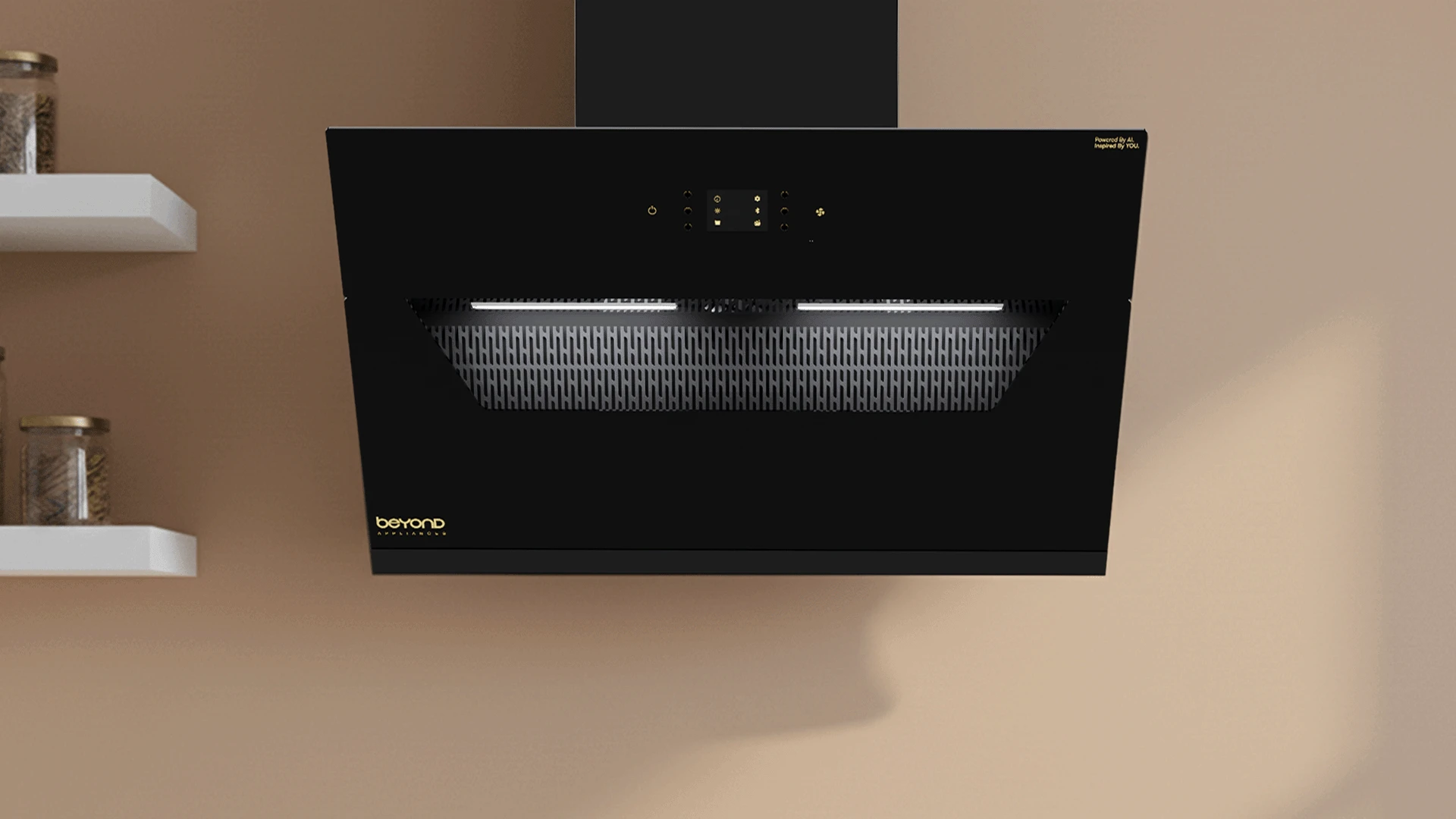
Modern kitchens demand smart ventilation solutions that balance functionality with style. The choice between wall-mounted and island kitchen chimneys affects everything from cooking efficiency to your kitchen's visual appeal. Understanding the differences between these chimney styles helps you make an informed decision that enhances your cooking experience while complementing your kitchen design. Whether you're renovating an existing space or planning a new kitchen, selecting the right ventilation hood requires careful consideration of your layout, cooking habits, and aesthetic preferences.
Kitchen chimney selection involves more than just picking an attractive design. Each style serves specific purposes and works better in certain kitchen configurations. Wall-mounted and island chimneys represent two distinct approaches to kitchen ventilation, each with unique advantages and installation requirements. Wall-mounted chimneys attach directly to your kitchen wall above the cooktop. These traditional designs work well in most kitchen layouts, especially compact spaces where every inch matters. They integrate seamlessly with existing cabinetry and offer reliable performance for everyday cooking needs.
Wall-mounted chimneys suit galley kitchens, L-shaped layouts, and compact modern designs. They require minimal ceiling clearance and work effectively in apartments or smaller homes. The proximity to the cooking surface ensures efficient smoke and grease capture.
Island chimneys suspend from the ceiling above kitchen islands or peninsulas. These statement pieces work best in open-concept kitchens with adequate ceiling height. They provide 360-degree ventilation coverage and serve as focal points in contemporary kitchen designs.
Wall-mounted units require sturdy wall support and clear ducting paths. Island chimneys need robust ceiling mounting systems and often require more complex electrical work. Installation costs typically run higher for island configurations due to structural requirements.
Wall-mounted chimneys offer practical advantages that make them popular choices for Indian kitchens. These compact kitchen chimney solutions maximize space efficiency while delivering reliable ventilation performance. Modern kitchen chimney designs include sleek profiles that complement contemporary aesthetics without overwhelming smaller spaces. These units typically feature suction capacities ranging from 600 to 1200 m³/hr, suitable for most home cooking requirements. The close proximity to cooking surfaces enhances grease and smoke capture efficiency. Many models include auto-clean functions that reduce maintenance demands.
Wall-mounted chimneys work well in kitchens with limited ceiling height. They integrate with overhead cabinets and maintain clean sight lines. The compact footprint leaves more room for storage and workspace organization.
These chimneys excel at capturing cooking vapors due to their proximity to heat sources. Baffle filters handle grease-heavy Indian cooking effectively. Ductless chimney options provide flexibility in apartments where external ducting isn't feasible.
Wall mounting requires basic electrical connections and wall anchoring. Most installations complete within a few hours. The straightforward setup reduces installation costs compared to ceiling-mounted alternatives.
Island chimneys transform kitchen ventilation into architectural features. These ceiling-suspended units work best in open kitchens where they can showcase their design while providing comprehensive ventilation coverage. The elevated position allows for creative lighting integration and dramatic visual impact. These range hood designs typically require higher suction capacities to compensate for the increased distance from cooking surfaces. Models often start at 800 m³/hr and can exceed 1500 m³/hr for large kitchen islands. The open installation allows heat and vapors to disperse before reaching the chimney intake.
Island chimneys serve as kitchen centerpieces that combine form and function. They provide ventilation from all angles around the cooking surface. The suspended design creates visual interest and can incorporate decorative elements or integrated lighting.
Ceiling mounting demands robust structural support to handle the unit's weight and operational vibrations. Electrical connections often require professional installation due to ceiling access requirements. Ducting may need creative routing to reach external vents.
Island chimneys need adequate clearance on all sides for safe operation. Minimum ceiling heights of 8-9 feet work best. The kitchen island should provide sufficient workspace around the cooking area to accommodate the chimney's footprint.
Selecting between wall-mounted and island chimneys requires evaluating multiple factors that affect both performance and satisfaction. Your kitchen layout, cooking patterns, and design preferences all influence the optimal choice. Consider how each option aligns with your specific needs and constraints. Kitchen size plays a crucial role in chimney selection. Compact spaces often favor wall-mounted units, while larger kitchens can accommodate island installations. Cooking frequency and intensity also matter – heavy cooking demands may require the higher capacities typically found in island models.
Galley and L-shaped kitchens typically work better with wall-mounted chimneys. Open-concept designs can showcase island units effectively. Consider traffic flow patterns and how the chimney placement affects movement through the kitchen.
Indian cooking with its high heat, oil usage, and aromatic spices benefits from efficient ventilation. Wall-mounted units provide close capture for intense cooking. Island chimneys offer broader coverage for multiple cooking zones.
Wall-mounted chimneys generally cost less initially and have lower installation expenses. Island units require higher upfront investment but can add significant value to modern kitchen designs. Factor in long-term maintenance costs when making your decision.
Performance differences between wall-mounted and island chimneys affect daily cooking experiences. Wall-mounted units typically capture cooking vapors more efficiently due to their proximity to heat sources. Island chimneys compensate with higher suction capacities and broader coverage areas. Noise levels vary between installation types. Wall-mounted units may transmit more vibration to surrounding cabinets. Island chimneys, suspended from the ceiling, often operate more quietly. Both styles benefit from quality motor construction and proper installation techniques.
Wall-mounted chimneys achieve effective capture with 600-900 m³/hr capacities for most home kitchens. Island units typically require 800-1200 m³/hr to maintain similar effectiveness. The increased distance from cooking surfaces demands higher airflow rates.
Wall-mounted units offer easier access for filter cleaning and maintenance. Island chimneys may require step stools or ladders for routine care. Auto-clean features become more valuable in ceiling-mounted installations where manual cleaning proves challenging.
Both styles offer similar energy efficiency when properly sized. Ductless chimney options consume slightly more power due to recirculation requirements. Smart controls and variable speed settings help optimize energy usage regardless of installation type.
Consider your kitchen layout, ceiling height, and cooking habits. Wall-mounted chimneys work well in compact spaces and traditional layouts. Island chimneys suit open kitchens with adequate ceiling clearance. Evaluate installation costs, maintenance accessibility, and design preferences to make the best choice for your specific situation.
Both styles can handle Indian cooking effectively when properly sized. Wall-mounted chimneys with 600+ m³/hr capacity and baffle filters work well for most homes. Island chimneys need higher capacities (800+ m³/hr) but provide broader coverage. Choose based on your kitchen layout rather than cooking style alone.
Wall-mounted chimney installation typically costs INR 2,000-5,000 including basic electrical work. Island chimney installation ranges from INR 5,000-10,000 due to ceiling mounting complexity and potential structural modifications. Professional installation ensures safety and warranty compliance for both styles.
Island chimneys require adequate ceiling height (minimum 8 feet), proper structural support, and sufficient space around the cooking area. Your kitchen needs an island or peninsula configuration with clearance on multiple sides. Electrical access and ducting routes also affect feasibility.
Choosing kitchen chimney style depends on balancing functionality, aesthetics, and practical constraints. Wall-mounted chimneys offer reliable performance, easier installation, and lower costs for most kitchen configurations. Island chimneys provide design impact and comprehensive coverage in larger, open kitchens. Consider your specific kitchen layout, cooking patterns, and budget when making this important decision. Professional consultation can help ensure optimal performance and satisfaction with your ventilation hood choice.
