

Built-in vs Tabletop Hob: Ultimate Kitchen Guide
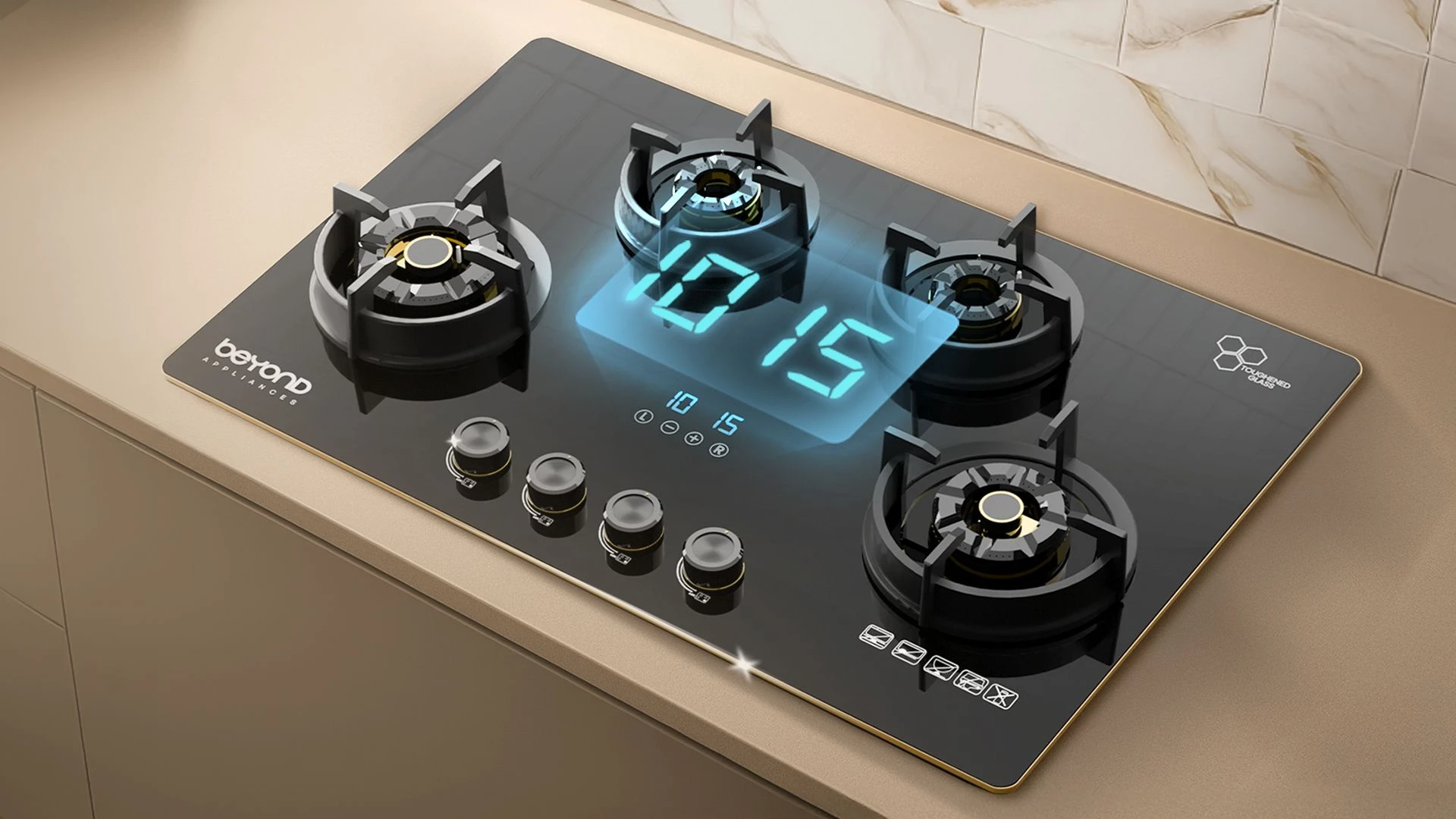
Choosing the right cooking solution for your kitchen can transform your culinary experience. The debate between built-in hob vs tabletop hob continues to puzzle homeowners planning their dream kitchens. Both options offer distinct advantages, from seamless integration to flexible portability. Understanding these differences helps you make an informed decision that aligns with your cooking habits, kitchen design, and budget. Whether you're renovating a modular kitchen or setting up a rental space, the right hob choice impacts daily convenience and long-term satisfaction.
The primary distinction between these cooking solutions lies in their installation method and kitchen integration approach. Built-in hobs require permanent installation into your countertop, creating a seamless cooking surface that becomes part of your kitchen's architecture. Tabletop hobs, also known as portable hobs or countertop hobs, sit independently on any flat surface without requiring structural modifications.
Built-in hobs integrate directly into your kitchen countertop through precise cutouts. This installation creates a flush, professional appearance that enhances your kitchen's modern aesthetic. The permanent fixture design means these units cannot be easily relocated once installed. Professional installation ensures proper gas connections, electrical wiring, and safety compliance. The seamless integration eliminates gaps where food particles or liquids might accumulate, contributing to better kitchen hygiene.
Tabletop hobs offer complete flexibility in placement and usage. These freestanding units require no permanent installation, making them ideal for rental properties or temporary cooking arrangements. The plug-and-play functionality means you can start cooking immediately after purchase. Storage becomes effortless when not in use, and relocation to different areas remains simple. This portability makes them excellent backup cooking solutions during kitchen renovations.
Installation complexity varies dramatically between these hob types, affecting both initial costs and long-term flexibility. Understanding these requirements helps you plan your kitchen project timeline and budget allocation effectively.
Professional installation becomes mandatory for built-in hobs due to safety regulations and technical complexity. The process involves precise countertop cutting to accommodate the hob's dimensions. Gas hob installations require certified technicians to ensure proper LPG or PNG connections. Electrical connections for induction hob models demand qualified electricians to handle high-power requirements safely. The installation timeline typically spans several hours, requiring kitchen downtime during the process.
Tabletop hobs eliminate installation complexity entirely through their standalone design. Simply unpack, place on a stable surface, and connect to your gas cylinder or electrical outlet. No countertop modifications or professional services are required. This simplicity makes them perfect for immediate cooking needs without waiting for installation appointments. The setup process takes minutes rather than hours, allowing instant kitchen functionality.
Performance characteristics vary significantly between built-in and tabletop configurations, especially when comparing gas hob and induction hob technologies. These differences impact cooking efficiency, energy consumption, and overall user experience.
Gas hobs deliver consistent performance regardless of their built-in or tabletop configuration. Heat distribution remains uniform across both designs, though built-in models often feature more robust burner systems. Cooking speed depends primarily on burner capacity rather than installation type. Built-in gas hobs typically offer higher BTU ratings, enabling faster cooking for large families. Temperature control precision remains excellent in both configurations, supporting traditional Indian cooking techniques that require instant heat adjustments.
Induction hobs excel in energy efficiency, converting up to 90% of electrical energy into heat compared to 40-50% for gas alternatives. Precise temperature control allows exact heat management for delicate cooking processes. Safety features include automatic shut-off when cookware is removed and child lock mechanisms. Built-in induction hobs often provide more cooking zones and higher power ratings than their tabletop counterparts. The smooth glass surface facilitates easy cleaning and maintains a modern kitchen aesthetic.
Modern hob design plays a crucial role in kitchen aesthetics and functionality. The choice between built-in and tabletop options significantly impacts your kitchen's visual appeal and space utilization.
Built-in hobs create seamless countertop integration that enhances your kitchen's premium appearance. The flush installation eliminates visual breaks in the countertop surface, contributing to a clean, uncluttered look. Material options include tempered glass, stainless steel, and ceramic surfaces that complement various kitchen themes. The permanent installation allows for coordinated design with other built-in appliances like chimneys and ovens. This integration significantly increases your kitchen's perceived value and modern appeal.
Tabletop hobs offer excellent space-saving solutions for compact kitchens where every inch matters. Their portable nature allows storage in cabinets when not in use, freeing up valuable counter space. Multiple compact hob units can be deployed for large cooking sessions and stored away afterward. This flexibility proves invaluable in studio apartments or small homes where kitchen space is limited. The ability to relocate these units enables flexible kitchen layouts based on cooking requirements.
Practical aspects of daily use significantly influence long-term satisfaction with your hob choice. Maintenance requirements, safety features, and durability factors all impact the overall ownership experience.
Built-in hobs present unique cleaning challenges due to their integrated design. Spills can seep into the junction between the hob and countertop if not properly sealed. However, the flush surface eliminates crevices where food particles typically accumulate. Tabletop hobs offer easier access for thorough cleaning since they can be lifted and moved. The removable nature allows cleaning of both the hob and the surface beneath it. Regular maintenance becomes simpler with tabletop models due to their accessibility.
Modern hobs incorporate various safety mechanisms regardless of their installation type. Built-in models often feature more sophisticated safety systems due to their permanent installation and higher power ratings. Child lock features prevent accidental activation, while flame failure devices automatically shut off gas supply if flames are extinguished. Heat indicator systems warn users about hot surfaces long after cooking ends. Tabletop hobs include tip-over protection and automatic shut-off features for enhanced safety during portable use.
Financial implications extend beyond initial purchase prices to include installation costs, operating expenses, and long-term value considerations. Understanding these factors helps optimize your kitchen investment.
Built-in hobs typically command higher initial prices due to their sophisticated design and installation requirements. Professional installation adds INR 2,000 to INR 5,000 to the total cost depending on complexity. Tabletop hobs offer more budget-friendly entry points, with quality models starting from INR 3,000 for basic gas units. Premium induction tabletop models range from INR 8,000 to INR 15,000, while built-in equivalents cost INR 15,000 to INR 40,000 or more. The price difference reflects the permanent installation value and enhanced features of built-in models.
Induction hobs deliver superior energy efficiency regardless of installation type, reducing monthly electricity bills by 30-50% compared to traditional cooking methods. Gas hobs maintain consistent operating costs, though built-in models often feature more efficient burner designs. Maintenance costs remain lower for tabletop units due to easier access and simpler repair procedures. Replacement costs favor tabletop models since they don't require professional removal or installation services.
Choosing between built-in hob vs tabletop hob requires careful consideration of your specific needs, kitchen design, and usage patterns. This comprehensive evaluation ensures optimal satisfaction with your investment.
Modular kitchens benefit significantly from built-in hob integration, creating cohesive design themes that enhance property value. Traditional kitchens can accommodate either option, though tabletop models offer greater flexibility for future changes. Rental properties favor tabletop solutions since they don't require landlord approval for installation. Family size influences burner requirements, with larger families benefiting from built-in models' typically higher capacity and multiple cooking zones.
Prioritize safety certifications from recognized testing agencies when selecting any hob type. Warranty coverage should extend at least two years for built-in models and one year for tabletop units. Auto-ignition features eliminate the need for external lighters, enhancing convenience and safety. Heat indicators and child locks provide essential safety features for families with young children. Energy efficiency ratings help predict long-term operating costs and environmental impact.
Built-in hobs require expensive professional installation and cannot be easily relocated. Repairs often cost more due to accessibility challenges, and replacement involves countertop modifications. The permanent installation makes them unsuitable for rental properties without landlord approval.
High-quality tabletop hobs deliver comparable cooking performance to built-in models. While they may have fewer burners or lower maximum heat output, they excel in energy efficiency and convenience for most household cooking needs.
Both types accommodate Indian cooking well, though gas hobs provide the instant heat control preferred for traditional techniques. Built-in models often offer higher heat output suitable for large-scale cooking, while tabletop units provide adequate performance for regular household needs.
Tabletop hobs require no installation costs, while built-in models add INR 2,000 to INR 5,000 for professional installation. This includes countertop cutting, gas connections, and safety compliance verification.
Look for flame failure devices in gas hobs, child lock mechanisms, auto shut-off features, and heat indicators. Induction hobs should include cookware detection and overheat protection systems.
The choice between built-in hob vs tabletop hob ultimately depends on your kitchen design goals, budget constraints, and lifestyle requirements. Built-in hobs excel in permanent installations where aesthetics and integration matter most. They offer superior capacity and sophisticated features but require higher initial investment and professional installation. Tabletop hobs provide unmatched flexibility, easier maintenance, and budget-friendly options perfect for renters or those seeking cooking versatility. Consider your long-term kitchen plans, cooking habits, and space constraints when making this important decision. Both options can deliver excellent cooking performance when selected thoughtfully to match your specific needs.
