

Built-in Hob vs Gas Stove: Ultimate Kitchen Showdown
Choosing the right cooking appliance for your kitchen can transform your entire culinary experience. The debate between built-in hob vs gas stove has become increasingly relevant as modern homeowners seek the perfect balance of functionality, aesthetics, and efficiency. Both options offer distinct advantages, but understanding their differences helps you make an informed decision that aligns with your cooking style, kitchen design, and budget. Whether you're renovating your existing kitchen or planning a new one, this comprehensive comparison will guide you through every aspect of these popular kitchen appliances.
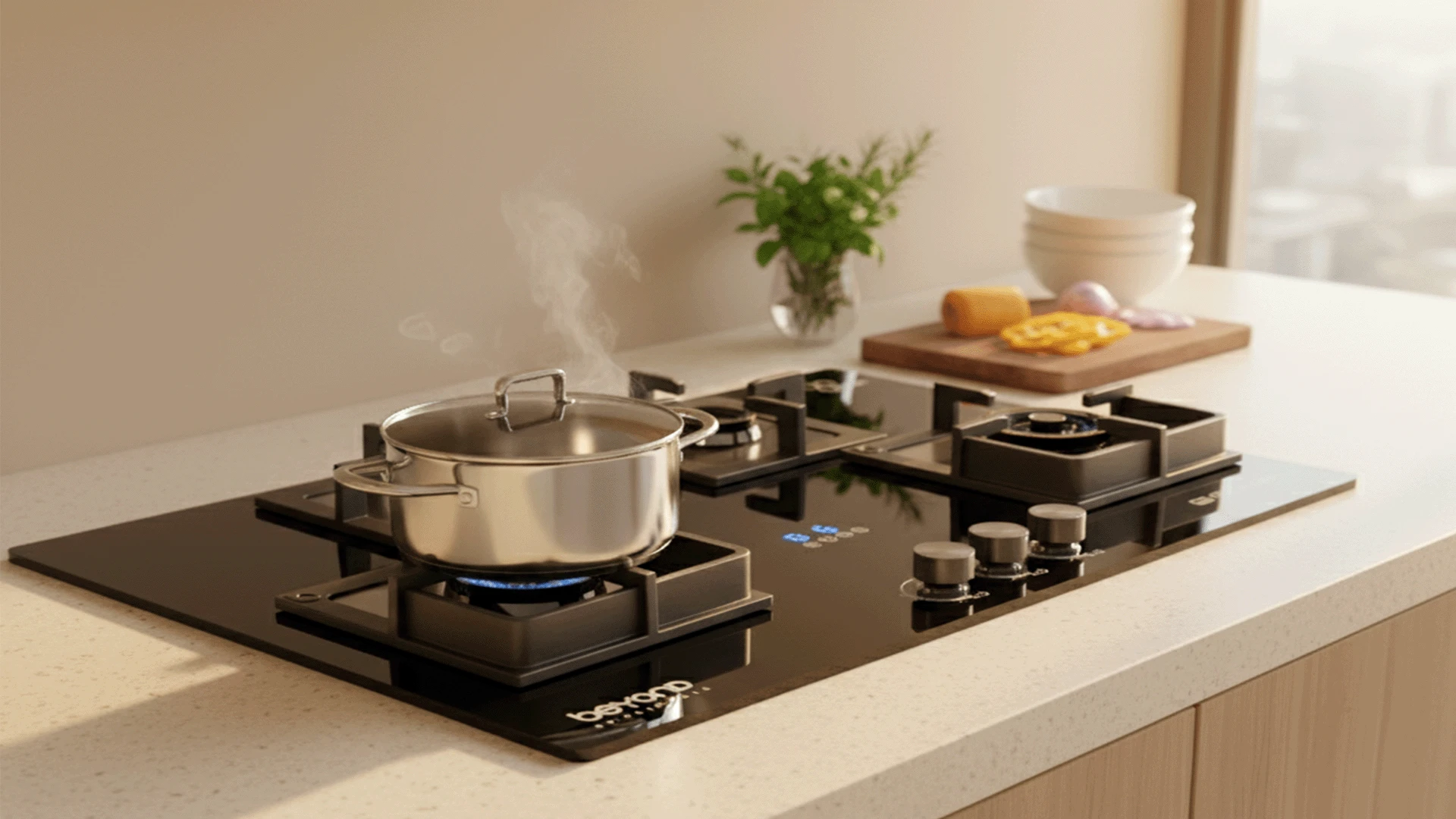
A built-in hob is a sleek cooking surface that integrates seamlessly into your kitchen countertop, creating a flush, modern appearance. These units can be electric, induction, or gas-powered, with the cooking surface sitting level with your counter. The gas stove, on the other hand, is a traditional standalone appliance that sits on top of your counter or floor, featuring visible burner grates and a more conventional design.
The fundamental difference lies in their installation approach and visual integration. Built-in hobs require precise cutouts in your countertop and often need professional installation, while gas stoves simply connect to your gas line and electrical outlet. This distinction affects everything from kitchen workflow to maintenance requirements.
Built-in hobs offer superior space utilization by eliminating the raised edges and bulky frame of traditional stoves. This creates more usable counter space around the cooking area. Gas stoves maintain their classic appeal with easily replaceable parts and straightforward repairs.
The hob vs stove installation process varies significantly. Built-in units need precise measurements and professional fitting, while gas stoves offer plug-and-play convenience for most homeowners.
When comparing cooking performance, both appliances excel in different areas. Gas stoves provide instant heat control with visible flame adjustment, allowing precise temperature management that professional chefs prefer. The open flame design offers excellent heat distribution for wok cooking and high-temperature searing.
Built-in hobs, particularly induction cooktop models, deliver superior energy efficiency by directly heating cookware rather than the surrounding air. This results in faster cooking times and reduced energy consumption. Electric built-in hobs maintain consistent temperatures ideal for delicate cooking techniques like melting chocolate or simmering sauces.
Induction built-in hobs achieve up to 90% energy efficiency compared to 40-50% for gas stoves. This translates to lower utility bills and reduced environmental impact over time.
Gas stoves offer immediate heat adjustment, while electric built-in hobs may have slight delays in temperature changes. However, modern induction models provide rapid response times that rival gas performance.
The aesthetic impact of your cooktop comparison choice significantly influences your kitchen's overall design. Built-in hobs create clean, uninterrupted counter lines that enhance modern kitchen design principles. Their flush installation eliminates the visual bulk of traditional appliances, making kitchens appear larger and more sophisticated.
For compact kitchen layouts, built-in hobs maximize every inch of available space. The seamless integration allows for easier cleaning around the cooking area and creates a more streamlined workflow. Gas stoves, while requiring more visual space, offer the advantage of portability and easier replacement when needed.
Built-in installations provide additional prep space around the cooking area, crucial for smaller kitchens where every square inch matters.
Modern built-in hobs come in various finishes including stainless steel, black glass, and white ceramic, allowing perfect coordination with your kitchen's color scheme and style preferences.
The total cost of ownership extends beyond the initial purchase price. Built-in hobs typically require professional installation, adding INR 3,000 to INR 8,000 to your project cost. However, their integrated design often increases home value and provides long-term aesthetic benefits.
Gas stoves offer lower upfront installation costs and easier DIY setup for handy homeowners. Maintenance costs vary significantly between the two options, with gas stoves having more accessible, replaceable parts, while built-in hobs may require specialized service for repairs.
Built-in hobs need precise countertop cutting and electrical connections, making professional installation essential for warranty protection and safety compliance.
Gas stoves allow easy cleaning of removable grates and burner caps, while built-in hobs require careful cleaning of the integrated surface to maintain their seamless appearance.
Safety considerations play a crucial role in the gas vs electric cooktop decision. Built-in induction cooktop models offer superior safety with cool-touch surfaces that only heat compatible cookware. Child safety locks and automatic shut-off features provide additional protection for families.
Gas stoves present open flame risks but offer the advantage of continued operation during power outages. Modern gas models include safety features like automatic ignition and flame failure protection that cuts gas supply if flames are extinguished.
Induction hobs eliminate burn risks from hot surfaces, while gas stoves require careful supervision around open flames and hot grates.
Gas stoves function during power outages with manual lighting, providing cooking capability when electricity is unavailable.
Your ideal choice depends on several key factors. Consider your cooking style, kitchen size, budget, and long-term plans. Heavy-duty cooking enthusiasts often prefer gas for its immediate heat control and high-temperature capabilities. Families prioritizing safety and energy efficiency may lean toward induction built-in hobs.
Budget considerations include not just purchase price but installation costs, energy consumption, and maintenance expenses over 5-10 years. Built-in hobs typically offer better long-term value through energy savings and increased home value, while gas stoves provide lower upfront costs and easier replacement.
Frequent entertainers benefit from the sleek appearance of built-in hobs, while practical cooks may prefer the familiar operation of gas stoves.
Consider whether you plan to renovate again soon, as built-in hobs integrate permanently while gas stoves offer flexibility for future changes.
Built-in hobs are generally better for small kitchens because they create more usable counter space and provide a cleaner, less cluttered appearance that makes the kitchen feel larger.
Induction built-in hobs are actually more energy-efficient than gas stoves, converting 90% of energy to heat compared to 40-50% for gas. Electric coil hobs may use more energy than gas.
While possible for experienced DIYers, professional installation is recommended to ensure proper electrical connections, gas fittings, and warranty coverage. Improper installation can create safety hazards.
Both typically last 10-15 years with proper maintenance. Gas stoves may have longer lifespans due to simpler mechanics and easier part replacement, while built-in hobs offer more consistent performance over time.
Induction built-in hobs are generally safer due to cool-touch surfaces and automatic shut-off features. Gas stoves present open flame risks but function during power outages, offering different safety trade-offs.
Built-in hobs typically add more resale value due to their modern appearance and integration with contemporary kitchen designs. They appeal to buyers seeking updated, efficient appliances.
The choice between built-in hobs and gas stoves ultimately depends on your specific needs, cooking style, and kitchen design goals. Built-in hobs excel in modern aesthetics, energy efficiency, and space optimization, making them ideal for contemporary kitchens and safety-conscious families. Gas stoves offer immediate heat control, lower upfront costs, and reliable operation that appeals to traditional cooking enthusiasts.
Consider your long-term plans, budget constraints, and daily cooking habits when making this important decision. Both options can serve you well when properly matched to your lifestyle and kitchen requirements. Remember that professional installation and quality products ensure optimal performance and safety regardless of your choice.
