

Brass vs Cast Iron Burners: Ultimate Showdown
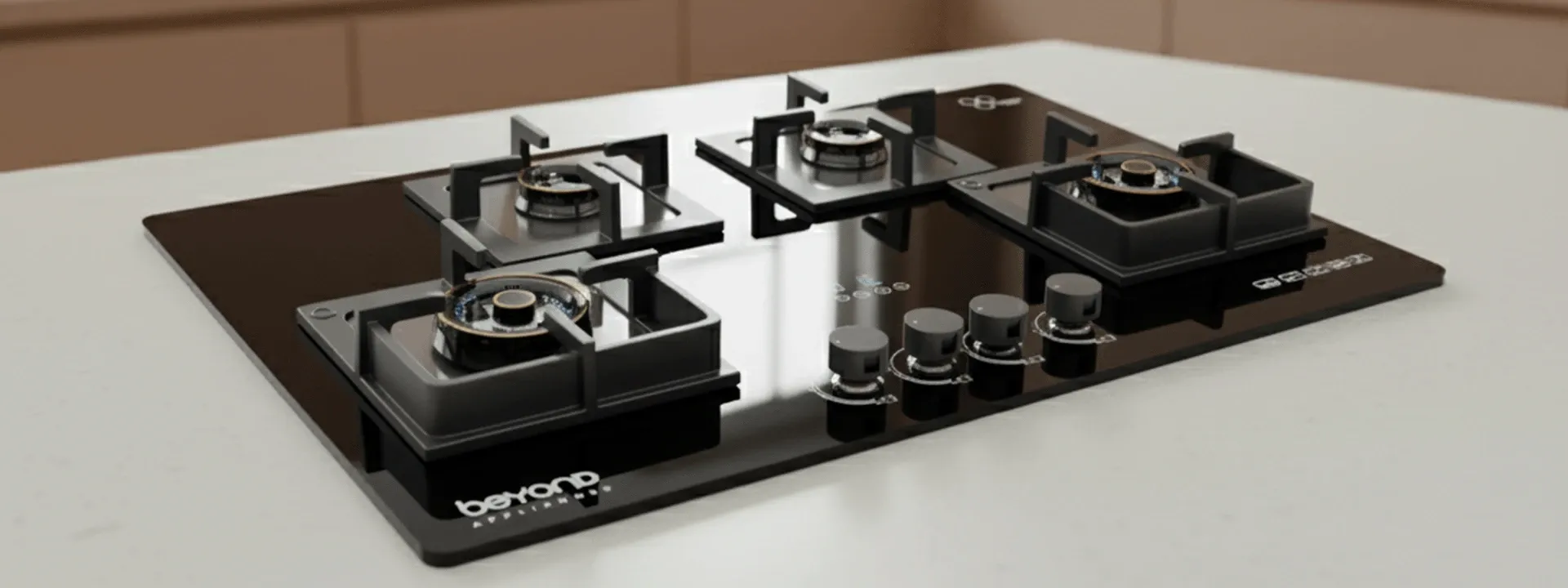
When choosing the perfect stove for your kitchen, the burner material plays a crucial role in your cooking experience. The debate between brass burner vs cast iron burner has been ongoing among home cooks and professional chefs alike. Each material brings unique advantages to your cooking setup, affecting everything from heat distribution to maintenance requirements. Understanding these differences helps you make an informed decision that aligns with your cooking style, kitchen design, and long-term needs. Whether you're upgrading your existing cooktop or designing a new kitchen, the choice between these two premium burner materials can significantly impact your daily cooking experience.
The material of your stove burner directly influences cooking efficiency, heat distribution, and overall kitchen performance. Modern stove burners come in various materials, but brass and cast iron stand out as premium options for serious home cooks. Stove burner types vary significantly in their thermal properties and durability characteristics. Brass burners offer excellent heat conductivity and corrosion resistance, making them ideal for everyday cooking needs. Cast iron burners, on the other hand, provide superior heat retention and long-term durability, perfect for intensive cooking sessions.
Your burner material affects cooking speed, temperature control, and energy efficiency. The right choice depends on your cooking habits, kitchen size, and maintenance preferences.
For compact modern design kitchens, burner weight and aesthetics become important considerations. Lighter brass burners suit smaller spaces, while robust cast iron burners work well in larger, professional-style kitchens.
Brass burners have gained popularity among home cooks for their exceptional performance characteristics and user-friendly features. These burners excel in quick heating and precise temperature control, making them perfect for busy kitchens. Brass burner advantages include superior heat conductivity, lightweight construction, and natural corrosion resistance. These features translate into faster cooking times and easier maintenance routines.
Brass conducts heat approximately three times faster than cast iron, resulting in quicker heat-up times. This efficiency saves both time and energy during cooking. The material's excellent thermal conductivity ensures even heat distribution across the cooking surface, preventing hot spots that can burn food.
Brass naturally resists rust and oxidation, maintaining its appearance and performance over time. Regular cleaning with mild soap and water keeps brass burners looking new. The lightweight nature of brass makes removal and cleaning much easier compared to heavier alternatives.
Brass burners work exceptionally well for everyday cooking tasks like boiling, sautéing, and quick meal preparation. They're ideal for compact stove burners in smaller kitchens where weight and space matter. The precise temperature control makes them perfect for delicate cooking techniques.
Cast iron burners represent the gold standard for heavy-duty cooking performance. Their exceptional thermal mass and durability make them favorites among professional chefs and serious home cooks. Cast iron burner advantages center around superior heat retention, exceptional durability, and consistent cooking temperatures. These burners excel in high-heat cooking applications and long cooking sessions.
Cast iron's high thermal mass means it retains heat longer than other materials. Once heated, cast iron burners maintain consistent temperatures, perfect for searing meats or maintaining steady heat for slow cooking. This burner heat retention property also contributes to energy efficiency.
Cast iron burners can last decades with proper care. Their robust construction resists warping, cracking, and other structural damage. The material's strength makes it ideal for heavy cookware and intensive cooking applications. Cooktop burner durability reaches its peak with well-maintained cast iron burners.
Cast iron burners excel in high-heat cooking techniques like searing, wok cooking, and professional-style food preparation. They're perfect for kitchens that see heavy use and require consistent, reliable performance day after day.
Comparing brass and cast iron burners reveals distinct performance characteristics that suit different cooking needs and preferences. Understanding these differences helps you choose the best stove burner material for your specific requirements. Both materials offer unique advantages, but their performance varies significantly in key areas like heating speed, temperature control, and maintenance requirements.
Brass burners heat up 40-50% faster than cast iron, making them ideal for quick cooking tasks. However, cast iron provides more even heat distribution once fully heated. Temperature control precision favors brass for delicate cooking, while cast iron excels in maintaining steady heat for longer periods.
Brass burners typically weigh 30-40% less than equivalent cast iron burners, making them easier to handle during cleaning and maintenance. This weight difference becomes significant in modern stove burners designed for easy removal and cleaning.
Burner corrosion resistance strongly favors brass, which naturally resists rust and oxidation. Cast iron requires more careful maintenance to prevent rust, especially in humid environments or with acidic foods.
The financial aspect of choosing between brass and cast iron burners involves both initial costs and long-term value considerations. Understanding the total cost of ownership helps make an informed decision. Initial purchase prices vary significantly between materials, but long-term costs include maintenance, replacement, and energy efficiency factors.
Brass burners typically cost 20-30% more than basic cast iron burners initially. However, premium forged brass burners can cost significantly more. Cast iron burners offer excellent value for money, especially considering their longevity.
Over a 15-year period, brass burners may require replacement sooner than cast iron, affecting long-term costs. However, brass burners' energy efficiency and lower maintenance costs can offset higher initial prices. Cast iron burners offer the best long-term value for heavy users.
Selecting between brass and cast iron burners depends on your specific cooking habits, kitchen design, and maintenance preferences. Consider your daily cooking routine and long-term kitchen goals. Evaluate factors like cooking frequency, preferred cooking methods, kitchen size, and maintenance willingness to make the right choice.
High-frequency cooks benefit from brass burners' quick heating and easy maintenance. Occasional cooks might prefer cast iron's durability and heat retention. Professional-style cooking favors cast iron's consistent performance.
Choose brass burners for quick daily cooking, easy maintenance, and compact kitchens. Select cast iron burners for heavy-duty cooking, professional techniques, and maximum durability. Consider your cooking style and kitchen design when making the final decision.
Brass burners are generally better for everyday cooking due to their quick heating, easy maintenance, and precise temperature control. They're ideal for busy kitchens where speed and convenience matter most.
Brass burners typically last 10-15 years with proper care, while cast iron burners can last 15-25 years or more. Cast iron's superior durability makes it a better long-term investment for heavy users.
Brass burners justify their higher cost through faster heating, easier maintenance, and better corrosion resistance. For frequent cooks who value convenience, the investment pays off in time savings and reduced maintenance.
Cast iron burners need regular seasoning and careful drying to prevent rust. They require more maintenance than brass but reward proper care with decades of reliable performance.
Brass burners are more gas-efficient due to faster heating times and better heat conductivity. Cast iron burners use more gas initially but retain heat longer, potentially saving energy during extended cooking sessions.
The choice between brass and cast iron burners ultimately depends on your cooking style, maintenance preferences, and kitchen design goals. Brass burners excel in quick heating, easy maintenance, and precise temperature control, making them perfect for busy modern kitchens. Cast iron burners offer superior durability, heat retention, and consistent performance for serious cooking enthusiasts. Consider your daily cooking habits, maintenance willingness, and long-term kitchen plans when making this important decision. Both materials offer excellent performance when properly maintained, ensuring years of reliable cooking performance in your kitchen.
