

Brass vs Aluminum Burners: Ultimate Showdown
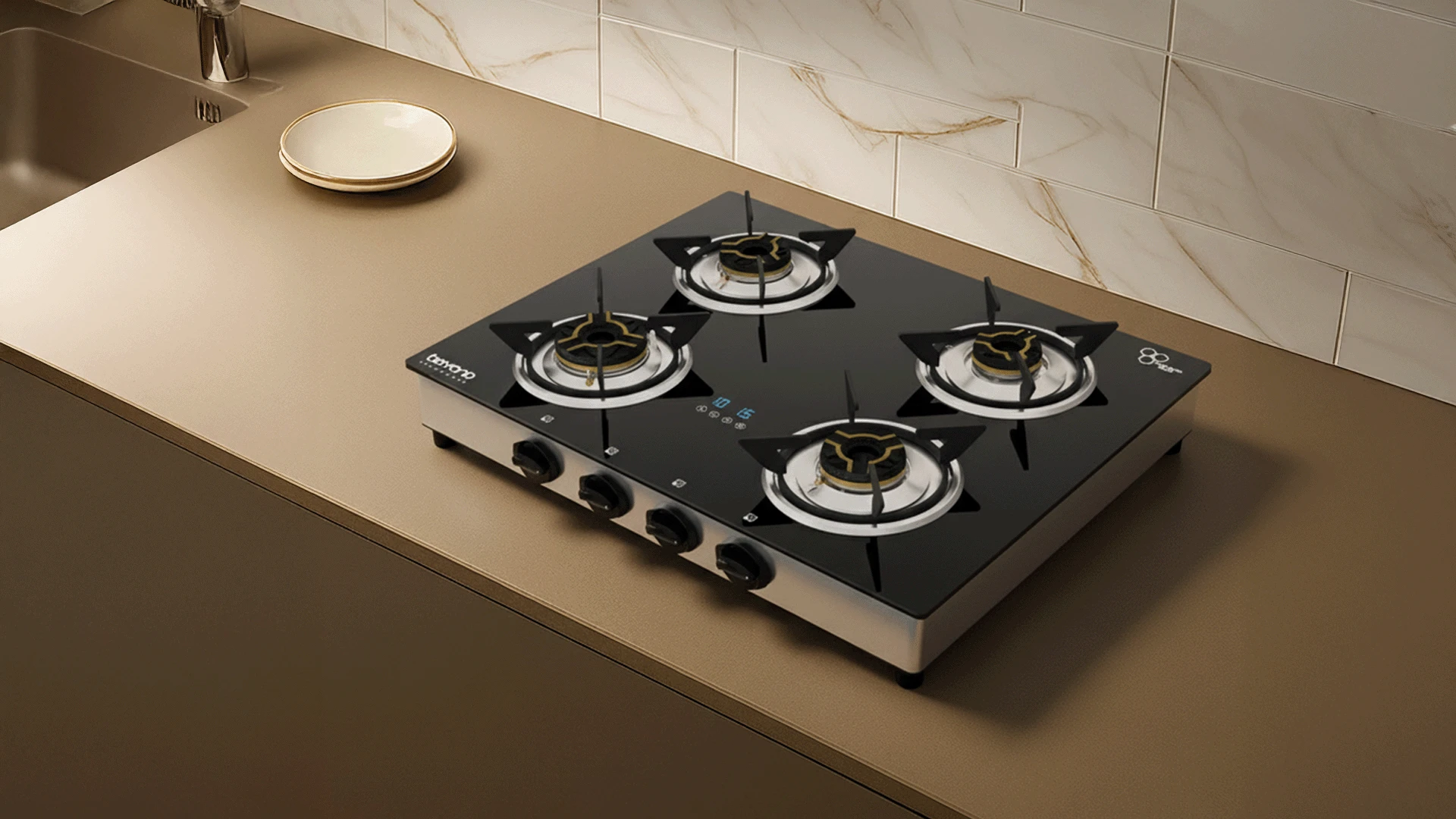
When choosing the perfect gas stove for your kitchen, the burner material plays a crucial role in cooking performance and long-term satisfaction. The debate between brass vs aluminum burners has divided home cooks and professional chefs alike. Each material brings distinct advantages to your cooking experience, from heat distribution to durability. Understanding these differences helps you make an informed decision that aligns with your cooking style, budget, and kitchen design preferences. Modern cooktop design increasingly emphasizes both functionality and aesthetics, making burner material selection more important than ever.
Brass burners emerge as the clear winner for serious cooks who prioritize heat efficiency and durability. They offer superior heat retention, better temperature control, and exceptional longevity. Aluminum burners excel in affordability and quick heating, making them ideal for budget-conscious households with lighter cooking needs. Here's the quick comparison for brass vs aluminum burners: • Heat Efficiency: Brass wins with better heat retention and distribution • Durability: Brass lasts significantly longer with proper maintenance • Cost: Aluminum offers immediate savings, brass provides long-term value • Heating Speed: Aluminum heats faster initially, brass maintains temperature better • Maintenance: Both require regular cleaning, brass needs less frequent replacement
The choice between different stove burner materials significantly impacts your cooking experience and kitchen appliance performance. Each material's unique properties determine how efficiently heat transfers to your cookware and how long the burner maintains optimal performance.
Brass burners feature a copper-zinc alloy composition that provides exceptional density and heat retention properties. This metal for burners offers natural anti-corrosive characteristics, making it resistant to moisture and food acids commonly found in kitchen environments.
Aluminum's lightweight nature and excellent thermal conductivity make it a popular choice for modern gas stoves. This material heats up quickly and responds rapidly to flame adjustments, offering immediate temperature control for various cooking techniques.
Today's kitchen appliance materials must balance performance with aesthetic appeal. The burner material affects not only cooking efficiency but also the overall design language of your cooktop, influencing everything from cleaning ease to visual integration with your kitchen's style.
Burner heat efficiency determines how effectively your stove converts gas into usable cooking heat. This efficiency directly impacts cooking times, energy consumption, and the consistency of your culinary results.
Brass burners excel in heat transfer rates due to their superior thermal mass. They distribute heat more evenly across the burner surface, creating consistent temperature zones that prevent hot spots and ensure uniform cooking results.
For high-heat cooking like stir-frying or searing, brass burners maintain stable temperatures even when cookware draws heat away quickly. Aluminum burners respond faster to flame adjustments but may struggle to maintain consistent heat during demanding cooking tasks.
Brass's superior heat retention means the burner stays warmer longer after flame reduction, providing better temperature stability for delicate cooking techniques like sauce preparation or chocolate melting.
Burner durability affects both performance longevity and replacement costs over time. Understanding how each material withstands daily cooking demands helps predict long-term satisfaction and maintenance requirements.
Durability depends on resistance to thermal stress, corrosion from cooking acids, and mechanical wear from regular cleaning. The material's ability to maintain structural integrity under repeated heating and cooling cycles determines its useful lifespan.
Brass burners typically last 8-12 years with proper maintenance, thanks to their corrosion resistance and structural stability. They maintain consistent performance throughout their lifespan and rarely require replacement due to material degradation.
Aluminum burners generally last 3-5 years before showing performance decline. They're more susceptible to corrosion and may develop uneven heating patterns as they age, particularly in households with heavy cooking usage.
The financial aspect of cooktop burner types extends beyond initial purchase price to include long-term ownership costs, energy efficiency, and replacement frequency.
Brass burners typically cost INR 2,000-4,000 more per burner than aluminum alternatives. This premium reflects the superior material properties and manufacturing complexity required for brass construction.
When calculating total ownership costs, brass burners often provide better value due to their extended lifespan and consistent performance. The reduced replacement frequency offsets the higher initial investment over time.
Heavy cooking households benefit most from brass burner investment, while occasional cooks may find aluminum burners adequate for their needs. Professional-level cooking demands justify the brass premium through improved performance and reliability.
Proper installation and maintenance significantly impact burner performance and longevity. Understanding the specific requirements for each burner material comparison helps ensure optimal operation.
Brass burners require slightly more robust mounting due to their increased weight, while aluminum burners integrate easily into most cooktop designs. Both materials are compatible with standard gas connections and installation procedures.
Both materials require regular cleaning with mild detergents and soft brushes. Brass burners resist staining better but may develop patina over time, while aluminum burners show wear more quickly but clean to original appearance more easily.
Brass burners rarely develop performance issues beyond normal wear, while aluminum burners may experience uneven heating or corrosion-related problems that require earlier replacement or professional service.
Selecting between brass and aluminum burners depends on your cooking style, budget constraints, and long-term kitchen goals. Consider your household's cooking frequency and performance expectations.
Choose brass burners if you cook frequently, value consistent performance, and prefer long-term investments. They're ideal for households that prepare complex meals requiring precise temperature control and even heat distribution.
Aluminum burners suit budget-conscious buyers who cook occasionally and prioritize quick heating over long-term durability. They work well for basic cooking tasks and households with lighter usage patterns.
Some manufacturers offer forged brass options that provide enhanced durability, while cast iron burners offer another premium alternative. Consider your specific cooking needs when evaluating these specialized options.
Brass burners are better for serious cooks who value durability and heat efficiency, while aluminum burners suit budget-conscious users with lighter cooking needs.
Yes, for frequent cooks. The superior heat retention, longer lifespan, and consistent performance justify the higher initial investment through reduced replacement costs and better cooking results.
Aluminum burners typically last 3-5 years with regular use, depending on cooking frequency and maintenance quality.
Yes, most gas stoves allow burner upgrades. Consult your manufacturer or a qualified technician to ensure compatibility with your specific cooktop model.
Aluminum burners heat up faster initially due to their lighter weight and thermal conductivity, but brass burners maintain temperature more consistently.
No special maintenance is required. Regular cleaning with mild soap and water, plus periodic deep cleaning, keeps brass burners performing optimally.
The brass vs aluminum burners decision ultimately depends on your cooking priorities and budget. Brass burners excel in durability and heat efficiency, making them ideal for serious home cooks who value long-term performance. Aluminum burners offer affordability and quick heating for budget-conscious households with moderate cooking needs. Consider your cooking frequency, performance expectations, and long-term kitchen goals when making this important decision. Both materials can serve you well when matched appropriately to your specific requirements and usage patterns.
