

Basic Hood vs Chimney: Kitchen Ventilation Guide
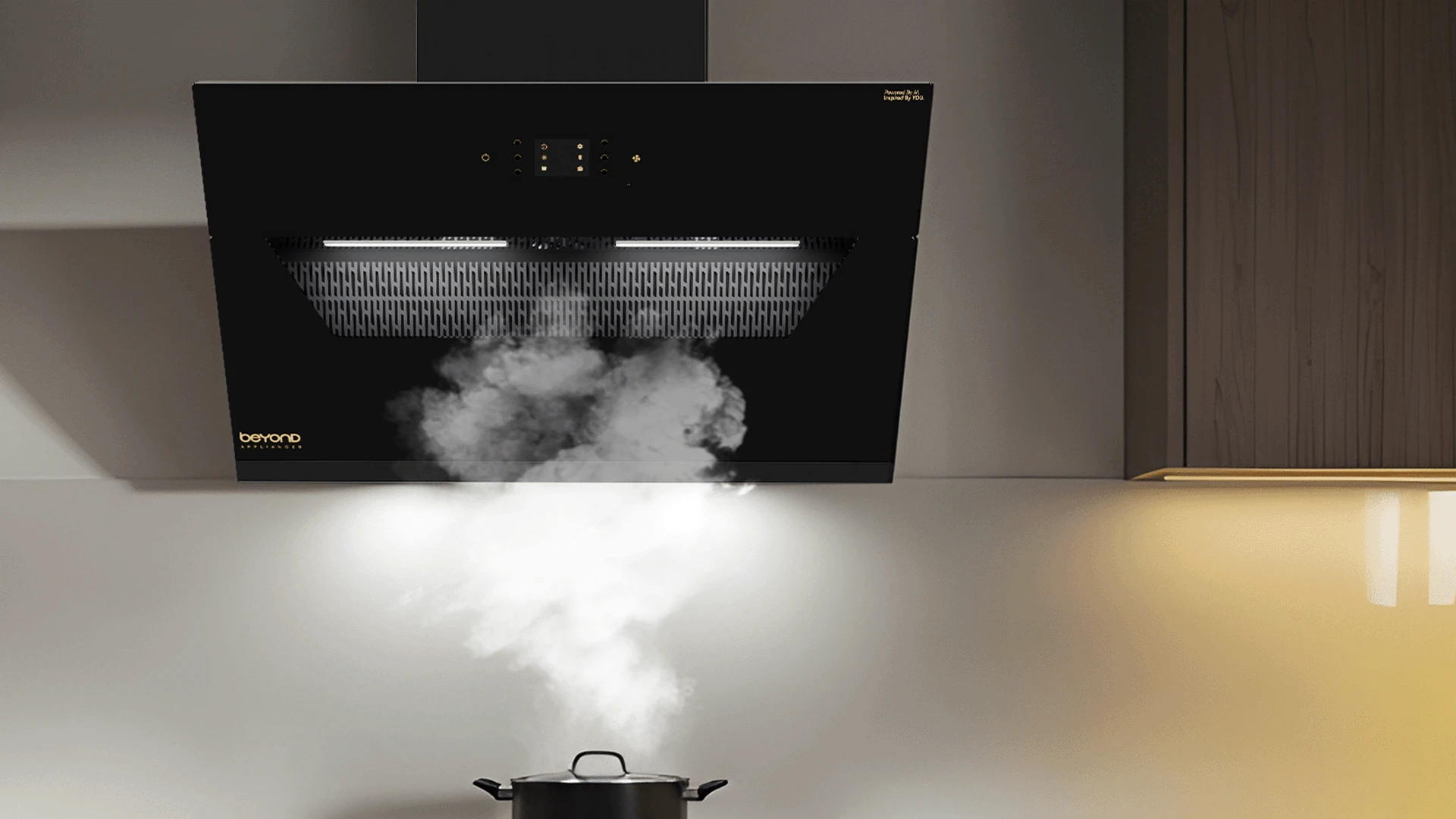
Choosing the right kitchen ventilation system can transform your cooking experience and protect your home from smoke, grease, and odors. Two popular options dominate the market: basic range hoods and wall-mounted chimney hoods. Each serves the same fundamental purpose but differs significantly in design, performance, and installation requirements. Understanding these differences helps you make an informed decision that matches your kitchen layout, cooking habits, and budget. Whether you're renovating an existing kitchen or designing a new one, the choice between these ventilation systems impacts both functionality and aesthetics for years to come.
Basic range hoods and wall-mounted chimney hoods represent two distinct approaches to kitchen ventilation. Basic hoods typically mount under cabinets or directly to the wall with a compact, streamlined design. These units focus on essential functionality without elaborate styling, making them ideal for smaller kitchens or budget-conscious homeowners. Wall-mounted chimney hoods feature a distinctive funnel or pyramid shape that extends from the cooking surface to the ceiling or upper cabinets. This design creates a more prominent visual presence while often delivering superior smoke and grease capture. The chimney design allows for larger internal fans and more extensive ductwork, potentially improving overall performance.
Basic hoods measure typically 6-8 inches in height and extend 18-24 inches from the wall. Their low-profile design integrates seamlessly with existing cabinetry. Most models include basic lighting and simple control panels. Chimney hoods range from 24-36 inches in height with varying widths to match cooktop sizes. The expanded internal space accommodates more powerful motors and advanced filtration systems. Many feature decorative elements like stainless steel finishes or glass panels.
The basic hood vs wall-mounted chimney differences become apparent in suction power and coverage area. Basic hoods typically offer 200-400 CFM (cubic feet per minute) capacity, suitable for light to moderate cooking. Chimney hoods often provide 400-1200 CFM, handling heavy-duty cooking and larger cooking surfaces effectively.
Installation requirements vary significantly between basic and chimney hood systems. Basic hoods require minimal structural modifications and often install in under two hours. Most homeowners with basic DIY skills can handle the installation using standard tools and wall anchors. Wall-mounted chimney hoods demand more complex installation procedures. The larger size and weight require robust wall mounting systems, often including additional structural support. Professional installation becomes necessary for proper ductwork routing and electrical connections.
Compact kitchen hood designs favor basic models in smaller spaces. These units require only 6-8 inches of vertical clearance above the cooktop, preserving valuable cabinet space. The minimal footprint works well in galley kitchens or apartments. Chimney hoods need 24-30 inches of clearance and wider wall space for proper mounting. The extended height requires adequate ceiling clearance, making them unsuitable for kitchens with low ceilings or extensive upper cabinetry.
Modern range hood designs increasingly emphasize seamless kitchen integration. Basic hoods blend into cabinetry lines, maintaining clean, uninterrupted visual flow. Many models offer custom panel options to match existing cabinet finishes. Chimney hoods serve as focal points in kitchen design ventilation schemes. The prominent profile can complement or contrast with surrounding elements, creating visual interest and architectural definition.
Kitchen ventilation effectiveness depends on several factors including motor power, capture area, and ductwork design. Basic hoods excel in standard residential cooking scenarios with moderate heat and smoke production. Their compact motors operate quietly while providing adequate air circulation for everyday meal preparation. Chimney hoods deliver superior performance for serious cooking enthusiasts. The larger capture zone effectively contains smoke and grease from multiple burners simultaneously. Higher CFM ratings handle intense cooking methods like high-heat searing or wok cooking.
Both hood types offer ducted and ductless configurations. Ducted systems exhaust air outside, providing maximum odor and moisture removal. Ductless models recirculate filtered air back into the kitchen, suitable for installations where external venting isn't feasible. Basic hoods in ductless configuration work well for light cooking but may struggle with heavy grease production. Chimney hoods maintain better performance in ductless mode due to larger filter systems and more powerful circulation fans.
Noise levels vary considerably between models and power settings. Basic hoods typically operate at 3-6 sones on high settings, providing reasonable noise levels for most users. Compact motors limit maximum power but maintain quieter operation. Chimney hoods may produce 4-8 sones depending on CFM rating and motor quality. Higher-end models incorporate noise reduction technology and variable speed controls to minimize operational sound.
Initial purchase costs reveal significant differences between basic and chimney hood options. Basic hoods range from INR 3,000 to INR 15,000, depending on features and build quality. This price point makes them accessible for most kitchen renovation budgets. Wall-mounted chimney hoods start around INR 8,000 and extend to INR 50,000 or more for premium models. The higher cost reflects larger motors, advanced controls, and enhanced styling options.
Installation expenses add to the total investment. Basic hoods often require minimal professional assistance, keeping installation costs under INR 2,000. Simple mounting procedures and standard electrical connections reduce labor requirements. Chimney hood installation typically costs INR 3,000 to INR 8,000, depending on complexity. Ductwork modifications, electrical upgrades, and structural reinforcement increase professional labor time and material costs.
Maintenance costs favor basic hoods due to simpler designs and fewer components. Filter replacements cost INR 500-1,500 annually, and basic repairs rarely exceed INR 3,000. Chimney hoods require more expensive filters and potential motor servicing. Annual maintenance costs range from INR 1,000-3,000, with major repairs potentially reaching INR 8,000-12,000.
Modern kitchen design increasingly emphasizes clean lines and integrated appliances. Basic hoods support this aesthetic by virtually disappearing into cabinet designs. Custom panel options allow perfect color and texture matching with existing cabinetry. Chimney hoods make bold design statements that can enhance or detract from overall kitchen aesthetics. Stainless steel models complement contemporary designs, while custom finishes allow integration with traditional or transitional styles.
Both hood types now offer LED lighting systems that improve cooking visibility while reducing energy consumption. Basic hoods typically include 1-2 LED strips, while chimney hoods may feature multiple lighting zones with dimming controls. Smart technology integration appears more frequently in chimney hoods due to higher price points and target markets. Features include smartphone controls, automatic operation sensors, and integration with home automation systems.
Compact modern design principles favor clean, uncluttered spaces with hidden or integrated appliances. Basic hoods excel in this environment by maintaining low visual impact while providing necessary functionality. Chimney hoods can work in compact modern design when treated as intentional focal points. Sleek profiles and premium finishes transform functional appliances into design elements that enhance rather than compromise spatial aesthetics.
Basic hoods work better for small kitchens due to their compact size and lower profile. They preserve valuable cabinet space and don't overwhelm limited wall areas. Chimney hoods may appear oversized in small spaces and reduce visual openness.
Chimney hoods generally provide superior performance due to larger motors and better capture zones. However, basic hoods adequately handle light to moderate cooking needs. The "better" choice depends on your specific cooking habits and kitchen requirements.
Basic hoods require simple wall mounting with standard electrical connections. Chimney hoods need more complex installation including structural support, extensive ductwork, and often professional electrical work. Installation time differs significantly between the two types.
Chimney hoods justify higher costs for serious cooks who generate significant smoke and grease. They also add visual impact and potential home value. For light cooking, basic hoods provide adequate performance at lower cost.
Conversion is possible but requires significant modifications including new mounting systems, ductwork changes, and electrical upgrades. The cost often approaches new chimney hood installation, making direct replacement more practical.
Chimney hoods typically require more maintenance due to larger filter systems and more complex internal components. Basic hoods have fewer parts and simpler cleaning requirements, reducing ongoing maintenance time and costs.
The choice between basic hoods and wall-mounted chimney hoods ultimately depends on your specific kitchen needs, cooking habits, and design preferences. Basic hoods excel in compact spaces with moderate cooking requirements, offering cost-effective ventilation without overwhelming smaller kitchens. Chimney hoods provide superior performance and visual impact for larger kitchens and serious cooking enthusiasts. Consider your budget, installation requirements, and long-term maintenance commitments when making this important kitchen ventilation decision. Both options can effectively improve your cooking environment when properly matched to your specific situation and requirements.
