

9 Minimalist Kitchen Design Principles for a Decluttered Space
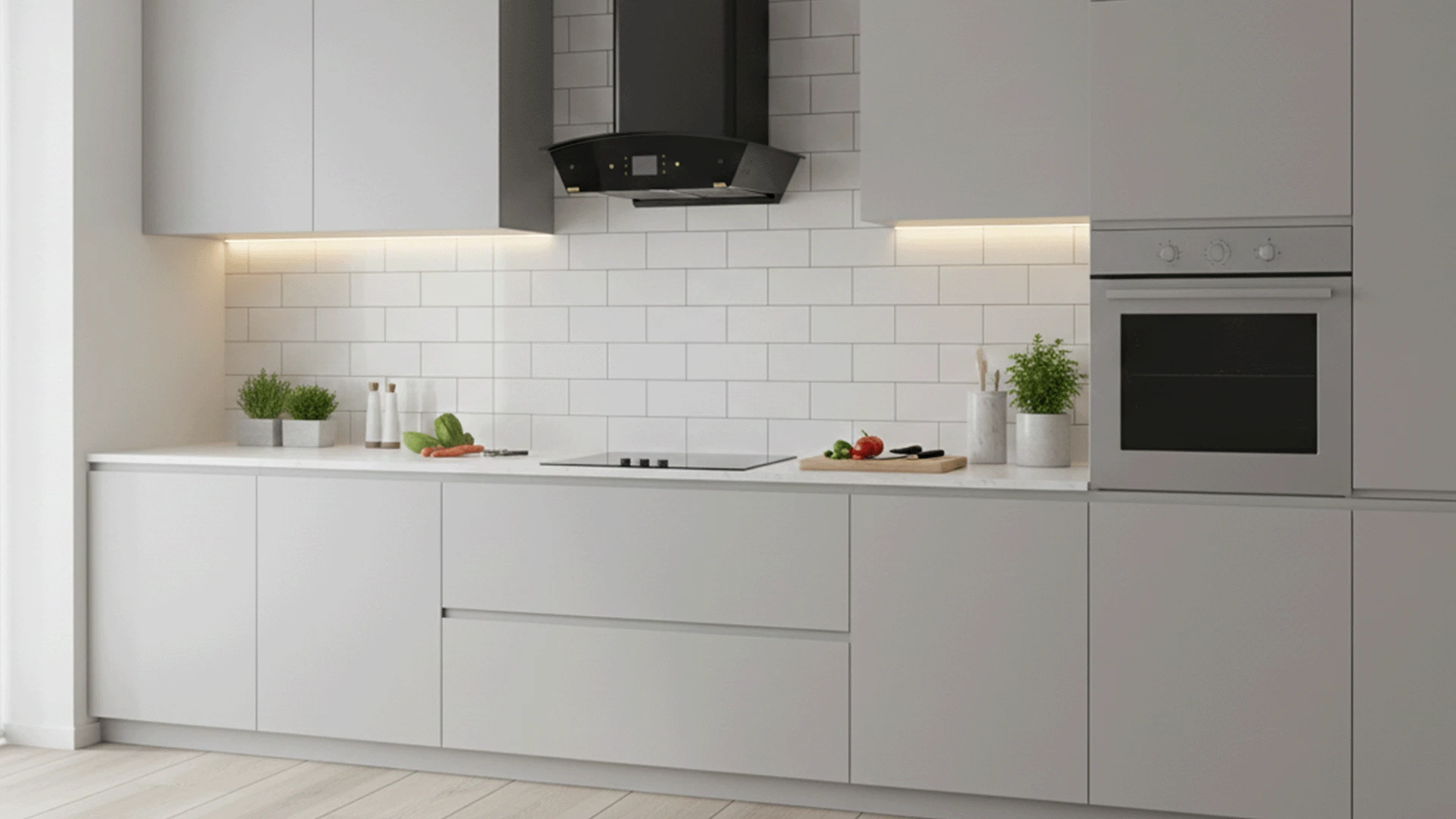
Creating a minimalist kitchen goes far beyond simply removing clutter from your countertops. It's about designing a space that embodies functionality, simplicity, and intentional living. Modern homeowners are increasingly drawn to minimalist kitchen design principles that transform their cooking spaces into serene, efficient environments. These principles focus on clean lines, purposeful storage, and a carefully curated selection of essential elements that make daily cooking tasks more enjoyable and less stressful.
A truly minimalist kitchen represents more than an aesthetic choice—it's a philosophy that prioritizes function over form while maintaining visual harmony. Simple kitchen aesthetics emerge from thoughtful design decisions that eliminate unnecessary elements while preserving everything essential for efficient cooking and food preparation.
The core characteristics of minimalist design include clean geometric lines, intentional use of space, and a focus on quality over quantity. Unlike sparse or empty kitchens that feel cold and unwelcoming, a well-designed minimalist space feels warm and inviting while maintaining its streamlined appearance. This approach offers numerous benefits including easier maintenance, improved functionality, reduced visual stress, and enhanced focus on the cooking experience itself.
The foundation of any successful minimalist kitchen layout lies in optimizing the work triangle—the path between your sink, stove, and refrigerator. This classic design principle becomes even more critical in minimalist spaces where every element must serve a clear purpose.
Divide your kitchen into distinct zones for preparation, cooking, cleaning, and storage. This approach ensures that each area serves its specific function without overlap or confusion.
For small minimalist kitchen designs, consider galley layouts or L-shaped configurations that maximize counter space while maintaining clear pathways. Open floor plans work particularly well with minimalist principles, creating seamless transitions between kitchen and living areas.
The visual foundation of minimalist design rests on clean line kitchen elements that create a sense of order and tranquility. This principle extends to every visible surface, from cabinet doors to countertop edges.
Choose flat-panel cabinet doors and drawer fronts that eliminate decorative molding and ornate details. Geometric shapes and straight edges should dominate your design choices, creating a cohesive visual language throughout the space.
Select simple, geometric hardware or consider handle-less designs that maintain clean surfaces. Integrated pulls and touch-to-open mechanisms support the streamlined aesthetic.
Opt for straight or slightly beveled countertop edges rather than decorative profiles. This choice reinforces the geometric principles while making cleaning easier.
A successful minimalist kitchen color palette relies on restraint and intentionality. Monochromatic schemes using whites, grays, and natural wood tones create visual cohesion while allowing architectural elements to shine.
The key to a modern minimalist kitchen color scheme lies in creating depth through texture rather than bold colors. Consider how natural light interacts with your chosen palette throughout the day, ensuring the space feels warm and inviting rather than stark.
Use black sparingly for contrast and definition, perhaps in hardware, fixtures, or a single accent wall. Avoid busy patterns and competing colors that can create visual chaos.
Incorporate natural wood tones through flooring, open shelving, or cutting boards to add warmth without compromising the minimalist aesthetic.
The heart of decluttered kitchen ideas involves ruthlessly evaluating every item in your space. This principle requires honest assessment of what you truly need versus what you think you might use someday.
Start by identifying essential kitchen elements that support your actual cooking habits. Multi-functional items become particularly valuable, such as a high-quality chef's knife that can replace multiple specialized cutting tools.
Maintain clear countertops by storing small appliances in cabinets or pantries. Only items used daily should earn permanent counter space.
Implement this maintenance strategy to prevent accumulation of unnecessary items. When you bring something new into the kitchen, remove something else.
Modern kitchen appliances can either support or undermine your minimalist goals. Streamlined kitchen design benefits enormously from thoughtful appliance integration that maintains visual continuity.
Built-in appliances create a more cohesive appearance than freestanding units, while panel-ready options allow appliances to blend seamlessly with cabinetry. Consider how each appliance contributes to both function and aesthetics.
Range hoods and ventilation systems can dominate kitchen sightlines. Integrated or hidden options maintain clean aesthetics while providing necessary functionality. Modern chimney designs offer sleek profiles that complement minimalist principles.
For smaller spaces, choose compact appliances that deliver full functionality without overwhelming the design. Smart features can reduce the need for multiple devices.
Effective storage solutions form the backbone of any functional minimalist kitchen. The goal is to provide ample storage capacity while keeping surfaces clean and uncluttered.
Handle-less cabinet systems and push-to-open mechanisms eliminate visual hardware while maintaining easy access. This approach works particularly well in small minimalist kitchen designs where every detail matters.
Extend cabinets to the ceiling to maximize storage capacity. Tall cabinets create strong vertical lines that enhance the minimalist aesthetic.
Explore toe-kick drawers, under-cabinet storage, and integrated pantry solutions that keep essentials accessible but out of sight.
Material selection significantly impacts both the appearance and longevity of your minimalist kitchen. Simple kitchen aesthetics benefit from consistent, high-quality materials that age gracefully.
Natural materials like wood, stone, and metal provide texture and warmth while maintaining the clean aesthetic. Choose durable, low-maintenance options that will look beautiful for years without requiring frequent updates.
Maintain consistency in finish choices throughout the space. Avoid mixing multiple metal finishes or competing textures that can create visual confusion.
Focus your budget on high-impact elements like countertops, cabinet hardware, and flooring. These foundational choices set the tone for the entire space.
Lighting plays a crucial role in minimalist kitchen success, affecting both functionality and mood. Layer different types of lighting to create a well-lit workspace that feels warm and inviting.
Under-cabinet lighting eliminates shadows on work surfaces while maintaining clean lines. Pendant lights over islands or peninsulas can provide both task lighting and visual interest without cluttering the design.
Preserve and enhance natural light sources through strategic window treatments and reflective surfaces. Light-colored materials help bounce light throughout the space.
Choose lighting fixtures with simple, geometric forms that complement your overall design aesthetic. Avoid ornate or decorative fixtures that compete with the minimalist principles.
Creating a minimalist kitchen is only the first step—maintaining its clean, organized appearance requires ongoing commitment and smart systems. Develop habits that support your design goals while making daily kitchen tasks more efficient.
Regular decluttering sessions help prevent accumulation of unnecessary items. Establish designated homes for everything, making it easy to maintain order even during busy periods.
Minimalist surfaces are easier to clean and maintain. Choose materials and finishes that resist stains and require minimal upkeep.
Periodically assess your kitchen contents and remove items that no longer serve your needs. This practice keeps your space aligned with minimalist principles.
The key principles include functionality over decoration, quality over quantity, clean lines and simple forms, neutral color palettes, and intentional use of space. These principles work together to create environments that feel calm, organized, and purposeful.
Start with decluttering and reorganizing existing items. Paint cabinets in neutral colors, replace hardware with simple designs, and focus on one high-impact upgrade like countertops or backsplash. Remove unnecessary decorative elements and maintain clear surfaces.
Yes, minimalist principles actually benefit large families by creating more efficient storage and easier maintenance. Focus on multi-functional items, maximize vertical storage, and establish clear organization systems that everyone can follow.
Essential appliances include a refrigerator, cooktop or range, oven, and proper ventilation system. Choose high-quality, multi-functional appliances that serve multiple purposes rather than single-use gadgets.
Add personality through texture, natural materials, and carefully chosen functional items like beautiful cutting boards or ceramic containers. A single piece of artwork or a small plant can provide visual interest without cluttering the space.
Implementing these nine minimalist kitchen design principles creates a space that serves your daily needs while providing visual calm and functional efficiency. The key lies in thoughtful planning, quality material choices, and ongoing commitment to maintaining the organized systems you create.
Remember that minimalism is not about deprivation—it's about creating space for what truly matters. A well-designed minimalist kitchen becomes a joy to use, easy to maintain, and a peaceful retreat within your home. Start with one principle and gradually implement others as you refine your space into the functional, beautiful kitchen you've always wanted.
