

7 Ways to Reduce Cooktop Power Consumption Now
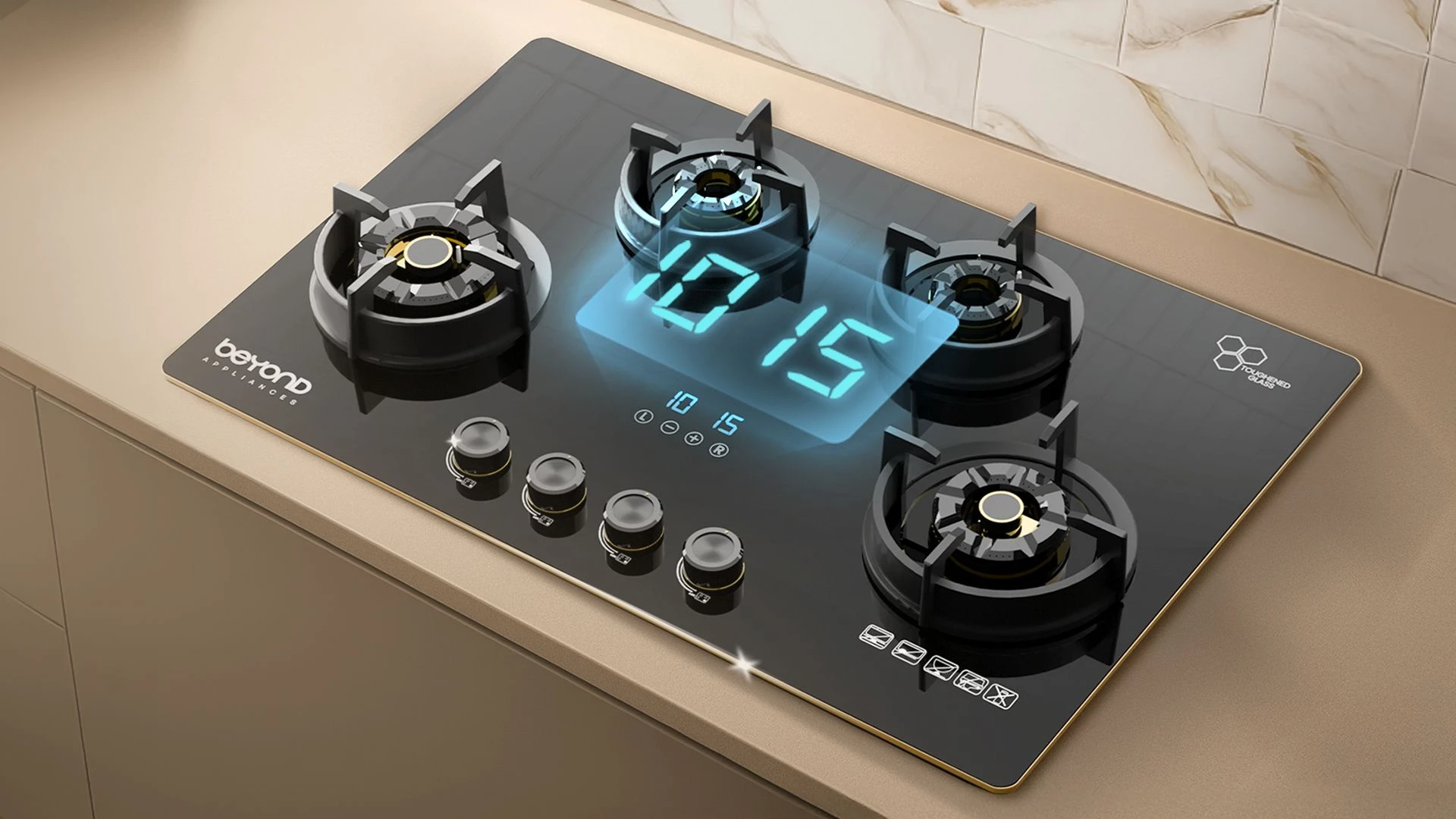
Rising electricity bills have many homeowners looking for ways to cut costs without sacrificing their cooking experience. Your cooktop is one of the highest energy-consuming appliances in your kitchen, typically using between 1,200 to 3,000 watts per hour. Understanding cooktop power consumption and implementing smart energy-saving strategies can significantly reduce your monthly electricity costs. Whether you're using an induction, electric, or gas cooktop, there are proven methods to optimize energy efficiency while maintaining excellent cooking performance. Let's explore seven practical ways to reduce your cooktop's energy use starting today.
Before diving into energy-saving techniques, it's essential to understand how much power your cooktop actually uses. Different cooktop types have varying energy requirements and efficiency levels. Electric cooktops typically consume more energy than their induction counterparts, while gas cooktops have their own efficiency considerations.
Most cooktops range from 1,200 watts for smaller burners to 3,000 watts for large, high-power elements. At current electricity rates of approximately INR 6-8 per unit, this translates to hourly costs of INR 7-24 per hour of cooking. A typical household spends INR 500-800 monthly on cooktop electricity cost alone. Understanding these numbers helps you make informed decisions about your cooking habits and appliance choices.
Traditional electric cooktop wattage averages around 2,000 watts with significant energy losses through heat radiation. In contrast, induction cooktop power consumption is remarkably more efficient, using only 0.35 kWh for the same cooking tasks. Induction technology transfers energy directly to cookware, achieving 85-90% efficiency compared to 65-70% for electric cooktops. Portable cooktop consumption varies widely, with models ranging from 1,000 to 1,800 watts depending on size and features.
Gas cooktop efficiency typically ranges between 40-50%, making it less efficient than induction but often more cost-effective due to lower gas prices. Modern induction units operate between 1,200-2,100 watts with 8-10 power levels for precise control. Compact cooktop energy specifications are generally lower, making them ideal for small kitchens or supplementary cooking needs.
Implementing these seven strategies can reduce your cooktop energy use by 20-40% without compromising cooking quality. Each method addresses different aspects of energy consumption, from equipment choices to cooking techniques.
Selecting an energy efficient cooktop is the most impactful long-term decision for reducing power consumption. Induction cooktops lead in efficiency, followed by electric, then gas. When comparing options, consider both purchase price and operating costs. A quality induction cooktop may cost more initially but saves INR 2,000-3,000 annually in electricity costs. Look for models with variable power settings and energy-saving features like automatic shut-off and residual heat indicators.
Most cooking tasks don't require maximum power settings. Using 800-1,000 watt settings for regular cooking prevents food burning while reducing energy consumption by 30-40%. Reserve high wattage settings (1,200W+) only for boiling water or searing. Learn to adjust power levels throughout cooking - start high for quick heating, then reduce to maintain temperature. This technique works particularly well with induction cooktops that offer precise power control.
Using appropriately sized cookware maximizes heat transfer efficiency and minimizes energy waste. A small pot on a large burner wastes up to 40% of generated heat. Conversely, oversized cookware on small burners leads to uneven heating and longer cooking times. Invest in a variety of pot and pan sizes to match your cooktop's burner configuration. For induction cooktops, ensure cookware has magnetic bottoms for optimal energy transfer.
Cooking with lids reduces energy consumption by 25-30% by trapping heat and moisture. This simple technique cuts cooking times significantly while maintaining food quality. Steam cooking and pressure cooking are excellent energy-saving methods that reduce both cooking time and power consumption. Pre-soaking grains and legumes also reduces cooking time and energy requirements.
Regular maintenance ensures optimal heat transfer and energy efficiency. Clean burner surfaces and cookware bottoms regularly to remove residue that impedes heat transfer. For electric cooktops, ensure heating elements are properly seated and functioning. Induction cooktops require minimal maintenance but benefit from keeping the glass surface clean. Replace damaged or warped cookware that doesn't make proper contact with heating surfaces.
Many electricity providers offer time-of-use rates with lower costs during off-peak hours. Schedule energy-intensive cooking tasks like batch cooking or meal preparation during these periods. Cooking multiple items simultaneously or in sequence while the cooktop is already hot maximizes energy efficiency. Plan weekly meal preparation to reduce daily cooking time and overall energy consumption.
Modern cooktops with smart controls offer programmable settings, temperature sensors, and automatic shut-off features that optimize energy use. These features prevent overcooking and automatically adjust power levels based on cooking requirements. Some models integrate with smart home systems, allowing you to monitor and control energy consumption remotely. While the initial investment is higher, smart features typically reduce energy consumption by 15-25%.
Calculating your actual cooktop power consumption helps identify specific areas for improvement and track savings from efficiency measures. Understanding these calculations empowers you to make informed decisions about cooking habits and equipment upgrades.
Use this simple formula: Watts ÷ 1000 × Hours × Rate per kWh = Cost. For example, a 1,600-watt induction cooktop running for one hour at INR 7 per unit costs INR 11.20. Track your usage patterns for a week to establish baseline consumption. Most households use their cooktop 2-3 hours daily, resulting in monthly costs of INR 600-1,200 depending on cooktop type and cooking habits.
Implementing all seven methods can reduce monthly cooktop costs by INR 200-400. Switching from electric to induction saves approximately INR 150 monthly. Using proper power settings and cookware sizing saves another INR 100-150. Combined with strategic timing and maintenance, total annual savings can reach INR 3,000-4,000. These savings often justify upgrading to more efficient equipment within 2-3 years.
Understanding cooktop amp usage and cooktop power requirements ensures safe operation while optimizing energy efficiency. Proper electrical setup prevents circuit overloading and maximizes appliance performance.
Most cooktops require dedicated circuits rated for their maximum amperage draw. A 1,600-watt cooktop draws approximately 7 amps on a 230-volt circuit. Ensure your electrical system can handle your cooktop's requirements without overloading. Proper wiring and circuit protection not only ensure safety but also maintain optimal energy efficiency by preventing voltage drops that increase power consumption.
1,200-watt models are ideal for basic cooking needs and smaller households, consuming about 20% less energy than 1,600-watt units. However, 1,600-watt models heat faster and offer more cooking power for larger meals. Choose based on your cooking patterns - frequent large meal preparation justifies higher wattage, while occasional cooking favors lower-power models.
Cooktops typically use 1,200-3,000 watts, costing INR 7-24 per hour depending on burner size and local electricity rates. Actual consumption varies based on power settings and cooking duration.
1 unit equals 1 kilowatt-hour (kWh) = 1,000 watt-hours. A 1,000W appliance running for 1 hour consumes 1 unit of electricity.
1,600W models heat faster and offer more cooking power, while 1,200W models are more energy-efficient for basic cooking needs. Choose based on your household size and cooking frequency.
Induction cooktops are most efficient at 85-90% energy transfer, compared to 40-50% for gas and 65-70% for electric cooktops.
Reducing cooktop power consumption requires a combination of smart equipment choices, proper cooking techniques, and regular maintenance. Start with simple changes like using lids, matching cookware to burner size, and optimizing power settings. These immediate actions can reduce energy consumption by 20-30% without any equipment investment. For long-term savings, consider upgrading to an energy-efficient induction cooktop and implementing smart cooking schedules. Track your progress monthly to see the impact of these changes on your electricity bills and adjust strategies as needed.
