

7 Pro Tips for Cleaning Gas Hob Burners Fast
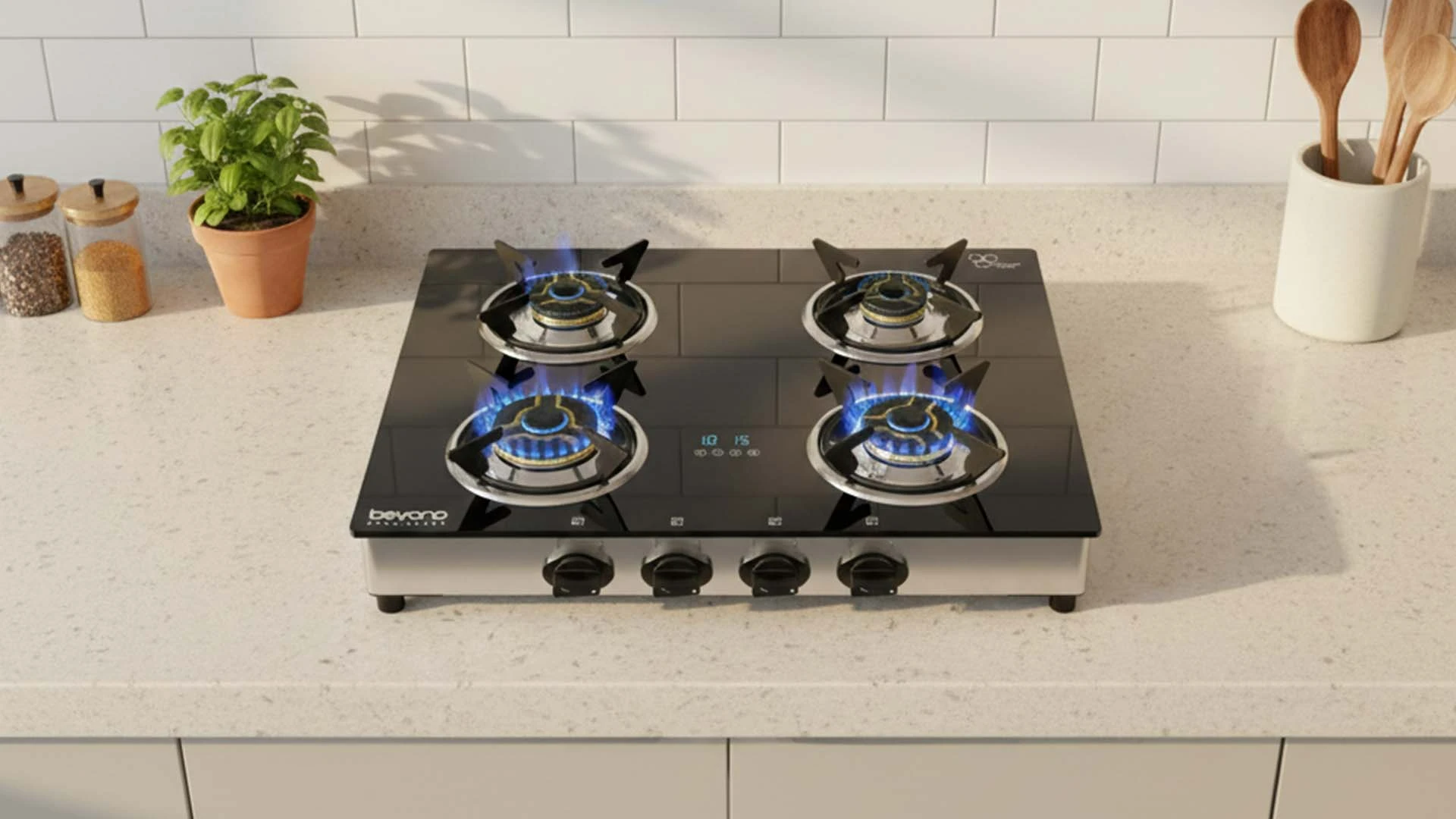
A spotless gas hob isn't just about aesthetics—it's essential for safety, efficiency, and the longevity of your cooking appliance. Neglected burners can lead to uneven flames, gas blockages, and even safety hazards in your kitchen. Modern compact kitchens demand smart cleaning strategies that deliver professional results without consuming your entire day. These seven expert techniques will transform your cleaning gas hob burners routine, helping you achieve sparkling results in under 30 minutes while maintaining optimal performance for all your culinary adventures.
Before diving into any burner cleaning project, assembling the right tools makes the difference between frustration and success. Safety should always come first—ensure your gas supply is completely turned off and burners are cool to the touch.
Gather rubber gloves, safety glasses, and ensure proper ventilation in your kitchen. Natural cleaning agents like baking soda, white vinegar, and mild dish soap prove remarkably effective for gas hob cleaning without harsh chemicals. These gentle yet powerful ingredients break down grease and grime while protecting your appliance's finish.
Invest in non-metallic brushes, old toothbrushes, and thin cleaning pins specifically designed for gas burner ports. Create a dedicated cleaning station in your compact kitchen cleaning setup with all supplies within easy reach. This organization streamlines the entire process and prevents mid-cleaning scrambles for missing tools.
The soaking method revolutionizes how to clean gas hob components by loosening stubborn buildup before you even start scrubbing. This technique works particularly well for heavily soiled burner caps and grates that haven't been cleaned in weeks.
Remove all detachable parts including burner caps, grates, and drip pans. Submerge them in hot soapy water for 20-30 minutes. The heat activates the cleaning agents while time allows them to penetrate grease and food residue. Add a cup of white vinegar to the soaking water for enhanced grease-cutting power.
Hot water works faster than warm water, but avoid boiling temperatures that might damage certain finishes. The 20-30 minute timeframe provides optimal results—longer soaking doesn't significantly improve outcomes while shorter periods leave stubborn residue intact.
When removing burnt food from burners, baking soda paste delivers exceptional results without scratching delicate surfaces. This gentle abrasive action breaks down carbonized food particles that resist standard cleaning methods.
Mix three parts baking soda with one part water to create a thick, spreadable paste. Apply generously to burnt areas and let sit for 15 minutes. The alkaline properties neutralize acidic food residues while the mild abrasive action loosens stubborn deposits.
Use circular motions with a soft brush or cloth, applying gentle pressure. Avoid steel wool or abrasive pads that can scratch surfaces. Rinse thoroughly with clean water and dry immediately to prevent water spots.
Cleaning gas hob burners with vinegar provides natural degreasing power that rivals commercial cleaners. The acetic acid in vinegar cuts through grease while eliminating odors and leaving surfaces streak-free.
For light cleaning, spray undiluted white vinegar directly onto surfaces. For heavy grease buildup, create a 50-50 vinegar and water solution. The combination of baking soda and vinegar creates a powerful foaming action that lifts stubborn grime effortlessly.
Allow vinegar to work for 5-10 minutes before wiping clean. The natural deodorizing properties eliminate cooking odors while the antimicrobial action provides additional hygiene benefits. This method works exceptionally well in compact kitchens where ventilation might be limited.
Proper hob burner maintenance extends the life of cast iron grates while maintaining their cooking performance. These durable components require special care to prevent rust and preserve their seasoning.
Avoid harsh detergents that strip the protective seasoning layer. Use warm soapy water and a stiff brush for routine cleaning. For stubborn residue, the baking soda paste method works effectively without damaging the iron surface.
Dry grates immediately after cleaning to prevent rust formation. Place them on a warm burner for a few minutes to ensure complete moisture removal. Light coating with cooking oil helps maintain the protective seasoning between uses.
Gas burner ports require meticulous attention for optimal flame performance. Blocked ports create uneven flames and reduced efficiency, making this step crucial for cleaning stove burners properly.
Use thin cleaning pins or straightened paper clips to gently clear each port hole. Work systematically around the burner, ensuring all openings are free from debris. This precision cleaning ensures even gas distribution and optimal flame patterns.
Never use metal objects larger than the port holes, as this can damage the gas flow mechanisms. Perform this detailed cleaning monthly or whenever you notice irregular flame patterns during cooking.
The best way to clean gas hob burners involves consistent daily maintenance that prevents heavy buildup. This proactive approach saves time and effort while maintaining optimal performance.
After each cooking session, wipe down surfaces with a damp cloth while the hob is still slightly warm. Address spills immediately to prevent them from hardening and becoming difficult to remove later.
Implement a weekly routine that includes removing and cleaning all detachable parts. This regular maintenance prevents the need for intensive cleaning sessions and keeps your cleaning gas cooktop tasks manageable.
Proper reassembly ensures safety and optimal performance after cleaning. Incorrect placement can lead to gas leaks or inefficient burning, making this final step critically important.
Replace components in reverse order of removal: drip pans first, then grates, and finally burner caps. Ensure all parts are completely dry before reassembly to prevent trapped moisture and potential corrosion.
Test each burner after reassembly to confirm proper gas flow and flame patterns. Look for even, blue flames without yellow tips or irregular shapes. Any irregularities indicate improper assembly or remaining blockages that require attention.
The soaking method provides the easiest approach—remove detachable parts, soak in hot soapy water for 20-30 minutes, then scrub gently with a soft brush. This technique requires minimal effort while delivering excellent results.
Combine daily maintenance with weekly deep cleaning using natural ingredients like baking soda and vinegar. Remove all detachable parts, soak them while cleaning the main surface, then reassemble carefully after everything is completely dry.
Use warm soapy water and avoid harsh detergents that damage the seasoning. Dry immediately and thoroughly to prevent rust, then apply a light coating of cooking oil to maintain the protective layer.
Create a baking soda paste, apply to burn marks, let sit for 15 minutes, then scrub gently with a soft brush. For stubborn marks, combine with vinegar for enhanced cleaning power.
Perform daily maintenance after each use, weekly deep cleaning of all components, and monthly precision cleaning of gas ports. This schedule prevents heavy buildup and maintains optimal performance.
Check manufacturer guidelines first. Most removable parts like grates and burner caps are dishwasher-safe, but cast iron components should be hand-washed to preserve their seasoning.
These seven professional techniques transform cleaning gas hob burners from a dreaded chore into a manageable routine. Regular maintenance using natural cleaning agents ensures safety, efficiency, and longevity of your cooking appliance. The combination of daily care, weekly deep cleaning, and monthly precision maintenance keeps your gas hob performing at its best while extending its lifespan. Remember that proper cleaning not only maintains appearance but also ensures safe operation and optimal cooking performance for years to come.
