

7 Pro Tips: Detect Uneven Hob Surface Fast
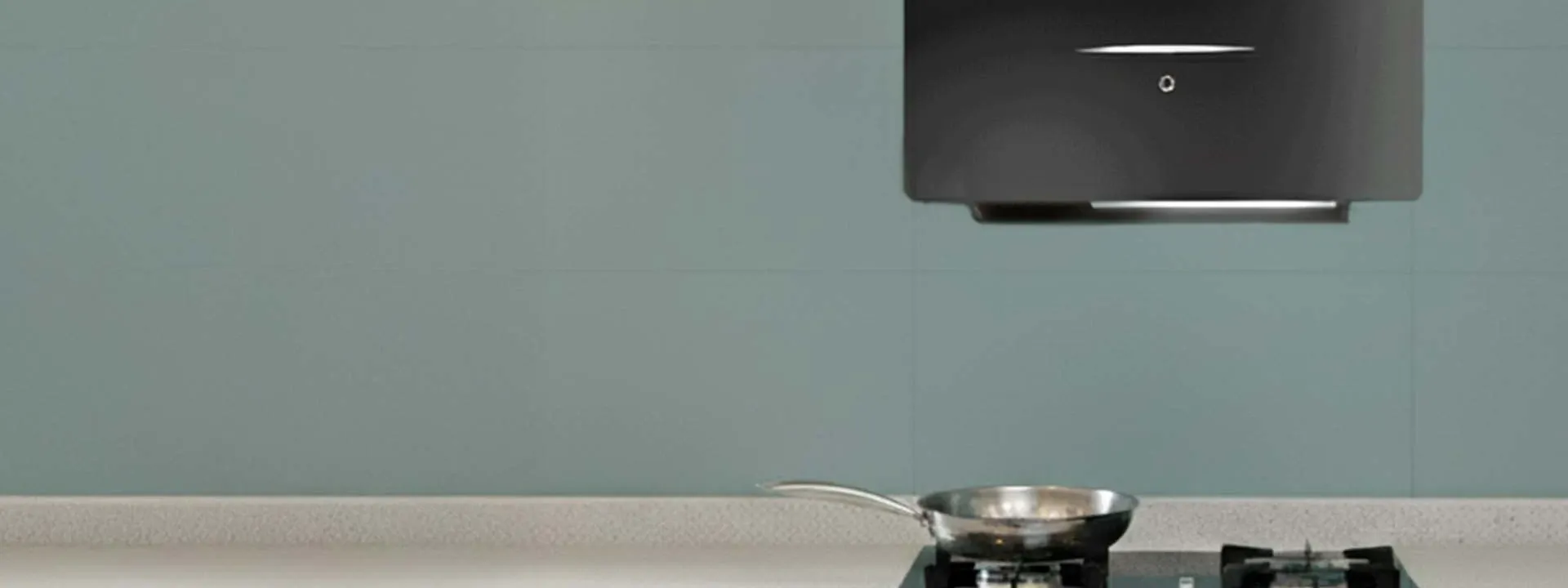
A perfectly level hob surface is crucial for safe cooking and optimal performance. Many homeowners struggle with uneven hob surface issues that can lead to poor heat distribution, safety hazards, and premature appliance wear. Whether you're dealing with a new installation or suspect your existing cooktop has developed problems, knowing how to detect uneven slab under hob can save you from costly repairs and potential accidents. Professional detection methods help identify problems early, ensuring your kitchen remains both functional and safe for daily cooking activities.
An uneven cooking surface creates multiple safety and performance issues that extend far beyond simple inconvenience. When your hob sits on an unlevel foundation, heat distribution becomes inconsistent across burners, leading to uneven cooking results and potential hot spots that can damage cookware. Detecting uneven cooktop problems early prevents serious safety hazards. Unlevel surfaces can cause gas connections to stress and potentially leak, while electric hobs may develop electrical faults due to component strain. Cookware becomes unstable on tilted surfaces, increasing the risk of spills, burns, and accidents during food preparation. Energy efficiency suffers significantly with surface irregularities. Gaps between the hob and surrounding counter create heat loss, forcing your appliance to work harder and consume more energy. This increased workload shortens appliance lifespan and raises utility costs over time.
Professional surface detection requires the right tools for accurate measurement and assessment. A quality spirit level remains the most reliable tool for basic levelness checks, providing clear bubble indicators that show even minor deviations from true horizontal. Laser levels offer precision measurement capabilities for advanced detection work. These tools project perfectly straight lines across surfaces, making it easy to identify high and low spots that might escape notice during visual inspection. Digital angle finders provide exact degree measurements for documenting surface variations. Basic household items can serve as backup detection tools. A straight metal ruler or carpenter's square helps identify obvious surface irregularities, while feeler gauges measure gap distances with precision. Even smartphone apps with built-in level functions can provide useful preliminary assessments.
These proven techniques help identify surface problems quickly and accurately, from simple visual checks to precision measurement approaches.
Place a quality spirit level across multiple points on your hob surface, checking both front-to-back and side-to-side orientations. The bubble should center perfectly between the marked lines for a level surface. Test at least six different positions to ensure comprehensive coverage.
Place several small water drops across the hob surface when cool and clean. Water naturally flows toward the lowest points, revealing subtle slopes invisible to the naked eye. This simple test quickly identifies problem areas requiring further investigation.
Position a long, straight ruler or metal straightedge across the surface in multiple directions. Look for gaps between the tool and surface, which indicate high or low spots. Measure gap distances with feeler gauges for precise documentation.
Place a flat-bottom pan on each burner and gently rock it. Stable cookware sits firmly without wobbling, while unstable pans indicate surface irregularities. This practical test simulates real cooking conditions and identifies functional problems.
Set up a laser level to project lines across the entire hob surface. Deviations from the laser line clearly show surface variations. This method provides the most accurate measurements for professional-grade assessment.
Use digital angle finders to measure exact surface angles at multiple points. Record measurements to create a detailed surface map showing problem areas. This data helps determine whether professional intervention is necessary.
Examine the entire installation for obvious signs of problems. Look for visible gaps between the hob and counter, stress cracks in surrounding materials, or obvious tilting. Check mounting hardware for looseness or damage.
Several warning signs indicate potential hob installation issues that require immediate attention. Visible gaps between the appliance and surrounding counter often signal settling or improper initial installation. Cookware behavior provides clear problem indicators. Pans that slide toward one side during cooking or fail to sit flat against burners suggest significant surface irregularities. Uneven heating patterns across identical burners also indicate levelness problems. Uneven kitchen counter surfaces create ongoing maintenance challenges. Cleaning becomes difficult around raised or sunken areas, while food debris accumulates in gaps. These problems worsen over time without proper correction. Stress indicators in surrounding materials signal serious structural issues. Cracks in countertops, loose tiles, or separating joints around the hob installation suggest foundation problems requiring professional assessment.
Minor levelness issues often respond well to simple DIY corrections, while major problems require professional expertise. Understanding when to attempt repairs yourself versus calling experts protects both your safety and appliance warranty. Simple shimming techniques can correct minor variations in leveling a hob. Thin metal or plastic shims placed under low corners often restore proper levelness for small deviations. Adjustable leg mechanisms on some models allow direct height correction. Major structural problems exceed DIY capabilities and require professional intervention. Gas line modifications, electrical work, or significant counter reconstruction need qualified technicians. Attempting complex repairs yourself may void warranties and create safety hazards.
Compact kitchen design presents unique challenges for proper hob installation and levelness maintenance. Limited space constraints require careful planning to ensure adequate support and proper ventilation around cooking appliances. Modern hob installation techniques emphasize precision measurement and proper substrate preparation. Contemporary materials and installation methods provide better long-term stability when properly executed by qualified professionals. Space optimization in compact kitchens requires careful consideration of structural support requirements. Ensure adequate reinforcement exists beneath the installation area to prevent settling and maintain levelness over time.
Regular inspection schedules help identify problems before they become serious issues. Check your hob levelness monthly using simple spirit level tests, documenting any changes over time. Proper cleaning techniques prevent damage that could affect surface levelness. Avoid harsh chemicals or abrasive materials that might damage mounting hardware or surrounding surfaces. Clean spills immediately to prevent corrosion or material degradation. Monitor for gradual settling, especially in newer homes where foundation settling commonly occurs. Document any changes in levelness to track problem progression and determine when professional intervention becomes necessary.
Perform basic levelness checks monthly using a spirit level. Schedule professional assessments annually or whenever you notice cooking performance changes or visible installation problems.
Yes, unlevel installation can stress gas connections and potentially cause leaks. If you smell gas or suspect connection problems, shut off the gas supply immediately and contact a qualified technician.
Most manufacturers specify maximum deviation of 1-2 millimeters across the surface. Variations exceeding this tolerance may affect performance and safety.
Improper installation, including unlevel mounting, typically voids manufacturer warranties. Ensure professional installation to maintain warranty coverage.
Minor adjustments using shims or adjustable legs are often DIY-friendly. However, gas appliances and major structural issues require professional service.
Professional leveling services typically cost between INR 2,000-5,000, depending on the complexity of required corrections and local service rates.
Detecting surface irregularities early prevents serious safety hazards and performance problems. Use multiple detection methods for comprehensive assessment, combining simple tools like spirit levels with more advanced techniques when necessary. Professional installation and regular maintenance ensure long-term levelness and optimal performance. While minor adjustments may be DIY-friendly, complex problems require qualified technician intervention to maintain safety and warranty coverage. Regular monitoring helps identify problems before they become costly repairs.
