

7 Pro Tips: Calculate Chimney Duct Size Now
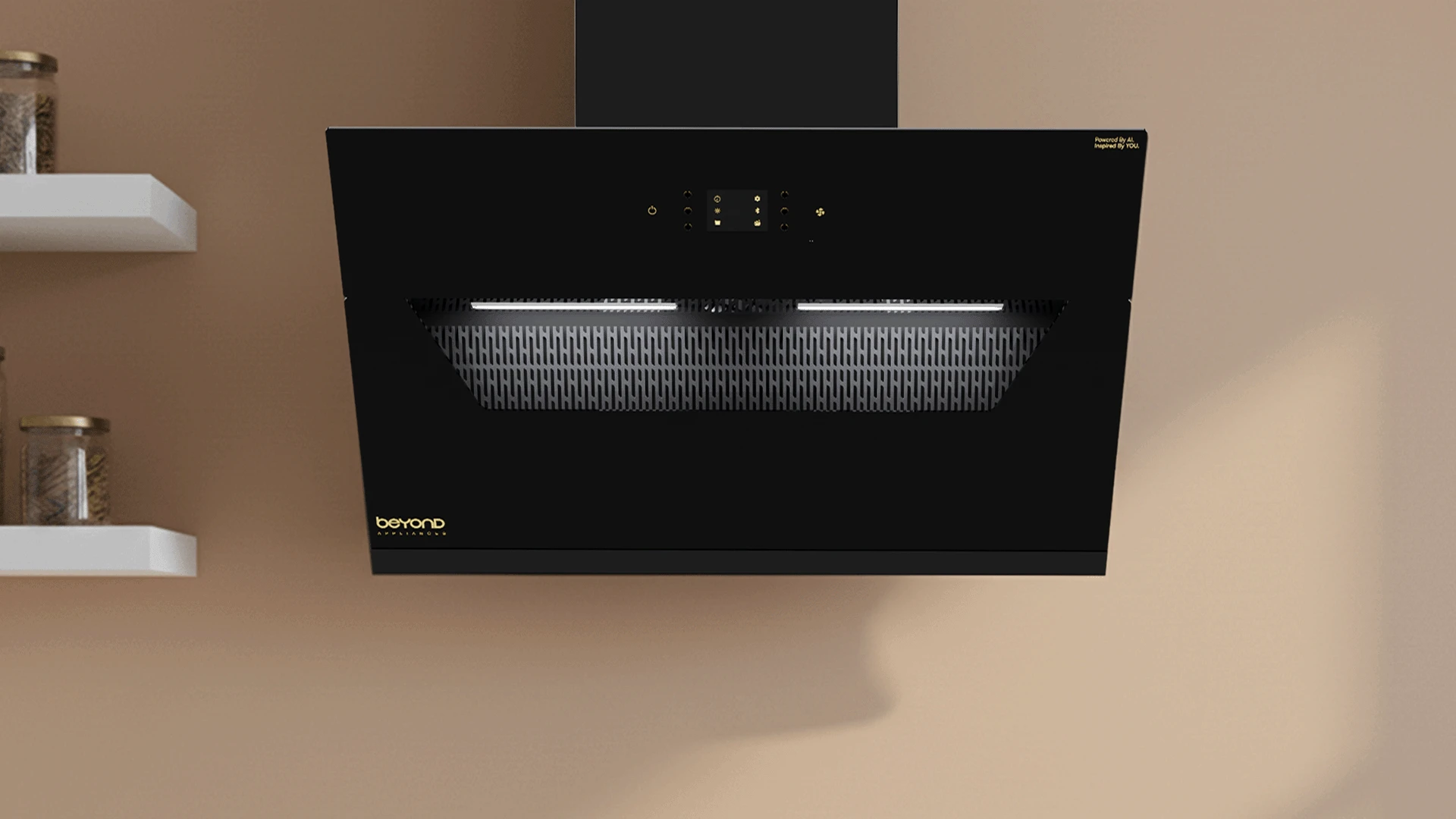
Getting the right chimney duct size is crucial for your kitchen's safety and efficiency. Many homeowners struggle with this calculation, leading to poor ventilation, smoke problems, or even safety hazards. Whether you're installing a new chimney or upgrading your existing system, understanding how to calculate duct size for chimney systems will save you time, money, and frustration. The right sizing ensures optimal performance while meeting safety standards and building codes.
Chimney duct sizing forms the backbone of effective kitchen ventilation. The duct carries smoke, grease, and odors away from your cooking area, making proper sizing essential for performance and safety.
Proper chimney duct sizing directly affects your kitchen's air quality and safety. An undersized duct creates back pressure, forcing smoke and fumes back into your kitchen. Oversized ducts waste energy and reduce suction efficiency.
Several elements influence your duct size requirements: • Appliance BTU output - Higher heat output needs larger ducts • Chimney height - Taller installations create more natural draft • Number of bends - Each turn reduces airflow efficiency • Duct material - Smooth surfaces allow better airflow than rough ones
Accurate measurements form the foundation of proper chimney sizing. Start by gathering specific data about your cooking appliances and installation requirements.
Calculate the total BTU output of all appliances connected to your chimney. Gas cooktops typically range from 30,000 to 60,000 BTUs, while commercial-style ranges can exceed 100,000 BTUs. This figure determines your minimum duct size requirements.
Measure the vertical distance from your appliance to the chimney exit point. Taller chimneys create stronger natural draft, which can allow for slightly smaller duct sizes. However, horizontal runs reduce this effect and may require larger ducts to maintain proper airflow.
Several proven methods help determine the correct duct diameter for chimney installations. Professional contractors use these techniques to ensure optimal performance and code compliance.
The basic formula for flue size calculation uses this approach: Duct Area (square inches) = Total BTU ÷ 130 For round ducts, convert this area to diameter using: Diameter = √(Area ÷ 0.785)
Professional sizing charts provide quick reference for common installations. These charts factor in appliance type, BTU output, and installation height to recommend appropriate duct sizes.
These professional techniques ensure accurate sizing for optimal chimney performance. Each tip addresses common challenges faced during installation and sizing calculations.
Always size your duct based on the maximum BTU output of connected appliances. Add 25% capacity for future upgrades or high-demand cooking situations. This prevents undersizing issues that cause poor ventilation.
Taller chimneys create stronger natural draft, improving ventilation efficiency. For every 10 feet of height above minimum requirements, you can reduce duct diameter by approximately 5%. However, never go below manufacturer minimums.
When connecting multiple appliances, calculate the combined BTU load. Use the largest single appliance output plus 50% of additional appliances' output for sizing calculations. This prevents overloading during simultaneous use.
Each 90-degree elbow reduces airflow by approximately 15%. Count all bends in your ductwork and increase duct size accordingly. Minimize bends where possible to maintain optimal airflow.
Insulated ducts maintain higher temperatures, improving draft and reducing condensation. Factor insulation thickness into your space calculations. Stainless steel liners may require slightly larger outer ducts.
Size ducts for potential future upgrades rather than current appliances only. This forward-thinking approach saves costly modifications later. Consider trending toward higher-BTU appliances in modern kitchens.
Building codes vary by location and may mandate minimum duct sizes regardless of calculations. Check local requirements before finalizing your sizing decisions. Some areas require professional inspection and approval.
Today's kitchen designs emphasize space efficiency and clean aesthetics. Modern chimney solutions like ductless systems offer alternatives to traditional ducted installations.
Compact chimney design often requires creative ductwork routing. Consider using rectangular ducts in tight spaces, as they can fit between joists more easily than round ducts while maintaining similar airflow capacity.
Ductless systems eliminate sizing calculations entirely while offering installation flexibility. These units filter and recirculate air rather than exhausting it outside. No core cutting, no ducting required - they install directly on the wall without breaking walls or installing ducting pipes. With 10-minute installation using just 2 screws, these systems offer ultimate convenience.
Understanding common mistakes helps prevent costly installation problems and performance issues. These errors often result from inadequate planning or incorrect calculations.
Undersized ducts create back pressure, forcing smoke and odors back into your kitchen. This reduces air quality and can pose health risks. Undersized systems also work harder, increasing energy costs and reducing equipment lifespan.
While less common, oversized ducts reduce velocity and suction efficiency. They also cost more to install and may not meet minimum velocity requirements for proper draft. Balance is key in chimney ventilation size selection.
Proper installation ensures your correctly sized ductwork performs as intended. Professional installation also guarantees code compliance and warranty protection. Building codes specify minimum requirements for chimney installations, including duct sizing, materials, and clearances. Professional installers understand these requirements and ensure compliance. They also provide proper testing and commissioning to verify system performance. Many manufacturers require professional installation to maintain warranty coverage. This protection proves valuable if issues arise with your chimney system.
For a 60,000 BTU appliance, you typically need a 7-inch round duct or equivalent rectangular duct. This calculation uses the standard formula: 60,000 ÷ 130 = 462 square inches, requiring approximately 7-inch diameter.
Taller chimneys create stronger natural draft, potentially allowing smaller duct sizes. However, never reduce below manufacturer minimums. Each additional 10 feet of height may allow 5% diameter reduction.
Yes, but size the duct for combined BTU output. Use the largest appliance's full output plus 50% of additional appliances' output for proper sizing calculations.
Round ducts provide better airflow efficiency due to reduced friction. Square or rectangular ducts with equivalent cross-sectional area work but may require slightly larger sizes to achieve similar performance.
Recalculate when adding new appliances, modifying ductwork routes, or upgrading existing equipment. Annual reviews help identify potential issues before they become problems.
Proper chimney duct sizing ensures safe, efficient kitchen ventilation while meeting building codes and manufacturer requirements. Use professional calculation methods, account for all system factors, and consider future needs when sizing your ductwork. Whether choosing traditional ducted systems or modern ductless alternatives, proper sizing and professional installation guarantee optimal performance and long-term satisfaction.
