

7 Powerful Chimney Suction Features Explained
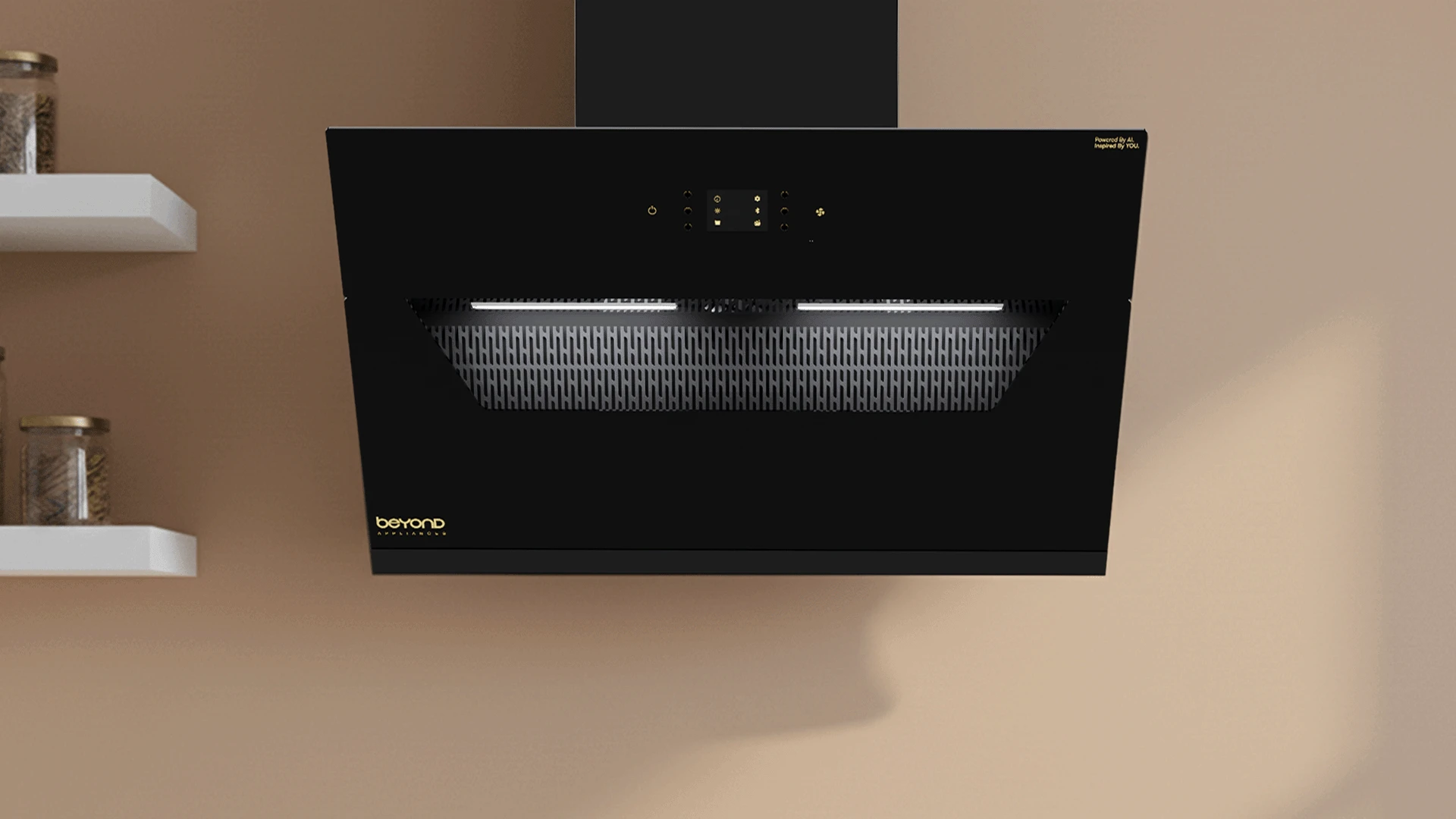
Modern kitchen ventilation has evolved dramatically, with chimney features suction power becoming the cornerstone of effective cooking environments. Today's homemakers demand more than basic smoke removal – they need powerful, efficient systems that handle everything from light sautéing to heavy Indian cooking. Understanding the seven key suction features can transform your kitchen experience, ensuring clean air, reduced odors, and a more comfortable cooking space. Whether you're renovating or building new, these advanced ventilation technologies offer solutions for every kitchen size and cooking style.
Chimney suction represents the heart of any effective kitchen chimney system. This powerful technology measures airflow capacity in cubic meters per hour (m³/hr), determining how efficiently your range hood removes smoke, grease particles, and cooking odors from your kitchen space.
Effective suction technology operates on simple physics – creating negative pressure that draws contaminated air through filters and exhausts it outside. Modern systems achieve this through advanced motor designs and optimized airflow patterns. The measurement standards help homeowners select appropriate capacity for their specific needs.
Calculating proper suction capacity follows a straightforward formula: kitchen length × width × height × 10. Small kitchens typically require 700-1200 m³/hr, while larger spaces need 1300-1500 m³/hr capacity. Open kitchen designs demand higher specifications due to increased air circulation needs.
Advanced modern chimney designs incorporate sophisticated speed control mechanisms that adapt to different cooking intensities. These systems provide precise airflow management, optimizing performance while minimizing energy consumption and noise levels.
Premium models offer 3-speed to 9-speed motion control systems. Low speeds (400-600 m³/hr) handle light cooking tasks, while maximum settings (1200-1650 m³/hr) tackle heavy Indian cooking with multiple burners operating simultaneously.
Automatic speed adjustment features detect cooking intensity and adjust suction accordingly. Manual controls provide flexibility for specific cooking methods, ensuring optimal performance across diverse culinary activities.
Motor technology forms the foundation of superior chimney suction performance. Modern ventilation systems utilize BLDC (Brushless Direct Current) motors that deliver exceptional efficiency compared to traditional alternatives.
130W BLDC motors provide remarkable energy efficiency while maintaining powerful suction capabilities. These motors operate with whisper-quiet performance, reducing kitchen noise pollution significantly. Extended lifespan and minimal maintenance requirements make them ideal for daily cooking demands.
Higher wattage motors generate increased suction capacity, but efficiency matters more than raw power. Optimal motor specifications balance performance with energy consumption, providing sustained operation without excessive electricity usage.
Filter technology directly impacts chimney features effectiveness, determining how efficiently grease particles and odors are captured. Advanced filtration systems combine multiple layers for comprehensive air purification.
5-layer mesh designs create turbulent airflow patterns that separate grease particles effectively. These filters maintain consistent performance over extended periods, requiring minimal cleaning compared to traditional alternatives.
Self-cleaning mechanisms reduce maintenance burden significantly. These systems automatically remove accumulated grease and particles, maintaining optimal suction performance without frequent manual intervention.
Compact chimney designs maximize space efficiency without compromising suction capabilities. Modern engineering achieves remarkable performance in minimal footprints, perfect for contemporary kitchen layouts.
60cm wide models deliver 900 m³/hr suction capacity while occupying minimal wall space. These units integrate seamlessly with standard cooktop configurations, providing professional-grade ventilation in compact formats.
Sleek profiles complement modern kitchen aesthetics without overwhelming visual design. Multiple finish options ensure seamless integration with existing décor themes and color schemes.
Contemporary kitchen ventilation systems incorporate intelligent control mechanisms that enhance user experience. These features simplify operation while providing comprehensive performance monitoring capabilities.
Intuitive touch panels replace traditional switches, offering precise control over all functions. LED indicators provide clear feedback on current settings and operational status.
Smart reminder systems notify users when filter cleaning or service is required. These features prevent performance degradation and extend equipment lifespan through proactive maintenance scheduling.
Indian cooking presents unique challenges requiring specialized chimney design considerations. High-heat cooking, oil-based preparations, and aromatic spices demand robust ventilation solutions.
1350 m³/hr performance handles intense cooking sessions with multiple burners operating simultaneously. These systems effectively manage oil vapors and high-temperature cooking byproducts.
Enhanced grease separation capabilities handle oil-heavy cooking styles effectively. Powerful suction eliminates strong spice aromas and masala preparation odors completely.
Choosing appropriate suction technology requires careful consideration of kitchen size, cooking habits, and performance expectations. Understanding these factors ensures optimal investment in ventilation infrastructure.
Small kitchens (up to 200 sq ft) perform well with 700-1200 m³/hr capacity. Larger spaces (300+ sq ft) require 1300-1500 m³/hr for effective air circulation and contaminant removal.
Essential features include adequate suction capacity, reliable motor technology, and effective filtration. Premium features like auto-clean and smart controls provide convenience but aren't mandatory for basic functionality.
Small kitchens need 700-1200 m³/hr, while large kitchens require 1300-1500 m³/hr. Calculate using kitchen volume × 10 formula for precise requirements.
Yes, 1350 m³/hr provides excellent performance for large kitchens and heavy Indian cooking styles. This capacity handles multiple burners and high-heat cooking effectively.
Measure kitchen dimensions, multiply length × width × height × 10. Consider cooking frequency and style when selecting capacity above minimum requirements.
Motor type, filter condition, installation height, and ductwork design all impact performance. Regular maintenance and proper installation ensure optimal efficiency.
Baffle filters need cleaning every 2-3 months with regular cooking. Heavy cooking requires monthly cleaning for optimal performance maintenance.
Understanding these seven powerful suction features empowers informed decisions about kitchen ventilation investments. Variable speed controls, advanced motors, innovative filters, compact designs, smart interfaces, specialized Indian cooking features, and proper sizing create comprehensive solutions for modern kitchens. Quality ventilation systems enhance cooking experiences while maintaining healthy indoor air quality. Consider your specific needs, kitchen size, and cooking habits when selecting features that provide long-term value and performance satisfaction.
