

7 Key Differences: Induction Coil vs Gas Flame
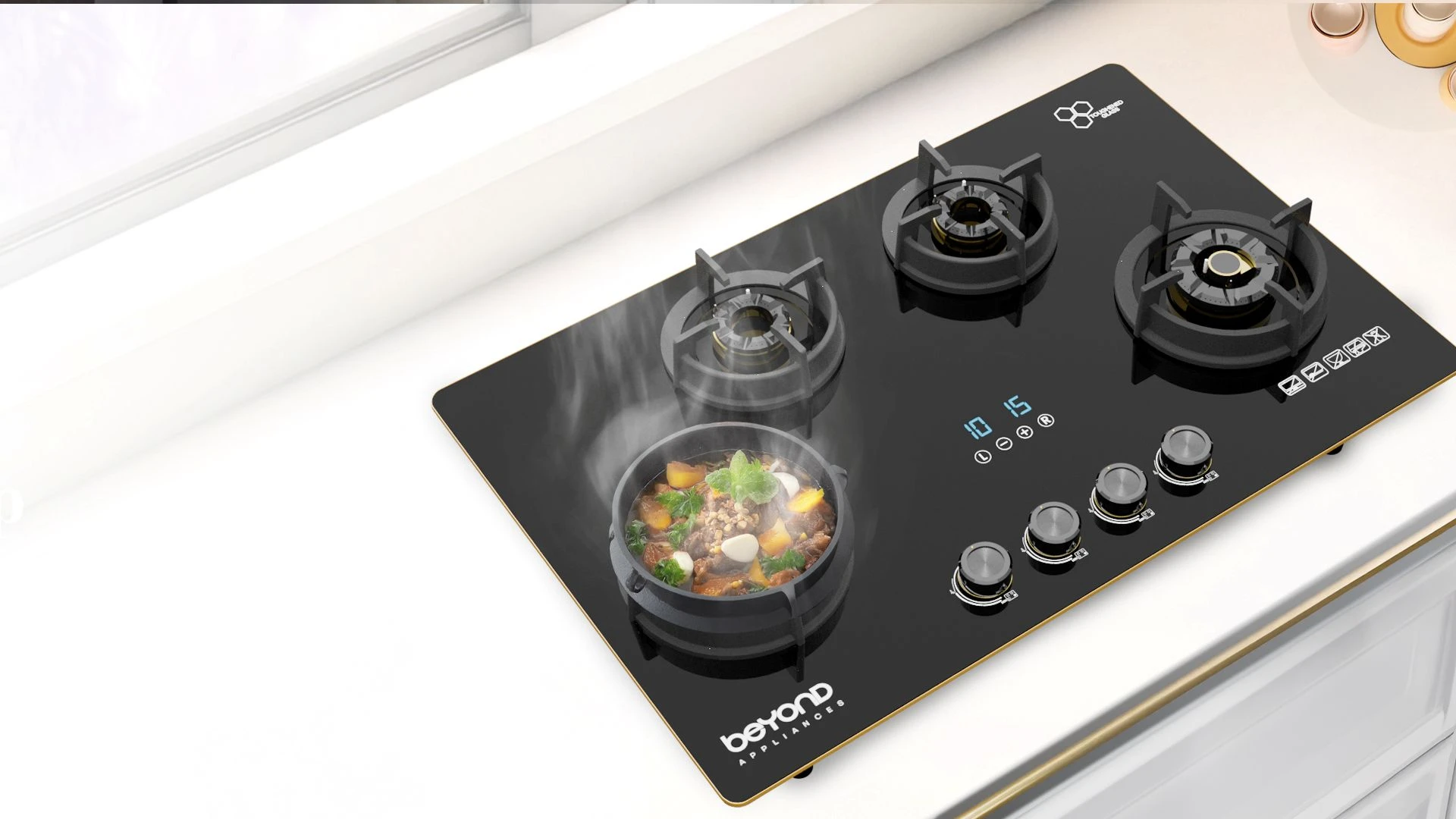
Choosing between an induction coil vs gas flame cooking system can transform your kitchen experience. Both technologies offer unique advantages that cater to different cooking styles, budget considerations, and lifestyle preferences. Modern homemakers face this crucial decision when upgrading their kitchen appliances, especially when considering factors like energy efficiency, safety features, and cooking performance. Understanding the fundamental differences between induction cooking and gas cooking helps you make an informed choice that aligns with your culinary needs and kitchen design goals.
The core difference between induction cooktop and gas cooktop systems lies in their heat generation methods. This fundamental distinction affects everything from energy consumption to cooking precision.
Induction cooktops use electromagnetic fields to generate heat directly in compatible cookware. The cooktop surface remains relatively cool while the pot or pan heats up instantly. This technology requires ferromagnetic cookware like cast iron or stainless steel with magnetic properties. The electromagnetic coils beneath the glass surface create a magnetic field that induces electrical currents in the cookware, generating heat through resistance.
Gas cooktops burn natural gas or LPG to create an open flame that transfers heat to cookware through direct contact. The flame provides immediate visual feedback and allows for traditional cooking techniques like charring and flambéing. Gas burners offer variable flame sizes and can accommodate any type of cookware material, from aluminum to copper.
The cooking appliance comparison reveals significant differences in energy transfer efficiency between these two technologies. Understanding these metrics helps evaluate long-term operational costs and environmental impact.
Induction cooktops achieve 85-90% energy transfer efficiency, meaning most electrical energy converts directly to heat in the cookware. This high efficiency results from the direct heating method that eliminates heat loss to surrounding air. Induction benefits include faster cooking times, with water boiling up to 50% quicker than gas alternatives. The precise temperature control allows for consistent results and reduces energy waste during cooking.
Gas cooktops typically achieve 40-50% efficiency rates due to heat loss around the cookware. The open flame heats the surrounding air, reducing overall energy transfer to food. However, gas flame advantages include instant heat adjustment and the ability to continue cooking during power outages. Professional chefs often prefer gas for its immediate response to flame adjustments and visual cooking cues.
Evaluating the total cost of ownership involves examining initial purchase prices, installation requirements, and ongoing operational expenses. Both systems present different financial implications for homeowners.
Induction cooktops generally cost INR 15,000 to INR 50,000 for quality models, while gas cooktops range from INR 8,000 to INR 30,000. Installation costs vary significantly, with gas systems requiring professional pipeline connections and safety inspections. Induction units need adequate electrical supply but typically involve simpler installation processes. Additional cookware investment may be necessary for induction cooking if existing pots and pans lack magnetic properties.
Electricity costs for induction cooking depend on local utility rates, typically ranging from INR 3-6 per unit. Gas prices remain relatively stable, with LPG cylinders costing around INR 800-1,000. The higher efficiency of induction cooktops often compensates for electricity costs, especially in regions with competitive power rates. Maintenance costs favor induction systems due to fewer moving parts and no gas line servicing requirements.
Safety considerations play a crucial role in kitchen appliance selection, particularly in households with children or elderly family members. Both technologies offer distinct safety profiles with unique advantages and precautions.
Induction cooktops feature cool-touch surfaces that remain safe even during cooking. Automatic shut-off functions activate when cookware is removed, preventing accidental activation. Child safety locks disable controls, and overheat protection prevents damage from excessive temperatures. The absence of open flames eliminates fire risks and reduces kitchen accidents significantly.
Gas cooktops require proper ventilation to prevent carbon monoxide buildup and ensure air quality. Flame failure safety devices automatically shut off gas supply if flames extinguish unexpectedly. Regular maintenance includes checking gas connections and ensuring proper burner operation. Open flame cooking demands constant attention and appropriate fire safety measures in the kitchen.
Cooktop efficiency extends beyond energy consumption to include cooking performance, heat distribution, and culinary versatility. Professional and home cooks evaluate these factors when choosing cooking appliances.
Induction cooking offers precise temperature control with digital displays and programmable settings. Heat levels adjust instantly with electronic controls, maintaining consistent temperatures for delicate cooking techniques. Gas flames provide visual feedback but require manual adjustment and experience to maintain steady temperatures. The immediate response of gas flames appeals to cooks who prefer hands-on temperature management.
Induction cooktops heat cookware evenly across the entire base, reducing hot spots and ensuring uniform cooking results. Gas flames create concentrated heat zones that may require cookware movement for even heating. Wok cooking and high-heat techniques often perform better on gas cooktops due to flame flexibility and intense heat generation capabilities.
Modern kitchen cooktops must complement contemporary design aesthetics while providing functional cooking solutions. Space constraints and visual appeal influence appliance selection in today's homes.
Compact cooktops in induction format offer sleek, minimalist appearances that integrate seamlessly with modern countertops. The flat glass surface provides easy cleaning and maintains clean lines in kitchen design. Gas cooktops require raised burner grates and control knobs that create visual bulk but offer traditional cooking appeal. Portable induction units provide flexibility for small kitchens or temporary cooking needs.
Induction surfaces clean easily with simple wiping, maintaining their appearance over time. Gas cooktops require regular cleaning of burner grates, drip pans, and control areas. The smooth induction surface eliminates crevices where food particles accumulate, supporting hygienic cooking environments. Gas cooktops offer classic styling that appeals to traditional kitchen designs and cooking enthusiasts.
Both methods excel in different areas. Induction offers precise temperature control ideal for delicate sauces and consistent results. Gas provides immediate heat adjustment and high-temperature capabilities preferred for wok cooking and flambéing techniques.
Induction requires ferromagnetic cookware. Test your existing pots and pans with a magnet - if it sticks strongly to the bottom, the cookware will work with induction. Stainless steel and cast iron typically work well.
Gas cooking offers instant heat adjustment, works with any cookware material, continues operating during power outages, and provides visual cooking cues through flame appearance. Many professional chefs prefer gas for its immediate responsiveness.
Compact induction units maintain full cooking performance in smaller sizes, while compact gas cooktops may have reduced burner capacity. Both options work well for small kitchens, with induction offering easier installation and cleaning.
The choice between induction coil vs gas flame cooking depends on your specific needs, cooking style, and kitchen requirements. Induction excels in energy efficiency, safety features, and precise temperature control, making it ideal for modern kitchens prioritizing convenience and performance. Gas cooking appeals to traditional cooking enthusiasts who value immediate heat response and versatile cooking techniques. Consider your budget, existing kitchen infrastructure, cooking preferences, and long-term goals when making this important appliance decision. Both technologies offer excellent cooking results when properly matched to your culinary needs and lifestyle requirements.
