

7 Key Differences: Ducted vs Ductless Chimney Hoods
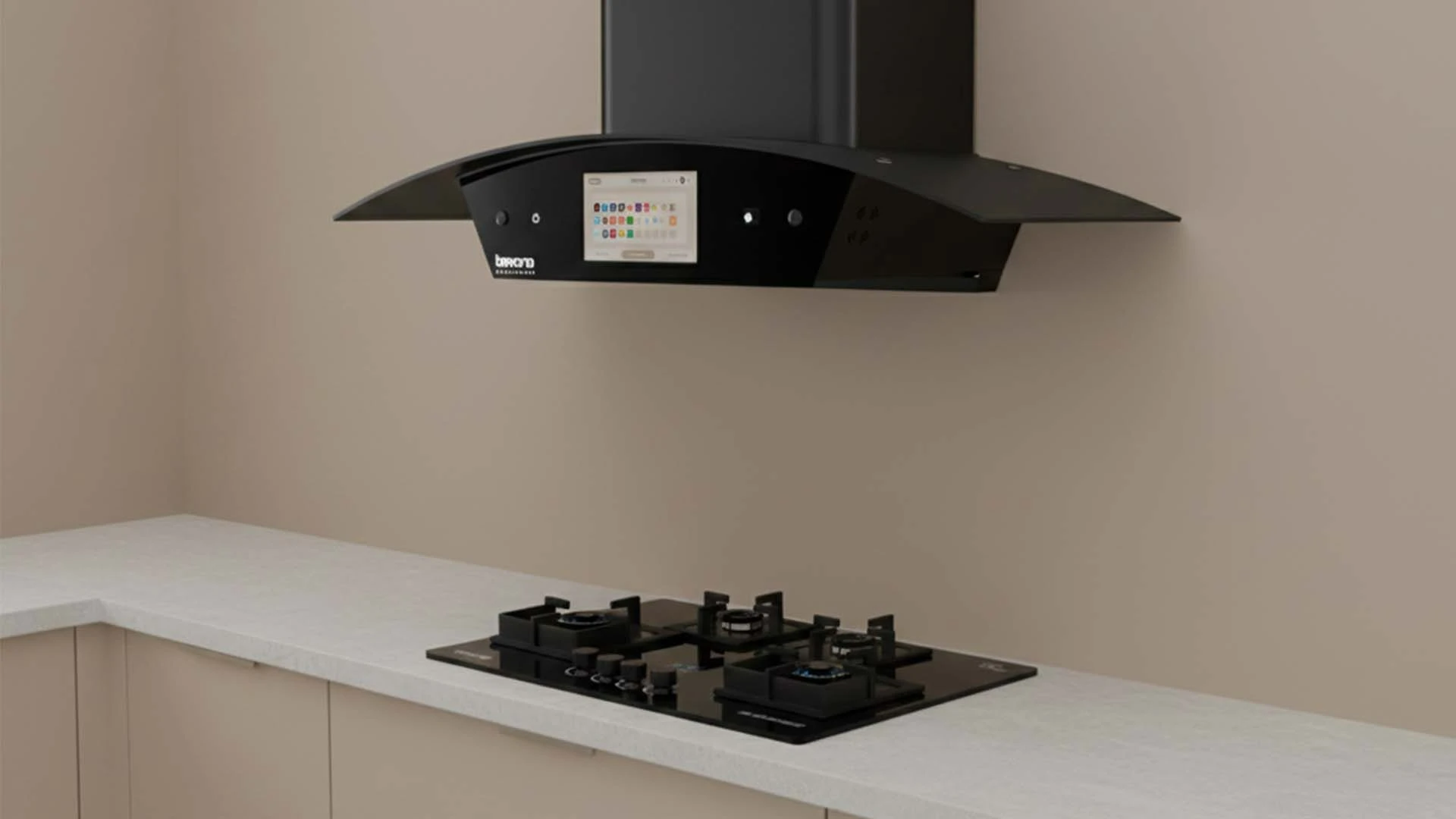
Choosing the right kitchen ventilation system can make or break your cooking experience. Whether you're dealing with heavy Indian cooking or light meal preparation, understanding the differences between ducted chimney vs ductless chimney systems is crucial for making an informed decision. Both systems serve the same basic purpose but work in fundamentally different ways, each with distinct advantages and limitations that can significantly impact your kitchen's functionality and your cooking comfort.
A ducted range hood connects to external ductwork that channels smoke, grease, and odors directly outside your home. This system provides complete air removal, making it highly effective for intensive cooking. The ducted chimney works by creating a direct pathway for contaminated air to exit, ensuring fresh air circulation in your kitchen. A ductless range hood, also called a recirculating range hood, filters the air through charcoal and grease filters before returning it to your kitchen. This ventless hood system doesn't require external venting, making it perfect for apartments or homes where ductwork installation isn't feasible.
Understanding these key differences will help you choose the perfect ventilation system for your specific needs and cooking habits.
Ducted chimney systems excel in performance by completely removing contaminated air from your kitchen. They handle heavy cooking with spices, oils, and strong odors more effectively. The suction power remains consistent since there's no filter resistance, making them ideal for Indian cooking styles. Ductless chimney systems filter and recirculate air, which reduces their effectiveness with intense cooking. While modern filters have improved significantly, they cannot match the complete air removal that ducted systems provide.
Range hood installation for ducted systems requires professional expertise, ductwork routing, and external wall access. The installation process involves cutting through walls, running ducts, and ensuring proper sealing. This complexity increases both time and cost. Ductless systems offer simple installation that many homeowners can handle themselves. They mount directly under cabinets or on walls without requiring external connections, making them perfect for compact kitchen design scenarios.
Ducted systems typically cost more upfront due to installation complexity and ductwork requirements. Professional installation can add INR 5,000 to INR 15,000 to your total investment. However, they require minimal ongoing maintenance costs. Ductless systems have lower initial costs but higher long-term expenses due to regular filter replacements. Charcoal filters need replacement every 3-6 months, costing INR 500 to INR 1,500 per replacement cycle.
Ducted systems require minimal maintenance beyond occasional duct cleaning and grease filter washing. The absence of charcoal filters reduces ongoing maintenance tasks and costs significantly. Ductless systems demand regular attention with grease filter cleaning every month and charcoal filter replacement every few months. This ongoing maintenance is essential for optimal performance but adds to the total cost of ownership.
Ducted systems require specific placement near external walls and sufficient space for ductwork routing. This limitation can restrict your modern kitchen ventilation design options and cabinet placement. Ductless systems offer complete design flexibility, allowing installation anywhere in your kitchen. They integrate seamlessly with contemporary designs and don't impose structural limitations on your kitchen layout.
For heavy cooking with oils and spices common in Indian cuisine, ducted systems provide superior performance. They handle high heat, strong odors, and grease more effectively, maintaining better air quality during intensive cooking sessions. Ductless systems work well for light to moderate cooking but may struggle with heavy, oily preparations. They're suitable for Western cooking styles or occasional Indian cooking but may not satisfy frequent heavy cooking needs.
Ducted systems typically consume less energy since they don't work against filter resistance. They provide better heat removal, reducing the load on air conditioning systems during cooking. Ductless systems may consume slightly more energy due to filter resistance but don't affect your home's heating or cooling efficiency since they recirculate conditioned air.
Your cooking habits, kitchen layout, and installation possibilities should guide your decision. Heavy cooking enthusiasts benefit most from ducted systems, while occasional cooks or apartment dwellers often find ductless systems perfectly adequate. Consider your long-term plans too. If you're renovating or building new, installing ductwork becomes easier and more cost-effective. For existing kitchens without ductwork, ductless systems provide immediate solutions without major modifications.
Ducted chimneys are generally better for Indian cooking due to their superior ability to handle heavy oils, spices, and strong odors. They provide complete air removal rather than filtration, making them more effective for intensive cooking styles.
Ductless chimneys can handle moderate cooking but may struggle with very heavy, oily cooking. Their effectiveness depends on filter quality and regular maintenance. For occasional heavy cooking, they work adequately, but daily intensive cooking is better served by ducted systems.
Ducted systems typically cost INR 3,000 to INR 10,000 more initially due to installation complexity. However, ductless systems have higher ongoing costs with filter replacements costing INR 2,000 to INR 6,000 annually.
Grease filters need monthly cleaning, while charcoal filters require replacement every 3-6 months depending on cooking frequency. Heavy cooking may require more frequent replacements to maintain optimal performance.
Ducted chimney installation in apartments depends on building regulations and the availability of external venting options. Many apartments restrict external modifications, making ductless systems the only viable option.
Ductless systems work better for compact kitchens as they don't require ductwork space and offer more flexible installation options. They integrate seamlessly with modern compact designs without imposing structural constraints.
The choice between ducted chimney vs ductless chimney ultimately depends on your specific situation. Ducted systems excel in performance and long-term value for serious cooking enthusiasts, while ductless systems offer convenience and flexibility for moderate cooking needs. Consider your cooking habits, kitchen layout, installation possibilities, and budget to make the best decision for your home. Both systems have evolved significantly, and modern options in both categories can serve most households effectively when chosen appropriately.
