

7 Key Differences: Cooktop vs Gas Stove Revealed
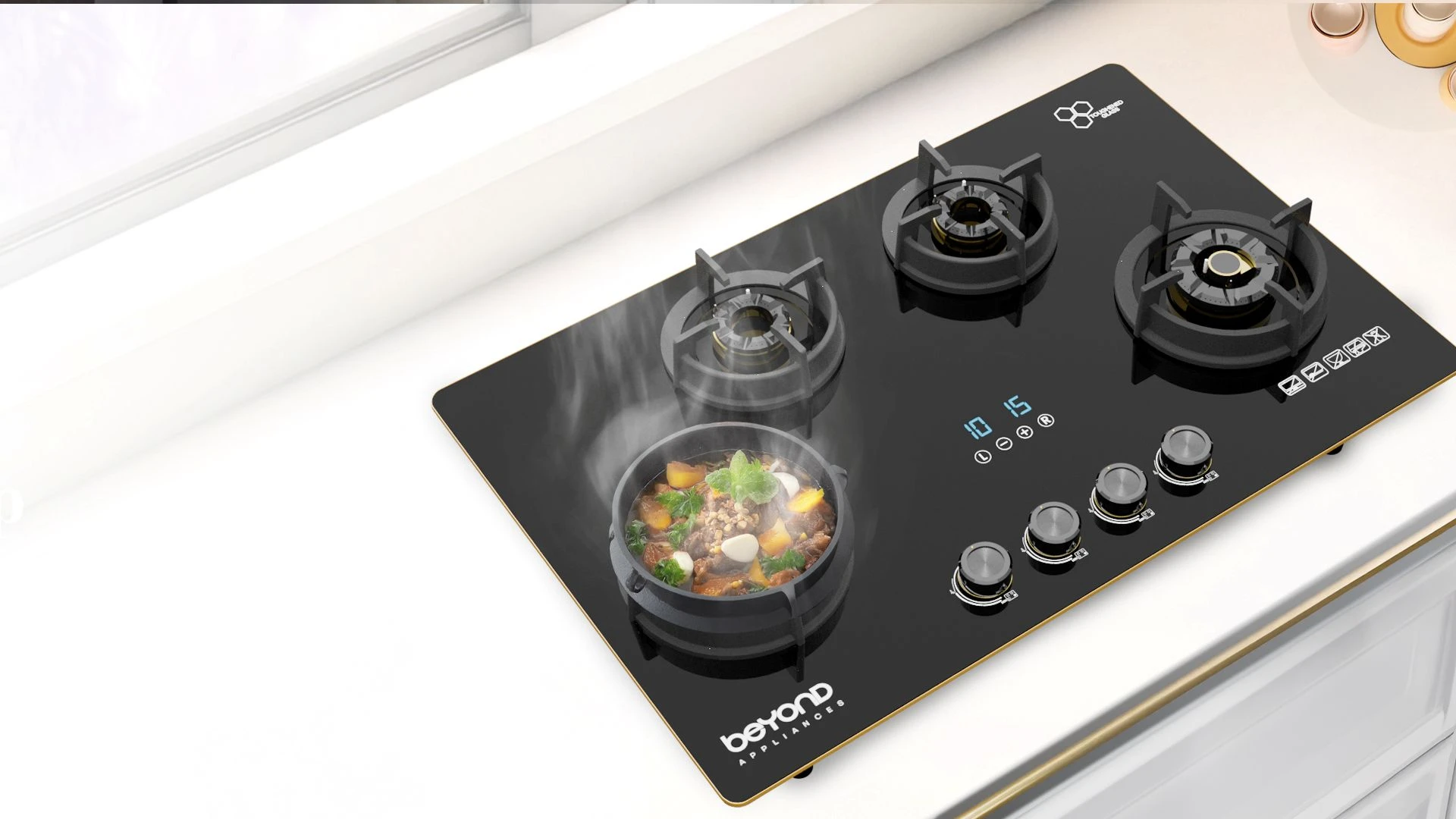
Choosing between a cooktop vs gas stove can feel overwhelming when planning your dream kitchen. Both options offer unique advantages for modern cooking, but understanding their key differences helps you make the right choice for your home. Whether you're renovating your kitchen or building from scratch, this guide reveals seven crucial differences that impact everything from installation costs to daily cooking performance. Let's explore how these kitchen appliances differ and which option suits your lifestyle best.
The main difference lies in design and installation approach. A cooktop is a built-in cooking surface that sits flush with your countertop, while a gas stove is a freestanding unit that includes both burners and an oven below. This fundamental distinction affects everything from kitchen aesthetics to functionality.
Cooktops create a seamless, modern look in your kitchen. They integrate directly into your countertop, making cleaning easier and maximizing counter space. Gas stoves, on the other hand, are complete cooking range units that stand independently and often serve as kitchen focal points.
Many people use these terms interchangeably, but they represent different kitchen appliances. A gas cooktop specifically refers to the built-in version, while a gas stove includes the entire appliance with oven compartment.
Installation requirements vary significantly between these options. Cooktops need professional installation with precise cutouts in your countertop, while gas stoves simply require proper positioning and gas line connection. This difference impacts both initial setup costs and kitchen design flexibility.
Installing a cooktop requires cutting your countertop to exact specifications. Professional installation ensures proper ventilation and gas connections. The process typically takes 2-3 hours and costs between INR 3,000 to INR 8,000 depending on complexity.
Gas stoves offer more flexibility since they don't require countertop modifications. You can easily relocate them during kitchen rearrangements. This makes them ideal for rental properties or temporary kitchen setups.
Cooktops maximize counter space by sitting flush with the surface. This creates additional prep area around the cooking zone. Gas stoves occupy floor space but don't interfere with countertop workflow.
Both options deliver excellent cooking performance, but their heat distribution and control mechanisms differ. Understanding these performance variations helps you choose based on your cooking style and preferences.
Gas cooktops provide instant heat control with visible flame adjustment. The heat distributes evenly across cookware bottoms, making them ideal for techniques requiring precise temperature changes. Electric cooktop and induction cooktop alternatives offer different heat patterns but may lack the immediate responsiveness of gas.
Gas burners allow immediate temperature adjustments, crucial for delicate cooking techniques. You can see flame size changes instantly, providing better control over cooking processes. This visual feedback helps prevent overcooking and burning.
Gas cooktops typically operate more efficiently than traditional gas stoves because they focus heat directly on cookware. However, induction cooktop models surpass both in energy efficiency, converting up to 90% of energy into heat.
Cost considerations extend beyond initial purchase prices. Installation expenses, operating costs, and maintenance requirements all impact your total investment over time.
Basic gas stoves start around INR 8,000 to INR 15,000, while quality cooktops begin at INR 12,000 to INR 25,000. Premium models in both categories can exceed INR 50,000, depending on features and brand quality.
Gas stove installation typically costs INR 1,500 to INR 3,000 for basic setup. Cooktop installation ranges from INR 3,000 to INR 8,000 due to countertop modifications and precise fitting requirements.
Both options use similar amounts of gas for cooking, so monthly operating costs remain comparable. However, cooktops may offer slight efficiency advantages due to better heat concentration and reduced heat loss.
The market offers various configurations in both categories. Understanding available options helps you select features that match your cooking needs and kitchen design preferences.
Gas cooktop models include 2-burner, 3-burner, and 4-burner configurations. Some feature different burner sizes for versatile cooking, while others include specialized burners for specific cooking techniques.
Electric cooktop and induction cooktop options provide alternatives to gas. Portable cooktop models offer flexibility for outdoor cooking or temporary kitchen setups. Each technology offers unique advantages for different cooking styles.
Gas stoves come in various sizes, from compact 2-burner models to large 6-burner professional units. Most include oven compartments, making them complete cooking solutions for families.
Daily maintenance and safety requirements differ between these appliances. Understanding these factors helps you choose based on your lifestyle and maintenance preferences.
Cooktops offer easier cleaning since spills can't fall into gaps around the unit. The flush installation eliminates hard-to-reach areas where grease accumulates. Gas stoves require more attention to burner grates and drip pans.
Cooktop cleaning involves removing burner grates and cleaning the smooth surface underneath. Gas stoves require dismantling multiple components, including burner caps, grates, and drip trays for thorough cleaning.
Modern cooktops often include automatic shut-off features and flame failure protection. Gas stoves may have fewer built-in safety features, though quality models include similar protection mechanisms.
Choosing between a cooktop vs gas stove depends on multiple factors specific to your situation. Consider your kitchen layout, cooking habits, budget, and long-term plans when making this decision.
Smaller kitchens benefit from cooktops because they maximize counter space and create cleaner lines. Larger kitchens can accommodate gas stoves without space constraints, and the oven component adds functionality.
Frequent bakers benefit from gas stoves with built-in ovens. Those who primarily cook on the stove top may prefer cooktops for their superior integration and easier maintenance.
Consider total costs including installation when comparing options. Gas stoves may offer better value for budget-conscious buyers, while cooktops provide long-term benefits through easier maintenance and modern aesthetics.
The choice depends on your specific needs. Cooktops offer modern aesthetics, easier cleaning, and space efficiency. Gas stoves provide complete cooking solutions with built-in ovens and lower installation costs.
A gas stove is a freestanding unit with burners and an oven, while a gas cooktop is a built-in cooking surface that integrates into your countertop without an oven component.
Cooktops typically cost more initially due to installation requirements, ranging from INR 12,000 to INR 50,000 plus installation. Gas stoves start around INR 8,000 with simpler installation needs.
Yes, cooktops need professional installation with precise countertop cutting and proper gas line connections. This process costs INR 3,000 to INR 8,000 depending on complexity.
Both gas options offer similar efficiency, but cooktops may have slight advantages due to better heat concentration. Induction cooktops surpass both in energy efficiency.
Yes, but conversion requires countertop modifications and professional installation. Consider the total cost including countertop cutting and potential cabinet adjustments.
The cooktop vs gas stove decision ultimately depends on your kitchen design goals, cooking habits, and budget. Cooktops excel in modern kitchens where aesthetics and space efficiency matter most. They offer easier cleaning and seamless integration but require higher upfront investment. Gas stoves provide complete cooking solutions with built-in ovens at lower initial costs, making them ideal for families who bake frequently or prefer traditional kitchen layouts. Consider your long-term needs, installation requirements, and maintenance preferences when making this important kitchen appliance decision.
