

7 Incredible Benefits of Gas Hob Cooking Today
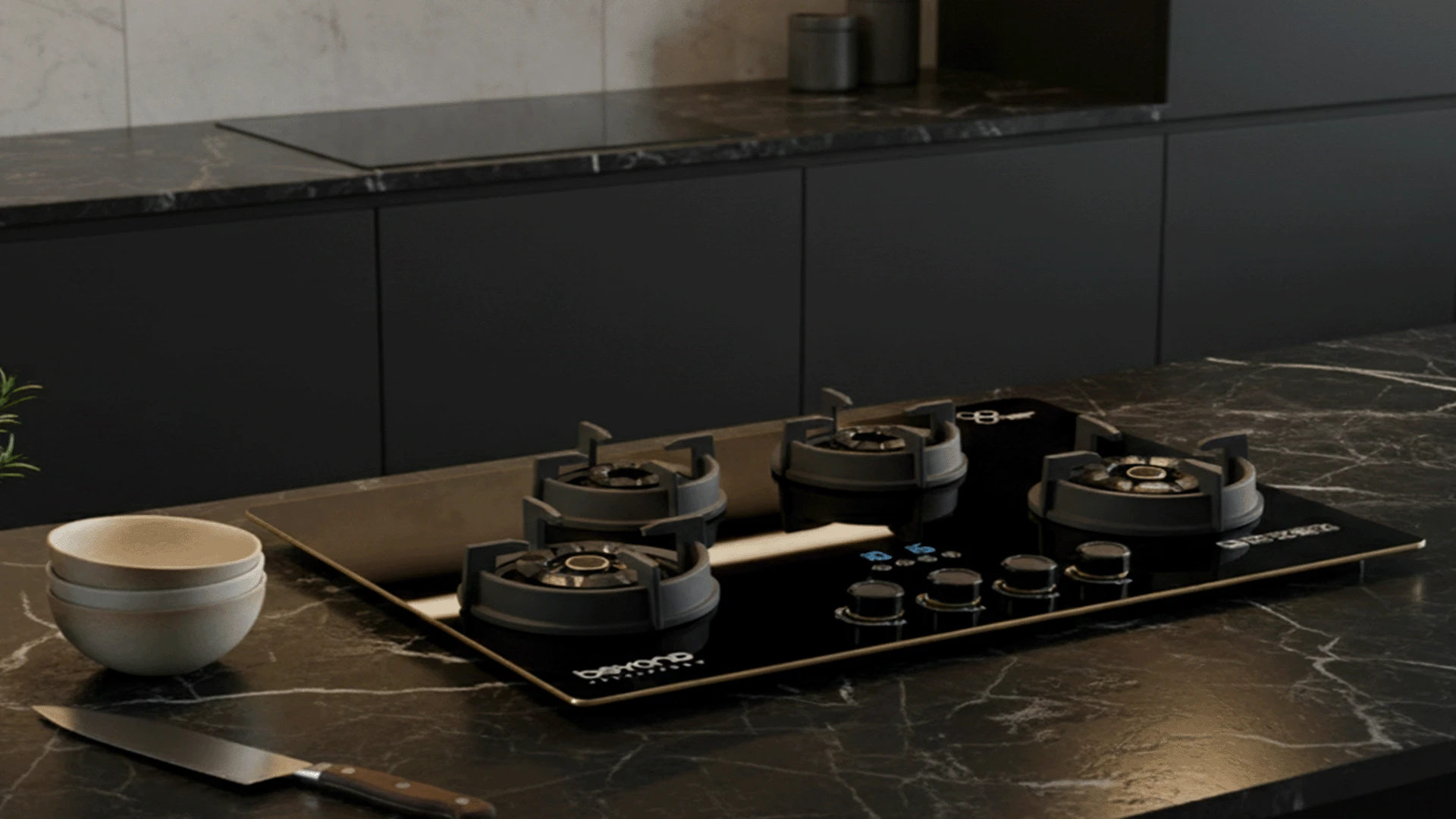
Gas hob cooking has maintained its position as the preferred choice for professional chefs and home cooking enthusiasts worldwide. Despite the rise of electric and induction alternatives, gas hobs continue to deliver unmatched performance, precision, and reliability in modern kitchens. The benefits of gas hob cooking extend far beyond simple flame control, encompassing everything from energy efficiency to superior culinary results. Whether you're upgrading your kitchen or choosing your first cooking appliance, understanding these seven incredible advantages will help you make an informed decision that transforms your cooking experience.
Professional kitchens across the globe rely on gas cooking for good reason. Studies show that over 90% of professional chefs prefer gas hobs for their precision and immediate response. The benefits of gas hob cooking become evident the moment you light the flame and experience the instant heat control that electric alternatives simply cannot match. Gas hob advantages extend beyond professional settings into modern homes where cooking enthusiasts demand restaurant-quality results. The direct flame provides visual feedback that allows cooks to adjust heat levels instantly, making complex cooking techniques more accessible to home chefs.
The most significant advantage of cooking with gas lies in its immediate responsiveness. Unlike electric cooktops that require time to heat up and cool down, gas hobs provide instant flame adjustment that translates to precise temperature control. This immediate response allows you to switch from high heat searing to gentle simmering within seconds. Gas hob efficiency shines through direct heat transfer. The flame directly contacts your cookware, eliminating the energy loss associated with heating electric elements. This direct contact means you can achieve higher temperatures faster while using less energy overall.
The visible flame serves as an instant temperature gauge. You can see exactly how much heat you're applying and adjust accordingly. This visual feedback is particularly valuable for techniques like flambéing, where precise flame control is essential for both safety and culinary success.
Gas hobs enable advanced cooking methods that are difficult or impossible on electric surfaces. The open flame allows for charring vegetables directly over the fire, creating smoky flavors that enhance your dishes. Wok cooking, which requires intense heat and constant temperature adjustments, performs best on gas burners.
Gas stove benefits include exceptional heat distribution and compatibility with all cookware types. The circular flame pattern naturally distributes heat evenly across the bottom of pans, reducing hot spots that can cause uneven cooking. This even distribution is particularly important for delicate sauces and precise cooking techniques. Modern gas hobs feature multiple burner sizes to accommodate different cooking needs. High-output burners deliver intense heat for rapid boiling and searing, while smaller burners provide gentle heat for simmering and warming. This versatility allows you to prepare complex meals efficiently using multiple burners simultaneously.
Unlike induction cooktops that require specific magnetic cookware, gas hobs work with any type of pot or pan. Cast iron, stainless steel, aluminum, and even traditional clay cookware all perform excellently on gas flames. This compatibility preserves your existing cookware investment and provides flexibility in your cooking choices.
Professional-grade gas hobs can deliver BTU outputs that rival commercial kitchen equipment. This high heat capacity enables restaurant-quality searing and rapid cooking that electric alternatives struggle to match. The intense heat creates the Maillard reaction essential for developing complex flavors in meats and vegetables.
The benefits of gas cooking extend to your household budget through lower operating costs. Natural gas typically costs less per BTU than electricity in most regions, making gas hobs more economical for daily cooking. The efficiency of direct heat transfer means more of your energy expenditure goes directly into cooking your food rather than heating elements. Gas hob efficiency ratings demonstrate superior energy utilization compared to electric alternatives. The direct flame contact eliminates the energy losses associated with heating electric coils or glass surfaces. This efficiency translates to faster cooking times and reduced energy consumption.
While initial installation costs may vary, gas hobs typically offer better long-term value. Lower operating costs accumulate significant savings over years of use. Additionally, gas hobs generally have longer lifespans with fewer electronic components that can fail compared to electric models.
Gas cooking often has a lower carbon footprint than electric cooking, especially in regions where electricity generation relies heavily on fossil fuels. The direct combustion of natural gas can be more environmentally efficient than the multiple energy conversions required for electric power generation and transmission.
One of the most practical gas hob advantages is continued operation during power outages. While electric stoves become completely unusable without electricity, gas hobs can still function with manual ignition. This reliability ensures you can prepare meals even during electrical disruptions, making gas hobs an excellent backup cooking solution. The independence from electrical fluctuations means consistent performance regardless of power quality issues. Voltage variations that can affect electric appliance performance have no impact on gas hob operation, ensuring reliable cooking results every time.
Gas hobs provide essential cooking capabilities during emergencies when electrical power may be unreliable. This independence makes them valuable for households in areas prone to power outages or those seeking self-sufficient cooking solutions.
Modern gas hobs have evolved far beyond basic functionality to become sophisticated kitchen centerpieces. Contemporary designs feature sleek glass surfaces, stainless steel finishes, and minimalist aesthetics that complement modern kitchen designs. These gas hob features include touch controls, LED lighting, and premium materials that rival any electric alternative. Compact gas hob models address space constraints in modern homes without sacrificing performance. These space-efficient designs maximize cooking capability while minimizing countertop footprint, making them ideal for apartments and smaller kitchens.
Today's gas hobs incorporate smart technology including automatic ignition, flame failure safety devices, and timer controls. Some models feature digital displays and programmable settings that enhance convenience while maintaining the fundamental advantages of gas cooking.
When comparing gas hob vs electric options, several key factors distinguish these cooking methods. Gas hobs excel in immediate heat response, temperature control precision, and operating cost efficiency. Electric cooktops offer easier cleaning and more consistent low-temperature control but lack the instant responsiveness that makes gas cooking superior for most culinary applications. Installation requirements differ significantly between gas and electric options. Gas hobs require proper ventilation and gas line connections, while electric models need adequate electrical capacity. However, modern compact gas hob designs simplify installation while maintaining performance advantages.
Gas hobs require regular cleaning of burner grates and drip pans but generally have fewer electronic components that can malfunction. The open design allows easy access for cleaning, and replacement parts are typically more affordable and readily available than electronic components in electric models.
Modern gas hobs incorporate multiple safety features including automatic shut-off valves, flame failure devices, and child safety locks. These features address traditional safety concerns while maintaining the performance benefits that make gas cooking preferred by professionals and enthusiasts alike.
Modern gas hobs include multiple safety features such as flame failure devices that automatically shut off gas flow if the flame extinguishes. Proper installation and regular maintenance ensure safe operation for home cooking.
Gas cooking typically costs 30-50% less to operate than electric cooking, depending on local utility rates. The exact savings vary by region, but most households see noticeable reductions in cooking-related energy costs.
Gas hobs work with all cookware types, but flat-bottomed pans with good heat conduction perform best. Cast iron, stainless steel, and aluminum cookware all deliver excellent results on gas flames.
Regular cleaning of burner ports, grates, and drip pans maintains optimal performance. Annual professional inspection ensures proper gas flow and safety system function.
Gas hobs can be installed in most kitchens with proper ventilation and gas line access. Compact gas hob models accommodate smaller spaces while maintaining full functionality.
Gas cooking often has lower carbon emissions than electric cooking, especially in regions with coal-powered electricity generation. The direct combustion efficiency reduces overall energy consumption.
The benefits of gas hob cooking continue to make it the preferred choice for serious home cooks and professional chefs. From instant heat control and superior cooking performance to cost-effectiveness and reliability, gas hobs deliver advantages that electric alternatives struggle to match. Modern designs and compact solutions ensure that gas cooking fits seamlessly into contemporary kitchens while providing the precision and versatility that elevate your culinary experience. Whether you prioritize cooking performance, energy efficiency, or long-term value, gas hobs offer compelling advantages that make them an excellent investment for any kitchen.
