

7 Genius Benefits of Motion Sensor Kitchen Tech
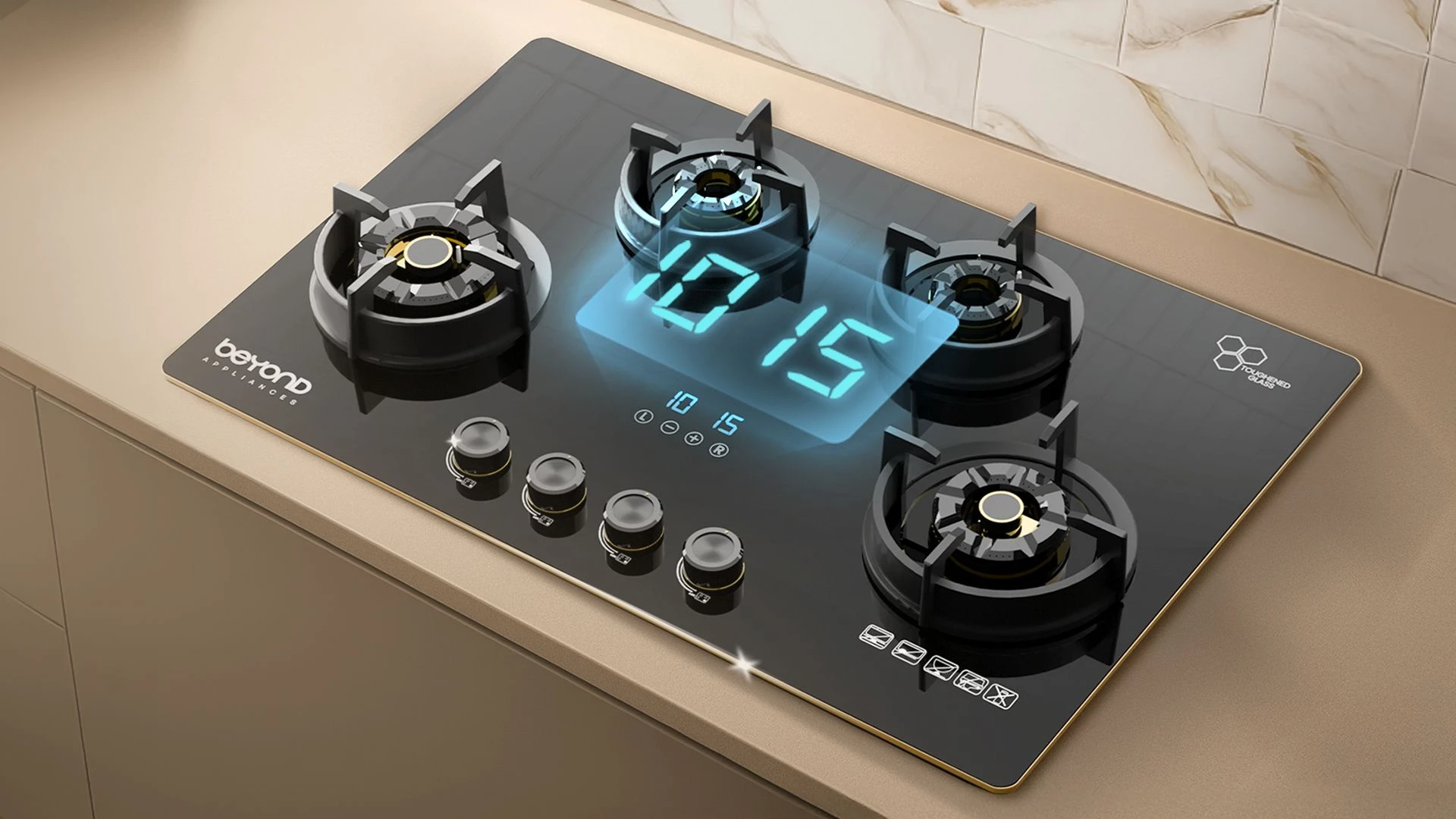
Modern kitchens are evolving rapidly, and motion sensor technology stands at the forefront of this transformation. These smart systems detect movement and automatically activate various kitchen functions, from lighting to water flow. The benefits motion sensor kitchen technology offers extend far beyond simple convenience, creating safer, more efficient, and hygienic cooking environments. Whether you're renovating a compact space or designing a luxury kitchen, understanding these advantages helps you make informed decisions about incorporating this innovative technology into your home.
Motion sensor technology delivers remarkable energy savings that directly impact your monthly utility costs. Automatic kitchen lights eliminate the common problem of forgotten switches, ensuring lights only operate when needed.
Motion sensor systems learn your cooking patterns and adjust accordingly. During peak cooking hours, lights remain active longer, while brief visits trigger shorter illumination periods. This intelligent adaptation can reduce electricity consumption by 30-50% compared to traditional lighting.
Motion sensor lights kitchen installations typically use LED bulbs, which already consume 75% less energy than incandescent options. Combined with motion activation, these systems create an energy-efficient kitchen that significantly reduces your carbon footprint while saving money.
Kitchen safety improves dramatically with motion sensor technology integration. These systems eliminate many common hazards while providing enhanced security features for your home.
When your hands are covered in flour or raw meat, touching light switches or faucet handles becomes problematic. Hands-free kitchen operation through motion sensors eliminates cross-contamination risks while preventing slips from reaching for switches with wet hands.
Motion-activated lighting ensures you never work in poorly lit conditions. Dark corners and shadowy prep areas become well-illuminated automatically, reducing knife accidents and improving overall kitchen safety during food preparation.
The convenience factor of motion sensor technology transforms daily kitchen routines into seamless experiences. Smart kitchen technology anticipates your needs and responds instantly to your presence.
Touchless kitchen faucet benefits become apparent during complex cooking sessions. When juggling multiple dishes, automatic water flow activation saves precious seconds and prevents contamination between ingredients. Your hands remain clean while maintaining cooking momentum.
Motion sensors benefit users with mobility challenges or arthritis. No more struggling with tight faucet handles or hard-to-reach light switches. The technology creates an inclusive kitchen environment where everyone can cook comfortably and independently.
Hygiene concerns in food preparation areas make touchless technology particularly valuable. Motion sensor systems create cleaner cooking environments by eliminating common contamination points.
Traditional kitchen fixtures harbor bacteria and germs from repeated touching. Motion sensor technology reduces surface contact by up to 99%, creating significantly cleaner food preparation areas. This protection proves especially important when handling raw meats or during illness prevention.
Touchless fixtures require less frequent deep cleaning since they experience minimal physical contact. This reduction in maintenance needs saves time while ensuring consistently hygienic kitchen conditions.
Motion sensor technology actually extends the life of your kitchen fixtures and appliances through reduced wear and tear. This longevity translates into significant long-term savings.
Traditional switches and handles experience constant physical stress from daily use. Motion sensors eliminate this mechanical wear, extending fixture lifespan by 40-60% in typical household applications.
Motion-activated LED systems last longer because they operate only when needed. Instead of burning continuously, these bulbs accumulate fewer operating hours, often lasting 15-20 years in motion sensor applications.
Modern kitchen design embraces clean lines and minimalist aesthetics, making motion sensor technology a perfect fit. These systems enhance visual appeal while providing functional benefits.
Compact kitchen solutions benefit tremendously from motion sensor technology. Limited space makes every square inch valuable, and eliminating visible switches creates cleaner, more spacious appearances. Under-cabinet motion sensor lighting provides excellent task illumination without cluttering countertops.
Motion sensor systems enable creative kitchen lighting ideas that respond to your presence. Toe-kick lighting activates when you approach cabinets, while overhead sensors provide ambient lighting that adjusts to cooking activities. These dynamic lighting solutions create impressive visual effects while maintaining functionality.
Investing in motion sensor kitchen technology increases your home's market value while preparing for future smart home integration. Kitchen automation appeals strongly to modern homebuyers.
Real estate data shows that homes with smart kitchen features sell 15-20% faster than comparable properties. Motion sensor technology demonstrates forward-thinking design that appeals to tech-savvy buyers seeking modern conveniences.
Motion sensor systems integrate easily with emerging smart home platforms. This compatibility ensures your investment remains relevant as technology continues advancing, protecting your renovation budget from premature obsolescence.
Motion sensor kitchen technology offers seven primary benefits: energy efficiency, enhanced safety, ultimate convenience, superior hygiene, extended equipment lifespan, seamless design integration, and increased property value. These systems reduce energy costs by 30-50% while providing hands-free operation that improves safety and cleanliness.
Motion sensor lights typically reduce lighting electricity costs by 30-50%. For an average kitchen using INR 500 monthly in lighting costs, motion sensors can save INR 150-250 per month. Annual savings range from INR 1,800-3,000, making the investment cost-effective within 2-3 years.
Touchless kitchen faucets provide excellent value through water conservation, improved hygiene, and convenience benefits. They reduce water waste by 15-20% and eliminate bacterial transmission points. The initial investment of INR 8,000-15,000 pays for itself through water savings and reduced maintenance costs.
Under-cabinet LED strips with motion sensors work excellently for task lighting, while ceiling-mounted sensors provide general illumination. Combination systems offer the best coverage, with under-cabinet sensors for prep work and overhead sensors for general movement detection.
Most motion sensor lights can replace existing fixtures using standard electrical connections. However, hardwired systems may require professional installation. Battery-powered options offer easy DIY installation without electrical modifications.
Quality motion sensor fixtures last 10-15 years with proper maintenance. LED components often last 15-20 years, while sensor mechanisms typically function reliably for 8-12 years. Regular cleaning and battery replacement ensure optimal performance throughout their lifespan.
Motion sensor kitchen technology transforms cooking experiences through intelligent automation that prioritizes efficiency, safety, and convenience. The benefits motion sensor kitchen systems provide extend from immediate cost savings to long-term property value increases. Whether you're planning a complete renovation or seeking targeted upgrades, these smart systems offer compelling advantages that enhance daily life while future-proofing your investment. Consider starting with simple motion sensor lighting solutions and gradually expanding to create a fully automated, hands-free kitchen environment that serves your family for years to come.
