

7 Expert Tips for Perfect Chimney Height
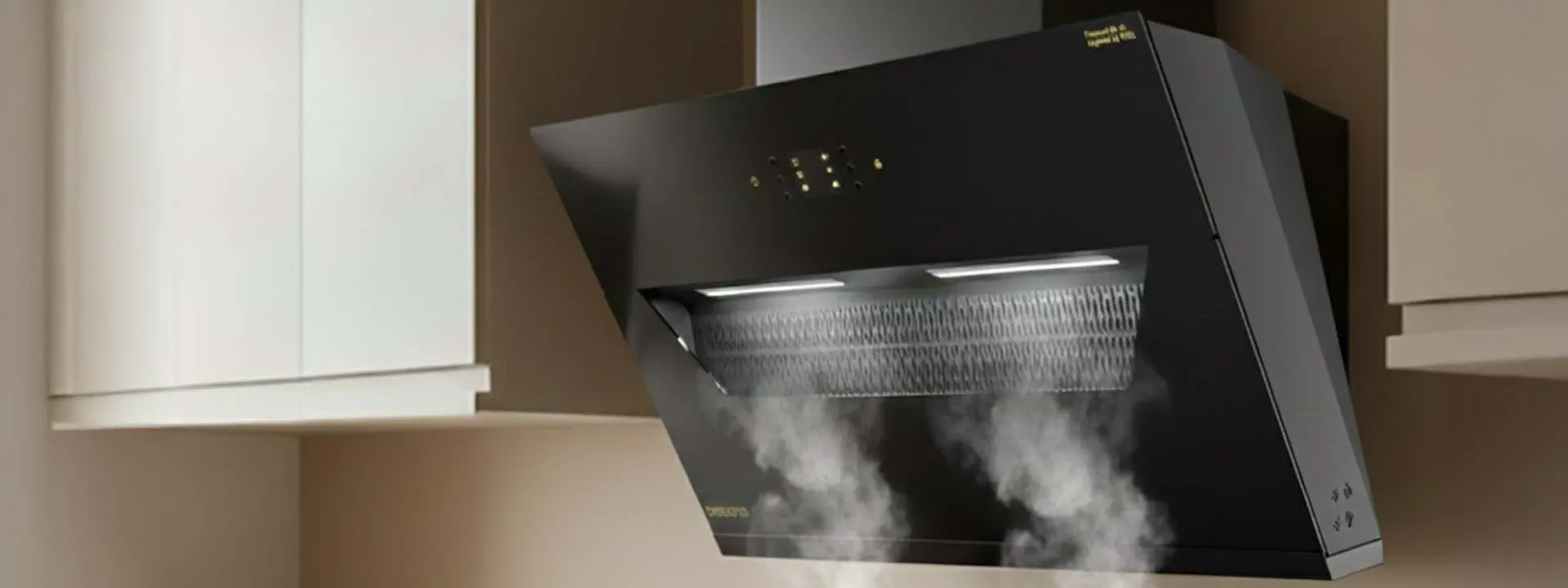
Getting the right chimney height can make or break your home's comfort and safety. Whether you're installing a new kitchen chimney or planning a fireplace, the height you choose affects everything from smoke evacuation to energy efficiency. Poor chimney height leads to backdrafts, smoke problems, and reduced performance that can turn your dream kitchen into a nightmare. This guide covers seven expert tips to help you understand how to pick chimney height for comfort, ensuring your investment delivers the performance and peace of mind you deserve.
Before diving into specific measurements, it's crucial to understand what chimney height really means and why it matters so much. Different types of chimneys have different height requirements, and getting this wrong can create serious problems.
Kitchen range hood chimneys operate differently from fireplace chimney height requirements. Kitchen chimneys focus on capturing cooking fumes and grease, while fireplace chimneys must handle combustion gases and create proper draft. Indoor installations have different considerations than outdoor setups, and residential chimney height standards vary based on your specific application.
Proper chimney height creates the draft needed for efficient operation. Taller chimneys generally create stronger draft, but there's a sweet spot where performance peaks. Too short, and you get poor evacuation. Too tall, and you might create excessive draft that wastes energy and creates other problems.
Every chimney installation must start with local building codes as the baseline. These codes exist for safety reasons and provide minimum standards that protect your family and property. For fireplace and wood stove installations, the standard rule requires chimneys to extend at least 3 feet above the roof penetration point. Additionally, the chimney must be 2 feet higher than any roof surface within 10 feet horizontally. This prevents downdrafts and ensures proper smoke evacuation even in windy conditions.
Kitchen chimneys have specific height requirements that directly impact their effectiveness. Getting this measurement right ensures optimal capture of cooking fumes and prevents grease buildup.
For gas stoves, maintain 24-30 inches between the cooktop and chimney bottom. This distance provides effective capture without interfering with cooking activities. Electric cooktops can handle slightly higher installations, typically 25-30 inches, due to different heat patterns.
Always measure from the actual cooking surface, not the floor. Account for different burner heights and any raised platforms. Maximum height for gas installations should never exceed 30 inches, as this reduces capture efficiency significantly.
These professional insights will help you make the right decision for your specific situation and ensure long-term satisfaction with your chimney performance.
Building codes provide minimum safety standards, but optimal chimney height often exceeds these minimums. Use codes as your starting point, then adjust based on your specific needs and conditions.
Wind patterns significantly affect chimney performance. Homes in windy areas may need additional height to prevent downdrafts. Cold climates create stronger natural draft, while warm climates may require different considerations for consistent performance.
Steep roofs create different airflow patterns than flat roofs. Trees, neighboring buildings, and other structures can create wind turbulence that affects chimney performance. Calculate clearances carefully and consider future growth of nearby vegetation.
Your chimney size guide should balance diameter with height. Larger flues may need different height considerations to maintain proper draft chimney height ratios. The relationship between size and height affects overall system efficiency.
Consider potential roof additions, home expansions, or landscape changes that might affect your chimney's performance. Planning ahead prevents costly modifications later and ensures your chimney continues performing optimally.
Modern chimney design balances function with visual appeal. Compact modern design considerations might influence your height choices, but never compromise safety for aesthetics. Work with professionals to find solutions that meet both functional and design requirements.
Even with perfect planning, real-world performance might require adjustments. Monitor your chimney's performance during different weather conditions and be prepared to make modifications if needed. Chimney extension height additions can solve performance issues discovered after installation.
Avoid these frequent errors that can turn your chimney investment into an ongoing problem. Understanding these mistakes helps you make better decisions from the start. Installing too low creates safety risks and poor performance. Smoke spillage, backdrafts, and reduced efficiency are common results. Going too high wastes money and can create structural concerns without improving performance. Ignoring local codes can result in failed inspections and costly corrections. Failing to account for future modifications is another costly mistake. Consider how home additions, landscaping changes, or nearby construction might affect your chimney's performance years down the road.
For kitchen chimneys, 24-30 inches above gas cooktops provides optimal performance. This height ensures effective capture of cooking fumes while maintaining safe clearances. Electric cooktops can handle slightly higher installations up to 30 inches.
Taller chimneys generally create stronger draft due to increased stack effect. However, there's an optimal range where performance peaks. Beyond this point, additional height provides diminishing returns and may create excessive draft that wastes energy.
Yes, chimney flue height can often be extended using appropriate extension kits or additional sections. However, structural considerations and local codes must be evaluated before making modifications.
Short chimneys create weak draft, leading to poor smoke evacuation, backdrafts, and reduced efficiency. In kitchen applications, inadequate height reduces capture effectiveness and allows cooking fumes to escape into the room.
While basic measurements can be calculated using standard guidelines, complex installations benefit from professional assessment. Factors like roof pitch, nearby structures, and local wind patterns require expert evaluation for optimal results.
Selecting the right chimney height requires balancing safety codes, performance requirements, and practical considerations. Start with building code minimums, then optimize based on your specific situation. Kitchen chimneys perform best at 24-30 inches above cooking surfaces, while fireplace chimneys must meet the 3-2-10 rule as a minimum. Consider your climate, roof design, and nearby structures when making final decisions. Plan for future modifications and don't compromise safety for aesthetics. When in doubt, consult with professionals who can evaluate your specific situation and recommend the best approach for lasting comfort and performance.
