

7 Expert Tips: Choose the Perfect Modular Kitchen Hob
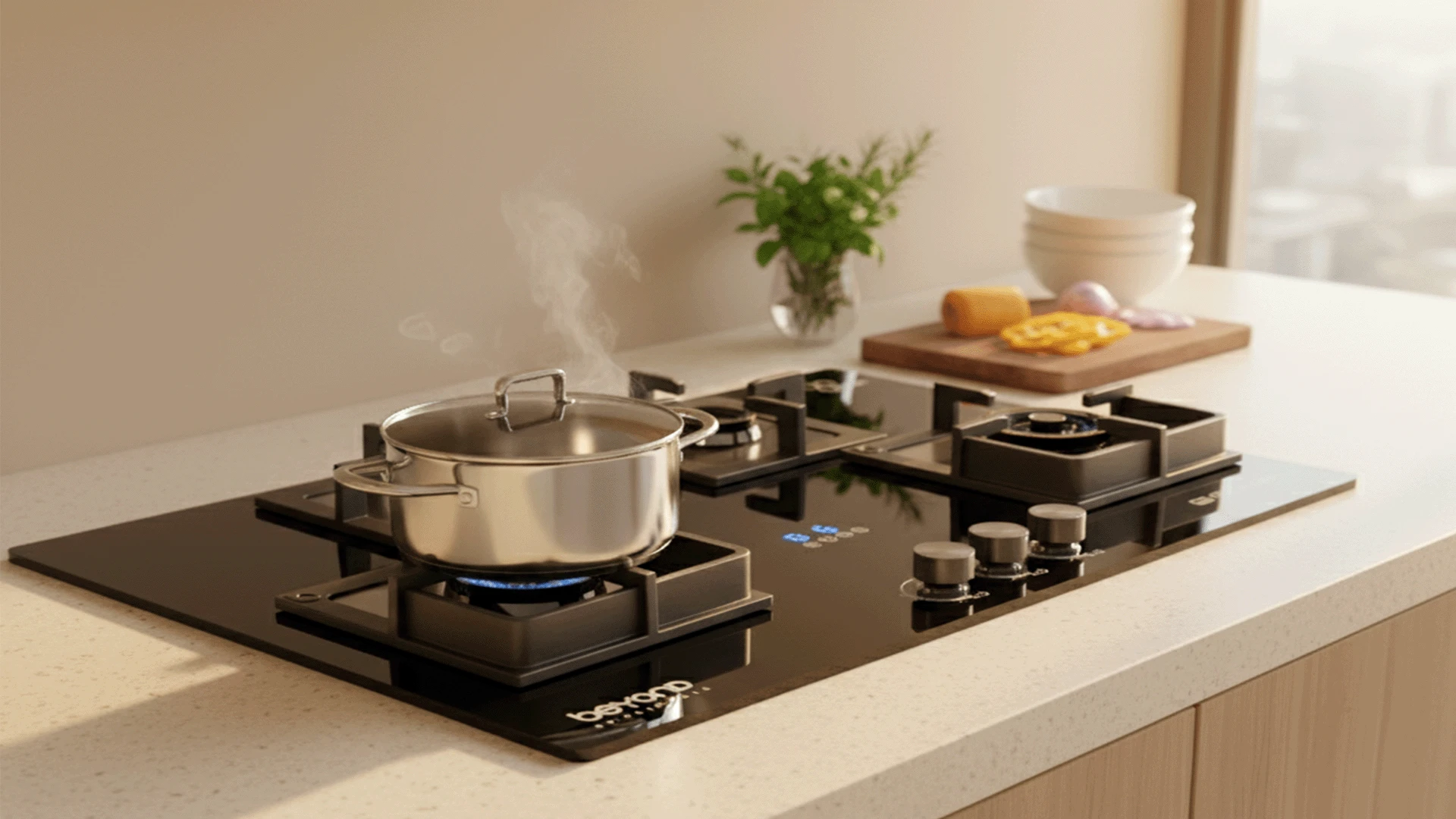
Choosing the right hob for your modular kitchen can transform your cooking experience. Modern kitchens demand appliances that blend functionality with sleek design. The perfect hob should complement your kitchen's aesthetics while delivering reliable performance. With various types, sizes, and features available, making the right choice requires careful consideration of your cooking habits, space constraints, and budget. This comprehensive guide will help you navigate through the essential factors to select a hob that perfectly suits your modular kitchen needs.
A modular kitchen hob differs significantly from traditional standalone cooktops. These built-in appliances integrate seamlessly into your kitchen countertop, creating a clean, uninterrupted surface. Unlike conventional gas stoves that sit on top of counters, modular hobs are designed to fit precisely into cutouts, maximizing space efficiency. The key components include the cooking surface, control panel, and connection points for gas or electricity. Modern hobs feature advanced materials like tempered glass, stainless steel, or ceramic surfaces that resist heat and scratches. Understanding these basics helps you appreciate why proper selection matters for both functionality and aesthetics in your modular kitchen design.
Selecting the right type forms the foundation of your hob buying decision. Each technology offers distinct advantages depending on your cooking style and kitchen setup. Understanding these differences ensures you choose the best hob for kitchen that matches your specific requirements.
Gas hobs remain popular for their instant heat control and compatibility with all cookware types. They offer precise flame adjustment and work during power outages. Modern gas hobs feature auto-ignition, safety valves, and sleek glass surfaces that blend well with contemporary kitchen designs.
Electric hobs provide uniform heating and easy cleaning surfaces. They heat up gradually but maintain consistent temperatures. These hobs work well in apartments where gas connections might be restricted. The smooth surfaces integrate beautifully with modern kitchen aesthetics.
Induction technology offers the fastest heating with maximum energy efficiency. These hobs only heat compatible cookware, keeping the surface cool and safe. They provide precise temperature control and consume less electricity compared to traditional electric hobs.
Hybrid models combine gas and induction zones, offering cooking flexibility. You can use gas for high-heat cooking and induction for precise temperature control. These versatile options suit households with diverse cooking preferences.
Modern hob features go beyond basic cooking functionality. Today's appliances incorporate smart technology, safety systems, and user-friendly controls that enhance your cooking experience. Prioritizing the right features ensures long-term satisfaction with your investment.
Safety should be your top priority when selecting any kitchen appliance. Look for hobs with automatic gas shut-off, child safety locks, and flame failure protection. These features prevent accidents and provide peace of mind during daily use.
Control interfaces significantly impact user experience. Touch controls offer sleek aesthetics and easy cleaning. Traditional knobs provide tactile feedback and work during power failures. Digital displays show precise temperature settings and timer functions.
Burner arrangements should match your cooking patterns. Two-burner models suit small families, while four-burner configurations accommodate larger households. Consider burner sizes and power ratings based on your typical cookware and cooking methods.
Surface materials affect both appearance and maintenance. Stainless steel offers durability and easy cleaning. Tempered glass provides modern aesthetics but requires careful handling. Ceramic surfaces resist stains but may show scratches over time.
Energy-efficient hobs reduce operating costs and environmental impact. Check for BEE star ratings on electric and induction models. Gas hobs with efficient burner designs consume less fuel while delivering optimal performance.
Compact kitchen hob options maximize functionality in limited spaces. Modern modular kitchens often feature smaller cooking areas that require smart appliance choices. The right compact solution ensures you don't compromise on cooking capabilities despite space constraints.
Two-burner hobs work well for studio apartments and small families. Three-burner models offer a middle ground with adequate cooking space. Four-burner configurations suit larger families but require more counter space and proper ventilation.
Built-in hobs integrate seamlessly into countertops, saving valuable space. Freestanding models offer installation flexibility but consume more surface area. Built-in options create cleaner lines and easier cleaning around the cooking area.
Domino hobs allow mixing different cooking technologies in one installation. You can combine gas and induction zones or add specialized cooking surfaces. This modular approach maximizes cooking versatility in compact kitchen designs.
Proper installation planning prevents costly mistakes and ensures optimal performance. Understanding installation requirements helps you prepare your kitchen space and budget for any necessary modifications. Following proper hob installation guide principles ensures safety and functionality.
Accurate measurements are crucial for proper hob installation. Standard cutout sizes vary by model, so verify dimensions before ordering. Allow adequate clearance around the hob for ventilation and safety. Consider cabinet modifications if your chosen hob requires different dimensions.
Electric hobs need dedicated circuits with appropriate amperage ratings. Gas hobs require proper gas line connections and leak testing. Ensure your kitchen's infrastructure supports your chosen hob type before making final decisions.
Adequate ventilation prevents heat buildup and cooking odors. Plan for proper exhaust systems that complement your hob choice. Consider innovative solutions like ductless chimneys that install without wall cutting or ducting pipes, offering easy 10-minute installation with just 2 screws.
Gas hob installation requires certified professionals for safety compliance. Electric installations may allow DIY approaches but consider professional help for complex wiring. Professional installation ensures warranty coverage and safety standard compliance.
Making the right choice requires balancing multiple factors including budget, functionality, and long-term satisfaction. These expert tips help you navigate the decision-making process systematically. Consider each factor carefully to ensure your investment serves you well for years to come.
Evaluate how often you cook and what types of meals you prepare. Large families need more burners and higher power ratings. Occasional cooks might prefer simpler models with basic features.
Check your electrical capacity for induction or electric hobs. Verify gas line availability and pressure for gas models. Upgrade infrastructure if necessary before installing your new hob.
Factor in cleaning requirements, replacement parts availability, and energy consumption. Gas hobs typically have lower running costs but may require more maintenance. Induction hobs cost more initially but offer energy savings over time.
Visit showrooms to experience different control types firsthand. Ensure controls feel intuitive and responsive. Consider family members who will use the hob regularly when evaluating user interfaces.
Verify service center locations and technician availability in your area. Check warranty terms and coverage details. Reliable after-sales support ensures long-term satisfaction with your purchase.
Research real user experiences with specific models you're considering. Professional reviews provide technical insights and performance comparisons. Balance positive and negative feedback to form realistic expectations.
Choose hobs that will complement future kitchen renovations. Consider emerging technologies and changing cooking trends. Invest in quality models that will remain relevant as your needs evolve.
Two-burner or compact three-burner hobs work best for small modular kitchens. These sizes provide adequate cooking capacity while preserving valuable counter space. Consider your family size and cooking frequency when making the final decision.
Maintain at least 15cm clearance on all sides of the hob for safety and ventilation. Ensure adequate space above for exhaust systems. Check manufacturer specifications for exact clearance requirements for your chosen model.
Electric hob installation may be possible for experienced DIYers, but gas hobs require certified professionals. Professional installation ensures safety compliance and warranty coverage. Consider the complexity of your specific installation requirements.
Gas hobs typically have lower operating costs in areas with affordable gas supply. Induction hobs offer better energy efficiency but higher electricity costs. Calculate long-term expenses based on your local utility rates and cooking frequency.
Gas hobs need regular burner cleaning and safety checks. Electric hobs require gentle surface cleaning with appropriate cleaners. Induction hobs need minimal maintenance but require compatible cookware. Follow manufacturer guidelines for optimal performance.
Prioritize child safety locks, automatic shut-off systems, and flame failure protection. Consider hobs with cool-touch surfaces and clear indicator lights. These features prevent accidents and provide peace of mind during daily use.
Selecting the perfect modular kitchen hob requires careful consideration of your specific needs, space constraints, and budget. The right choice balances functionality, safety, and aesthetics while complementing your overall kitchen design. Remember to factor in long-term costs, maintenance requirements, and future upgrade possibilities when making your decision. With proper planning and research, your new hob will serve as the centerpiece of countless memorable meals in your modern kitchen.
