

7 Critical Kitchen Placement Rules for Gas Stoves
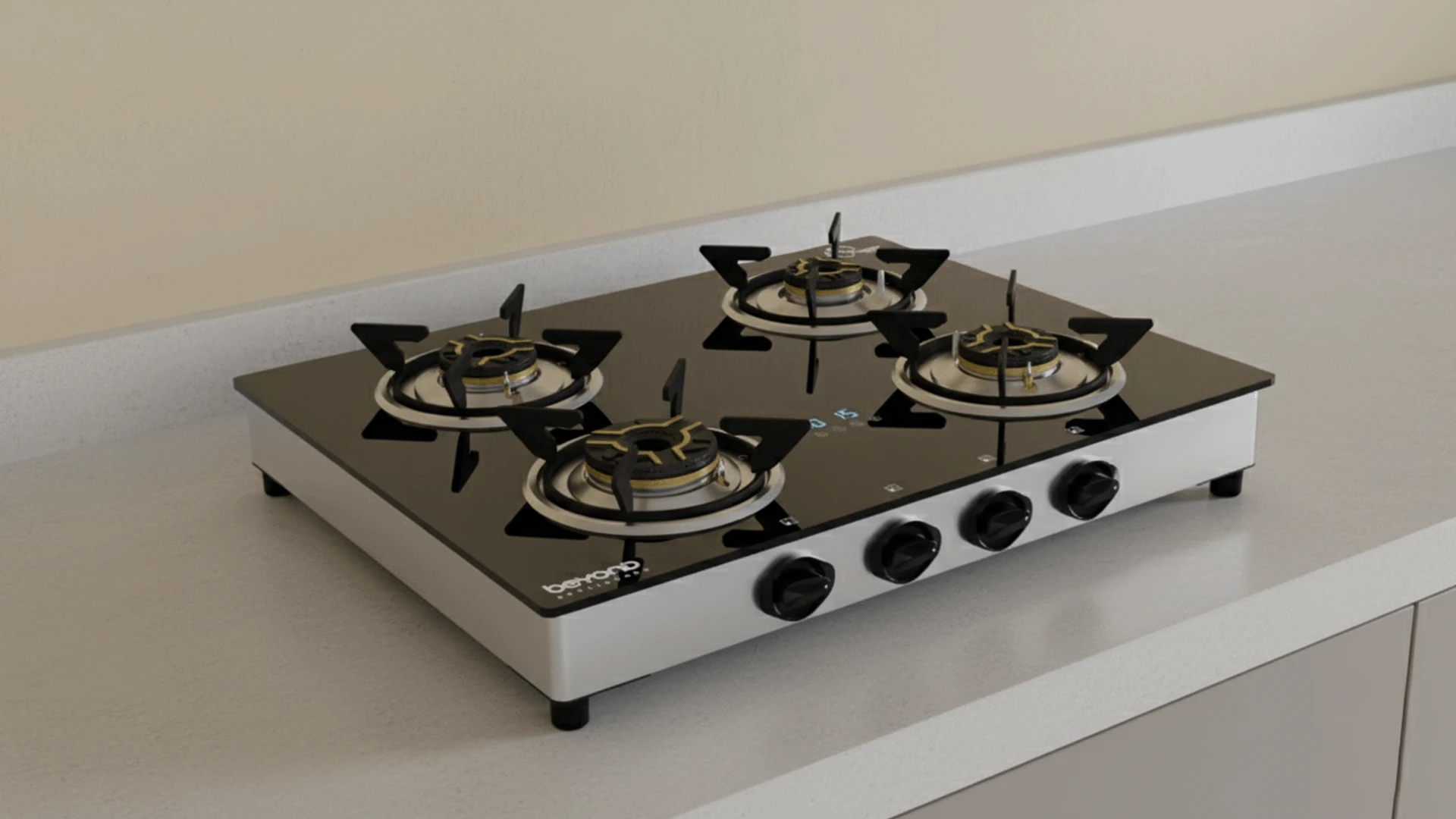
Setting up a gas stove in your kitchen requires careful planning and adherence to specific safety guidelines. Proper placement isn't just about aesthetics—it's about creating a safe, efficient cooking environment that protects your family and home. Understanding these critical placement rules helps ensure your kitchen meets safety standards while maximizing functionality. Whether you're designing a new kitchen or renovating an existing space, following established guidelines prevents costly mistakes and potential hazards.
Kitchen safety regulations exist for good reason. Improper gas stove installation accounts for thousands of home accidents annually, ranging from minor burns to serious fires. Following proper kitchen placement rules for gas stove installation protects your investment and ensures compliance with local building codes. Gas appliance placement directly impacts your kitchen's efficiency. A well-positioned stove creates smooth workflow patterns, reduces cooking time, and makes meal preparation more enjoyable. Poor placement leads to cramped conditions, inadequate ventilation, and increased safety risks. Building codes vary by location, but most require professional installation and inspection. Ignoring these requirements can void insurance coverage and create liability issues. Proper planning from the start saves money on retrofitting and ensures your kitchen passes all necessary inspections.
Stove clearances represent the most critical safety consideration in gas stove installation. These measurements protect surrounding materials from heat damage and reduce fire risk. Standard clearances vary based on your stove's BTU output and surrounding materials.
Most building codes require at least 6 inches of clearance on each side of your gas stove. This space prevents cabinet doors from warping due to heat exposure. Overhead clearances typically require 30 inches minimum between the cooking surface and any combustible material above.
Installing heat-resistant backsplashes protects walls behind your stove. Stainless steel, ceramic tile, or stone materials work best. Avoid wood, plastic, or painted surfaces within the immediate cooking area. These materials can ignite or release toxic fumes when exposed to high heat.
Proper kitchen ventilation removes cooking odors, excess heat, and potentially harmful gases. Gas stoves produce carbon monoxide and other combustion byproducts that require effective removal. Adequate ventilation also prevents moisture buildup that can damage cabinets and walls.
Your range hood should provide at least 100 CFM (cubic feet per minute) of airflow for every 10,000 BTU of stove output. Position the hood 24-30 inches above your cooking surface for optimal performance. Ducted systems work more effectively than recirculating models for gas stoves.
Supplementary ventilation through windows or vents helps maintain air quality. Cross-ventilation creates airflow patterns that enhance your range hood's effectiveness. Consider installing a make-up air system if your kitchen feels stuffy or your range hood struggles to remove cooking odors.
Cooking appliance location affects your kitchen's overall functionality. The classic work triangle concept places your stove, sink, and refrigerator in an efficient triangular pattern. This arrangement minimizes walking distance and creates logical workflow patterns.
Position your gas stove 4-6 feet from your sink and refrigerator when possible. This distance provides adequate prep space while maintaining easy access to water and ingredients. Avoid placing your stove directly opposite your sink, as this creates awkward traffic patterns.
Island placement offers 360-degree access but requires additional ventilation considerations. Wall placement provides better ventilation options and typically costs less to install. Consider your kitchen size and cooking habits when choosing between these configurations.
Gas stove requirements include proper line sizing, pressure regulation, and professional installation. Never attempt DIY gas line work—this requires licensed professionals with specialized training. Improper connections can cause gas leaks, explosions, or carbon monoxide poisoning.
Licensed contractors understand local codes and safety requirements. They ensure proper line sizing based on your stove's BTU requirements and distance from the gas meter. Professional installation includes pressure testing and leak detection to verify system integrity.
Install an accessible gas shutoff valve within 6 feet of your stove. This valve should be easily reachable in emergencies but protected from accidental activation. Consider installing a gas leak detector near your stove for added safety.
Compact kitchen design requires creative solutions that maximize functionality without compromising safety. Small kitchens benefit from strategic placement that creates the illusion of more space while maintaining proper clearances.
Corner placement can work in compact kitchens if you maintain proper clearances. Consider a smaller stove with fewer burners to fit tight spaces. Vertical storage solutions above and beside your stove help maximize available space.
Plan at least 12 inches of counter space on one side of your stove for food preparation. This area should be heat-resistant and easy to clean. Integrate storage for cooking utensils and spices within easy reach of your cooking area.
Modern gas stoves require electrical connections for ignition systems and digital controls. Plan electrical outlets within reach but away from heat sources. GFCI protection may be required depending on your local codes.
Most gas stoves need a standard 120-volt outlet for electronic ignition and controls. Position this outlet behind or beside your stove, not directly above where heat could damage the connection. Ensure adequate lighting above your cooking area for safety and functionality.
While gas stoves don't require water connections, consider proximity to your sink for easy cleanup. Plan utility locations to avoid conflicts during installation. Leave access panels for future maintenance or upgrades.
Gas appliance placement should consider long-term maintenance needs. Plan adequate space for cleaning, repairs, and eventual replacement. This foresight prevents costly modifications later and ensures your kitchen remains functional for years.
Leave enough space to pull your stove forward for cleaning and maintenance. Most units need 2-3 inches of clearance behind for proper airflow. Plan removable panels or access points for gas line connections and electrical work.
Consider how your needs might change over time. Modular designs allow easier updates and modifications. Plan utility rough-ins that accommodate different stove sizes or configurations for future flexibility.
Maintain at least 6 inches clearance from side walls and ensure your backsplash uses heat-resistant materials. Check local building codes for specific requirements in your area.
Most codes require 30 inches minimum clearance between the cooking surface and any combustible material overhead. Range hoods should be positioned 24-30 inches above the cooktop.
Yes, but island installation requires special ventilation considerations and may need additional electrical work. Ensure adequate clearances on all sides and proper ventilation above.
Most jurisdictions require permits for new gas line installation or major appliance changes. Check with your local building department before starting any work.
Gas stoves require range hoods with adequate CFM ratings based on BTU output. Ducted systems work better than recirculating models for removing combustion byproducts.
Plan for 6 inches minimum side clearance, 30 inches overhead clearance, and at least 12 inches of counter space on one side for food preparation.
Proper kitchen placement rules for gas stove installation ensure safety, efficiency, and code compliance. These seven critical rules provide a framework for creating a functional cooking space that protects your family and investment. Remember that professional installation is essential for gas appliances, and local codes may have specific requirements beyond these general guidelines. Taking time to plan proper placement from the start prevents costly modifications and creates a kitchen you'll enjoy for years to come.
