

7 Best Chimney Designs for Open Plan Kitchens
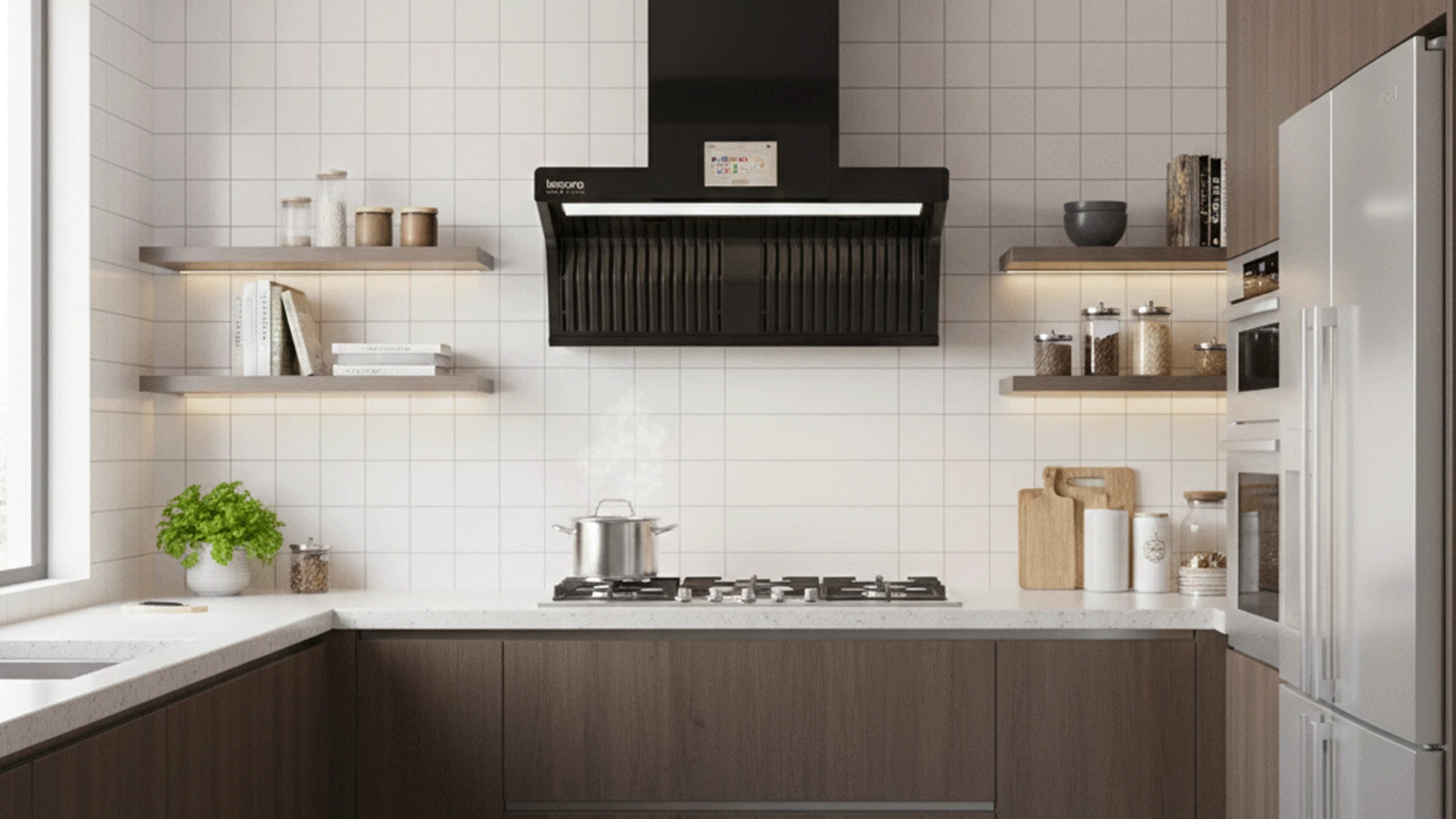
Open plan kitchens have transformed modern homes, creating seamless spaces where cooking, dining, and living areas flow together. However, this design brings unique challenges for kitchen ventilation. Without proper chimney for open plan kitchen solutions, cooking odors, smoke, and grease can quickly spread throughout your entire living space. The right kitchen chimney design becomes crucial for maintaining air quality and comfort. Modern homeowners need ventilation systems that not only perform efficiently but also complement their contemporary aesthetic. This guide explores seven exceptional chimney designs that solve ventilation challenges while enhancing your open kitchen's visual appeal.
Open concept living has become the gold standard in modern home design, but it creates specific ventilation challenges that traditional kitchens never faced. When you cook in an open plan space, every aroma, steam particle, and cooking byproduct has the potential to travel throughout your entire living area. Open plan kitchen ventilation systems must work harder than conventional setups. In a closed kitchen, odors and smoke remain contained within four walls. In open layouts, these elements can drift into seating areas, bedrooms, and even upper floors. This makes choosing the right modern kitchen extractor absolutely essential for maintaining a comfortable living environment. The impact goes beyond just unpleasant smells. Poor ventilation in open kitchens can lead to grease buildup on furniture, walls, and electronics throughout your living space. It can also affect indoor air quality, potentially causing respiratory issues for family members. Effective kitchen ventilation ideas become investment in both comfort and health.
Before exploring specific designs, it's important to understand the fundamental types of chimney systems available for open plan kitchens. Each type offers distinct advantages depending on your space configuration and ventilation needs. Kitchen chimney design falls into two main categories: ducted and ductless kitchen chimney systems. Ducted chimneys connect to external venting, providing superior extraction power by removing air completely from your home. Ductless systems filter and recirculate air back into the kitchen, making them ideal for apartments or homes where external ducting isn't feasible. Suction power requirements vary significantly based on your kitchen size and cooking habits. Compact spaces typically need 800-1000 cubic meters per hour, while larger open plan areas may require 1200-1500 cubic meters per hour for effective ventilation. The key is matching your chimney's capacity to your specific space requirements.
Selecting the perfect chimney design for your open plan kitchen requires balancing performance, aesthetics, and practical considerations. These seven designs represent the most effective solutions for modern open concept spaces.
Island kitchen chimney designs serve as both functional ventilation systems and striking design elements. These ceiling-mounted units position directly above kitchen islands, providing 360-degree extraction coverage that's perfect for open plan layouts. The aesthetic appeal of island chimneys cannot be overstated. They create a focal point that draws the eye upward, adding vertical interest to open spaces. Available in 60cm and 90cm widths, these units accommodate various island sizes while maintaining proportional balance.
Contemporary chimney hood designs featuring glass canopies offer the perfect blend of modern aesthetics and high performance. The transparent glass elements help maintain visual openness in your space while providing excellent extraction capabilities. These units often incorporate LED lighting systems that illuminate your cooking surface while adding ambient lighting to the entire open area. The combination of sleek steel frameworks with glass panels creates a sophisticated look that complements modern kitchen designs.
Not every open plan kitchen features expansive islands or unlimited ceiling space. Compact kitchen chimney designs address the needs of smaller open layouts without compromising on performance or style. These chimney for small kitchen solutions typically mount against walls and feature streamlined profiles that don't overwhelm modest spaces. Auto-clean features become particularly valuable in compact designs, as they reduce maintenance requirements in tight spaces.
Ductless kitchen chimney systems provide exceptional flexibility for open plan kitchens where external venting isn't possible. These units use advanced carbon filter technology to clean air before recirculating it back into your living space. Installation flexibility makes ductless systems particularly attractive for apartment dwellers or homes with complex structural limitations. They can be positioned almost anywhere without requiring extensive renovation or external modifications.
Curved glass chimney designs bring sculptural elegance to open plan kitchens. The flowing lines create visual softness that balances the angular elements typically found in modern kitchen designs. Beyond aesthetics, curved surfaces often provide enhanced suction efficiency by creating optimal airflow patterns. The smooth glass surfaces are also easier to clean than traditional angular designs, making maintenance simpler.
Minimalist straight-line chimneys appeal to homeowners who prefer clean, uncluttered aesthetics. These designs integrate seamlessly with modern cabinetry, often appearing as natural extensions of your kitchen's architectural elements. Touch control features eliminate visible buttons or switches, maintaining the clean lines that define minimalist design. These units prove that high performance doesn't require visual complexity.
Pyramid-style chimneys make bold design statements while delivering exceptional extraction performance. The geometric form creates visual interest and serves as a conversation piece in open plan spaces. These units typically feature premium materials like brushed steel or copper finishes that develop character over time. The substantial presence of pyramid designs works particularly well in larger open plan kitchens where scale matters.
Selecting appropriate chimney specifications requires careful consideration of your kitchen's dimensions, cooking habits, and layout characteristics. The relationship between kitchen size and chimney capacity directly impacts ventilation effectiveness. For open plan kitchens measuring 100-150 square feet, a 60cm chimney with 800-1000 cubic meters per hour capacity typically provides adequate ventilation. Larger spaces exceeding 200 square feet benefit from 90cm units with 1200+ cubic meters per hour capacity. Cooking frequency and style also influence requirements. Heavy cooking with frequent frying or grilling demands higher extraction rates than occasional light cooking. Consider your family's cooking patterns when evaluating best kitchen chimney brands and their performance specifications. Ceiling height affects both installation requirements and performance. Higher ceilings may require more powerful units to maintain effective extraction, while lower ceilings might limit your design options.
Proper installation ensures optimal performance and safety for your chosen chimney design. Open plan kitchens often present unique installation challenges that require professional expertise. Ceiling height requirements vary by chimney type, but most units need minimum clearances of 24-30 inches above cooking surfaces. Island installations require additional structural support to handle the weight and vibration of ceiling-mounted units. Electrical planning becomes crucial for island chimneys, as power must be routed through ceiling spaces. Professional installation ensures compliance with local building codes and electrical safety standards. Ducting considerations apply primarily to ducted systems, where external venting routes must be planned to minimize bends and maximize efficiency. Ductless systems eliminate these concerns but require attention to filter replacement schedules.
Open plan kitchens typically require larger chimneys than enclosed spaces. A 90cm chimney with 1200+ cubic meters per hour capacity works well for most open layouts. The increased air volume in open spaces demands higher extraction rates to maintain effective ventilation.
Island chimney installation depends on ceiling structure and height. You need adequate ceiling support for mounting hardware and minimum 8-foot ceiling height for proper clearance. Professional assessment ensures your ceiling can handle the installation requirements.
Ductless chimneys work effectively in open plans when properly sized. They filter and recirculate air rather than exhausting it outside. Choose units with high-quality carbon filters and ensure regular filter replacement for optimal performance.
Regular filter cleaning or replacement is essential. Baffle filters need cleaning every 2-3 months, while carbon filters in ductless units require replacement every 6-12 months. Auto-clean features reduce manual maintenance requirements significantly.
Quality chimneys for open plan kitchens typically range from INR 15,000 to INR 80,000, depending on size, features, and design complexity. Installation costs add INR 2,000 to INR 8,000. Consider long-term maintenance costs when budgeting for your purchase.
Choosing the right chimney for open plan kitchen requires balancing performance, aesthetics, and practical considerations. Island chimneys work beautifully as centerpiece elements, while wall-mounted options suit smaller spaces. Contemporary chimney hood designs with glass elements maintain visual openness while providing excellent extraction. Consider your cooking habits, kitchen size, and installation constraints when selecting from these seven design categories. Professional installation ensures optimal performance and safety compliance. Remember that effective ventilation in open plan spaces requires higher capacity than traditional enclosed kitchens. With proper selection and installation, your chimney becomes both a functional necessity and an attractive design element that enhances your entire living space.
