

11 Kitchen Design Chimney Tips for Modern Ventilation
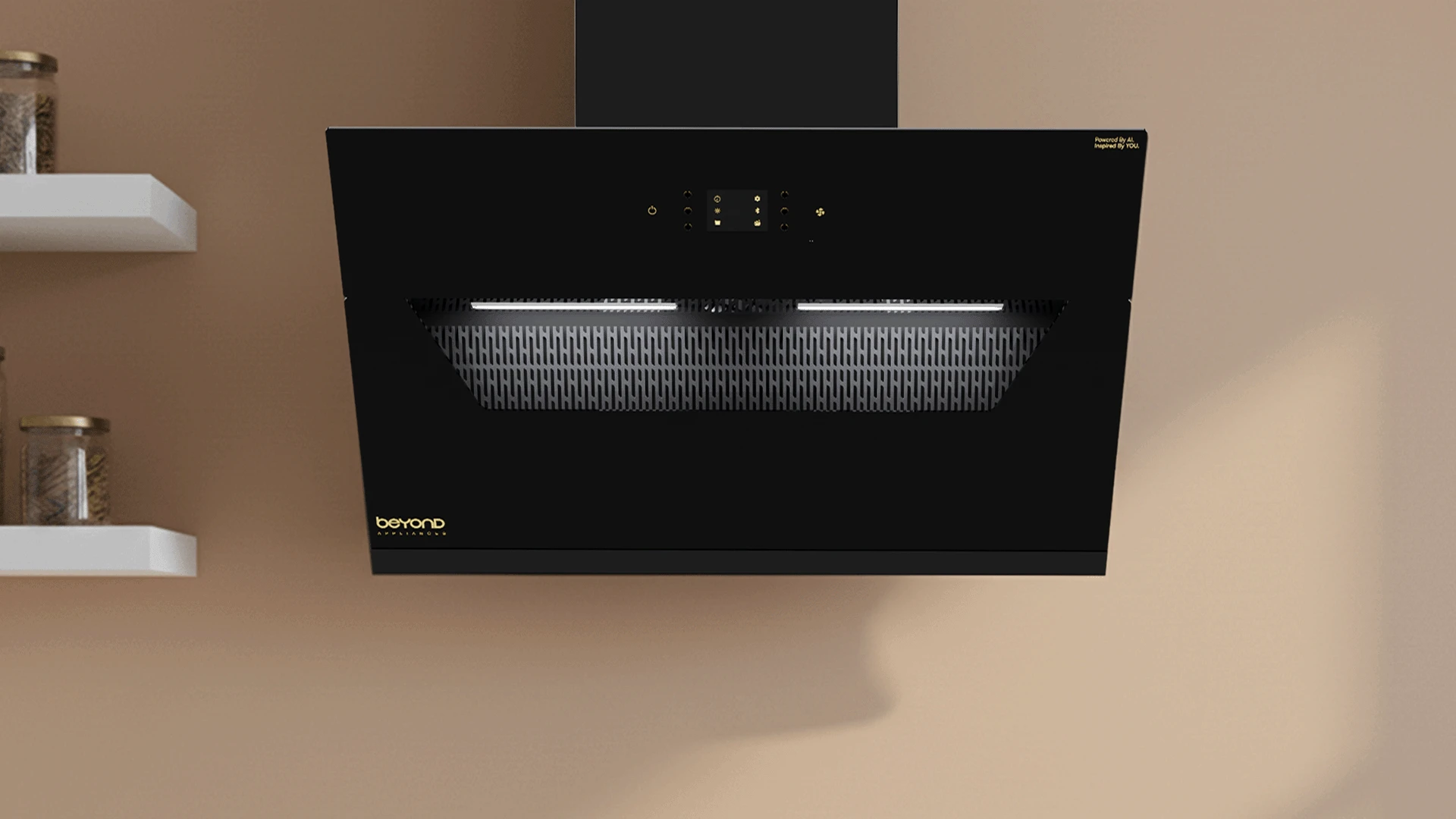
Modern kitchens demand smart ventilation solutions that blend functionality with style. A well-designed kitchen chimney transforms your cooking space by eliminating smoke, odors, and grease while enhancing the overall aesthetic. Whether you're renovating an existing kitchen or planning a new one, these expert kitchen design chimney tips will help you create an efficient and beautiful cooking environment. From compact solutions for small spaces to advanced ventilation technologies, proper chimney selection and installation can significantly improve your culinary experience.
Understanding the basics of kitchen chimney design forms the foundation for making informed decisions. The right chimney not only removes cooking fumes effectively but also complements your kitchen's visual appeal. Modern chimneys come in various styles, each designed to meet specific spatial and functional requirements.
Proper ventilation calculations ensure optimal performance. For kitchens up to 175 square feet, a chimney with 400-600 CFM (Cubic Feet per Minute) suction power works well. Larger kitchens require 800-1200 CFM capacity for effective smoke removal.
Different kitchen layouts demand specific chimney types. Wall-mounted chimneys suit most standard kitchens, while island chimneys work perfectly for open-plan designs. Built-in models offer seamless integration with cabinetry, and corner chimneys maximize space utilization in L-shaped layouts.
Proper installation significantly impacts your chimney's performance and longevity. Following professional chimney installation tips ensures optimal functionality and prevents common operational issues. The positioning, electrical connections, and ductwork planning require careful consideration for best results.
This industry-standard rule guides proper chimney sizing and positioning. The chimney should be positioned 24-30 inches above the cooktop, with width matching or exceeding the cooktop size. The depth should provide adequate coverage for effective smoke capture without obstructing movement.
For ducted systems, plan the shortest possible route to the exterior wall. Minimize bends and obstacles in the ductwork to maintain optimal airflow. Ensure adequate electrical supply and proper grounding for safe operation.
Small kitchens present unique challenges that require innovative compact kitchen chimney solutions. Space constraints don't mean compromising on ventilation quality. Modern manufacturers offer specialized designs that maximize efficiency while minimizing spatial footprint.
Slim-profile chimneys under 6 inches deep work excellently in compact spaces. Telescopic models offer adjustable heights for flexible installation. Some designs incorporate storage features, combining ventilation with additional functionality.
Straight-line chimneys complement galley kitchen layouts perfectly. Curved designs work well for corner installations, while pyramid shapes offer superior suction efficiency in limited spaces. Consider the best chimney for small kitchen based on your specific layout constraints.
Ductless systems offer flexibility and convenience for various installation scenarios. Understanding ductless chimney benefits helps determine when these systems provide the optimal solution. They're particularly valuable in apartments, rental properties, and retrofit installations where external ducting isn't feasible.
Apartment living often restricts external modifications, making ductless systems ideal. They're also cost-effective for existing kitchens where adding ductwork would be expensive or impractical. Installation flexibility makes them suitable for various kitchen configurations.
Modern ductless chimneys use sophisticated filtration systems. Baffle filters handle grease effectively, while cassette filters offer easy maintenance. Carbon filters eliminate odors, requiring replacement every 3-6 months depending on usage intensity.
Making informed purchasing decisions requires understanding key specifications and features. This comprehensive chimney buying guide covers essential elements that impact performance, durability, and user experience. Consider both immediate needs and long-term requirements when evaluating options.
Suction power determines effectiveness in removing smoke and odors. Small kitchens (up to 100 sq ft) need 400-600 CFM, medium kitchens (100-175 sq ft) require 600-800 CFM, and large kitchens (175+ sq ft) need 800-1200 CFM. Dual motor systems provide better performance and backup functionality.
Touch controls offer convenient operation and easy cleaning. LED lighting illuminates the cooking area effectively. Auto-clean technology reduces maintenance requirements, while heat sensors provide safety protection. Timer functions enable automatic shut-off for energy efficiency.
Proper installation ensures optimal performance and prevents operational issues. Following professional guidelines for placement, clearances, and connections maximizes your investment's value. Avoiding common mistakes saves time, money, and frustration in the long run.
Incorrect height positioning reduces suction efficiency significantly. Insufficient cabinet clearance (minimum 2 inches required) causes heat damage and restricts airflow. Decorative elements that obstruct airflow compromise performance and may create safety hazards.
Kitchen placement affects chimney efficiency and user comfort. South-east facing kitchens generally provide better ventilation conditions. Cooking while facing east or west optimizes natural light and airflow patterns for enhanced cooking experiences.
Regular maintenance ensures consistent performance and extends equipment lifespan. Following a structured chimney maintenance guide prevents costly repairs and maintains optimal air quality. Proper care also preserves warranty coverage and ensures safe operation.
Weekly external cleaning with mild detergent maintains appearance and prevents grease buildup. Monthly filter cleaning ensures optimal airflow and suction efficiency. Annual professional servicing addresses internal components and electrical connections for continued safe operation.
Reduced suction often indicates clogged filters or blocked ductwork. Unusual noises may signal motor issues or loose components requiring attention. Electrical problems should always be addressed by qualified technicians for safety reasons.
Pyramid chimneys offer superior suction efficiency for most kitchens. Straight-line models work well in galley kitchens, while curved designs suit corner installations. T-shaped chimneys provide excellent coverage for larger cooktops and heavy cooking requirements.
This rule guides proper sizing and positioning. Install the chimney 24-30 inches above the cooktop, ensure width equals or exceeds cooktop width, and provide adequate depth for effective smoke capture. Following this rule optimizes performance and safety.
Installing at incorrect heights, insufficient clearances, poor ductwork planning, and ignoring electrical requirements are frequent errors. Choosing inadequate suction power for kitchen size and neglecting regular maintenance also compromise performance significantly.
South-east kitchen placement generally offers better ventilation conditions. Avoid north and north-east installations when possible. Consider natural airflow patterns and cooking habits when determining optimal chimney positioning for your specific kitchen layout.
Successful kitchen design chimney tips implementation requires balancing functionality, aesthetics, and spatial constraints. Choose appropriate suction power based on kitchen size, ensure proper installation height and clearances, and maintain equipment regularly for optimal performance. Whether selecting ducted or ductless systems, prioritize quality components and professional installation for long-term satisfaction. Remember that the right chimney enhances both cooking efficiency and kitchen ambiance, making it a worthwhile investment in your home's functionality and value.
