
Which Hob Cleans Easiest? Your Complete Guide
Cart
Your cart is empty
Keeping your kitchen spotless starts with choosing the right cooking surface. The question of which hob cleans easiest affects daily life more than most people realize. A smooth, easy-to-maintain cooktop saves precious time and reduces stress in busy households. Modern hob technology offers several options, each with distinct cleaning advantages. Understanding these differences helps you make an informed choice that fits your lifestyle and cooking habits perfectly.
Induction hobs consistently rank as the easiest to clean cooktop option available today. Their flat glass surface eliminates crevices where food particles hide. The magnetic heating technology only warms your cookware, leaving the surface cool to touch. This prevents spills from burning onto the hob surface, making cleanup effortless.
The smooth glass surface wipes clean with a damp cloth in seconds. No burnt-on food means no scraping or harsh chemicals. Spills stay liquid longer, allowing easy removal before they harden. The uniform surface has no raised edges or gaps that trap grease and debris.
Simple maintenance keeps your induction hob cleaning routine quick and effective. Wait for the surface to cool completely after cooking. Use a soft microfiber cloth with warm water for daily cleaning. For stubborn spots, apply a small amount of glass cleaner and wipe gently. Avoid abrasive materials that might scratch the surface.
Ceramic and glass hobs offer excellent cleaning convenience as the second-best option. Their smooth, non-porous surfaces resist staining and allow easy maintenance. Unlike gas hobs, they have no removable parts or hidden crevices. The flat design makes wiping spills straightforward and quick.
The sealed surface prevents liquids from seeping into gaps. Heat zones are clearly marked, helping you avoid hot areas during cleaning. Most ceramic surfaces resist scratching when proper cleaning techniques are used. Regular maintenance prevents buildup that requires intensive scrubbing.
Specialized glass hob cleaning products work better than general cleaners. Use a plastic scraper for burnt-on food, moving gently in one direction. Apply cleaner while the surface is slightly warm for better results. Polish with a dry cloth to prevent streaking and maintain the glossy finish.
Different hob surfaces require varying levels of maintenance effort. Understanding these differences helps you choose the best hob surface for your cleaning preferences. Time investment and difficulty levels vary significantly between hob types.
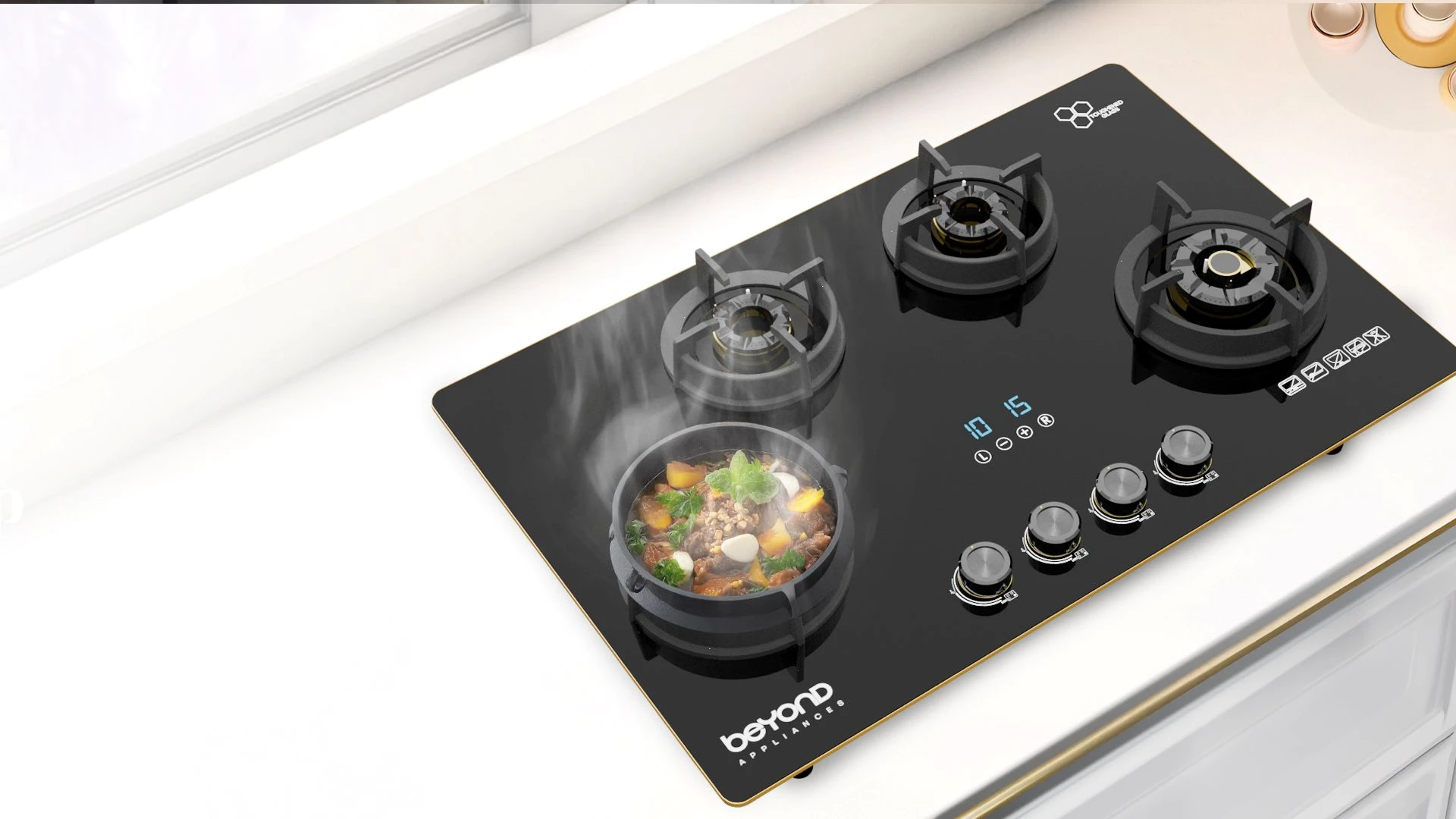
Gas hobs demand more cleaning time due to removable grates and burner caps. Grease accumulates around burner heads and in pan support crevices. Each component requires individual attention during cleaning. The multiple surfaces and angles make thorough cleaning time-consuming.
Electric coil hobs fall between gas and glass surfaces for cleaning difficulty. Drip pans collect spills but need regular removal and washing. Coils themselves cannot be submerged in water. The raised elements create shadows where debris accumulates over time.
Effective hob maintenance extends appliance life and keeps surfaces looking new. Different materials require specific cleaning approaches and products. Following manufacturer guidelines prevents damage and maintains warranty coverage.
Induction and ceramic hobs need glass cleaners and plastic scrapers. Gas hobs require degreasers and small brushes for detailed work. Microfiber cloths work well on all surfaces without scratching. Avoid steel wool and harsh abrasives on any hob type.
Daily wipe-downs after each cooking session prevent buildup. Weekly deep cleaning maintains optimal appearance and function. Monthly intensive care addresses any accumulated residue. Consistent routines make cleaning faster and more effective over time.
Selecting a low maintenance hob depends on your cooking style and available time. Heavy cooking requires more durable, easy-clean surfaces. Large families benefit from quick-cleaning options that handle frequent use. Consider your cleaning preferences alongside cooking needs.
Busy schedules favor induction hobs for their minimal cleaning requirements. Frequent entertaining benefits from surfaces that clean quickly between uses. Cooking enthusiasts might prioritize performance over cleaning ease. Budget considerations include long-term maintenance costs and replacement needs.
Induction hobs are universally recognized as the easiest to clean. Their flat glass surface and cool-touch technology prevent food from burning on, making cleanup effortless with just a damp cloth.
Wipe the surface with a damp microfiber cloth after each use. For induction and ceramic hobs, this simple step prevents buildup. Gas hobs need grate removal and individual component cleaning for thorough maintenance.
Glass cleaners suit induction and ceramic surfaces perfectly. Gas hobs need specialized degreasers for effective cleaning. Always check manufacturer recommendations before using new cleaning products on your hob surface.
No, different surfaces require specific approaches. Induction hobs need gentle wiping, while gas hobs require component disassembly. Electric coils need careful cleaning around heating elements to avoid damage.
Weekly deep cleaning maintains most hob types effectively. Heavy users might need twice-weekly sessions. Monthly intensive cleaning addresses any accumulated residue that daily maintenance misses.
Induction hobs with tempered glass resist staining excellently. Ceramic surfaces also perform well against discoloration. Gas hobs show stains more readily due to their multiple components and crevices.
Choosing which hob cleans easiest significantly impacts your daily kitchen experience. Induction hobs lead for effortless maintenance, followed closely by ceramic and glass options. Consider your cooking habits, family size, and available cleaning time when making this important decision. The right choice makes cooking more enjoyable and kitchen maintenance stress-free.
