

What Makes a Chimney Efficient? Your FAQ Answered
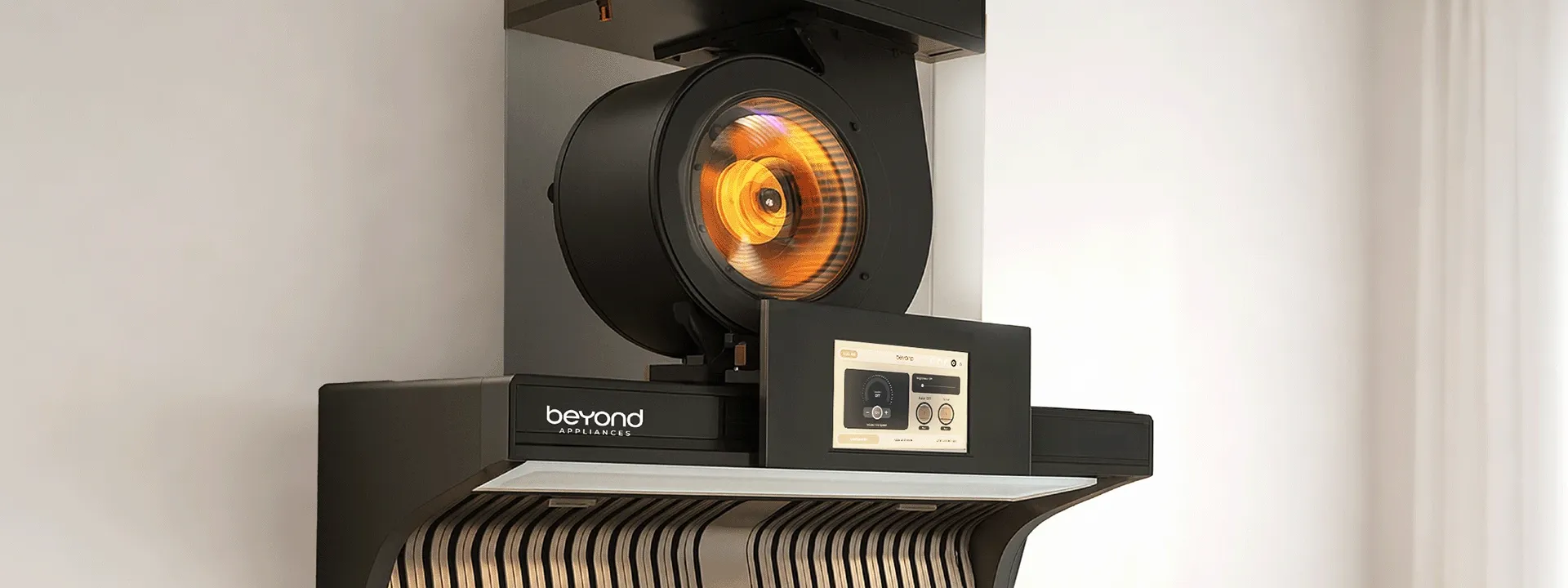
Kitchen chimneys and fireplace systems work best when they create strong airflow that removes smoke and cooking odors efficiently. Understanding what makes a chimney efficient helps you choose the right system for your home and maintain it properly. Several factors work together to create optimal performance, from proper sizing and installation to regular maintenance and smart design choices.
Chimney efficiency depends on creating the right conditions for smooth airflow and effective ventilation. The basic principle involves temperature differences that create natural draft, pulling air and smoke upward through the flue. Modern kitchen chimneys also use powerful motors to enhance this natural process.
Natural draft occurs when hot air rises through the chimney because it weighs less than cold outside air. This creates a pressure difference that pulls smoke and cooking vapors upward. Kitchen chimneys enhance this process with electric fans that boost suction power significantly.
Several parts work together to create efficient airflow. The flue liner provides a smooth pathway for smoke, while the chimney cap prevents downdrafts and keeps rain out. Proper damper function allows you to control airflow when the system is not in use.
Smart design choices make the biggest difference in how well your chimney performs. The right height, proper sizing, and quality materials all contribute to better efficiency and longer-lasting performance.
Kitchen chimneys work best when installed at the correct height above your cooktop. Most models perform optimally when mounted 24 to 30 inches above gas stoves and 18 to 24 inches above electric cooktops. This distance ensures effective capture of cooking vapors without interfering with your cooking activities.
The ductwork size directly affects chimney performance. Larger ducts allow better airflow with less resistance, while properly sealed connections prevent air leaks that reduce efficiency. Straight duct runs work better than systems with multiple bends or turns.
Modern kitchen chimneys typically offer suction power ranging from 400 to 1500 cubic meters per hour. Higher suction power handles heavy cooking and larger kitchen spaces more effectively. Energy-efficient motors provide strong performance while keeping electricity consumption reasonable.
Kitchen chimneys face unique challenges compared to fireplace systems. They must handle grease, steam, and various cooking odors while operating quietly and efficiently. The right features make daily cooking more pleasant and keep your kitchen cleaner.
Baffle filters work better than traditional mesh filters because they separate grease more effectively and require less frequent cleaning. Auto-clean technology uses heat to break down grease deposits, reducing manual maintenance needs. Clean filters maintain optimal airflow and prevent motor strain.
Efficient chimneys balance strong suction with quiet operation. Well-designed motor mounts and quality components reduce vibration and noise. Most modern units operate at 45-55 decibels, which allows normal conversation during cooking.
Understanding power consumption helps you choose an efficient model and operate it cost-effectively. Most kitchen chimneys use modest amounts of electricity while providing significant benefits for your cooking environment.
Typical kitchen chimneys consume 100-250 watts during operation, similar to a bright light bulb. Running your chimney for 2-3 hours daily costs approximately INR 50-100 per month in electricity. Energy-efficient models with LED lighting and optimized motors keep costs even lower.
Quality chimneys maintain efficiency over many years with proper care. Stainless steel construction resists corrosion, while reliable motors provide consistent performance. Good warranty coverage protects your investment and ensures ongoing support.
Regular maintenance keeps your chimney working efficiently and extends its lifespan significantly. Simple cleaning routines and periodic professional service prevent most common problems that reduce performance.
Clean filters monthly or when grease buildup becomes visible. Wipe down exterior surfaces weekly to prevent grease accumulation. Deep cleaning every 3-6 months removes stubborn deposits and keeps all components functioning properly.
Annual professional service checks motor performance, electrical connections, and ductwork condition. Technicians can identify potential problems early and perform maintenance that keeps your system running efficiently. Many manufacturers offer service packages that include regular maintenance visits.
Small kitchens (up to 100 square feet) work well with 400-600 CFM suction power. Medium kitchens need 600-900 CFM, while large kitchens require 900-1500 CFM for effective ventilation. Consider your cooking style and frequency when choosing suction capacity.
Most kitchen chimneys consume 1-2 units of electricity per day with normal use. A 150-watt chimney running 3 hours daily uses about 0.45 units, costing approximately INR 3-5 per day depending on local electricity rates.
Quality motor design, proper mounting systems, and sound insulation reduce noise levels significantly. Chimneys with multiple speed settings allow you to use lower speeds for light cooking, which operates more quietly while still providing adequate ventilation.
Clean filters monthly for regular cooking or every 2-3 weeks for heavy cooking with lots of frying or grilling. Auto-clean models reduce this frequency to every 2-3 months, while baffle filters typically need cleaning every 4-6 weeks depending on usage.
Ductless chimneys filter and recirculate air rather than venting it outside. They work well for apartments or homes where external ducting is not possible, though ducted systems generally provide better odor removal for heavy cooking.
Proper height above the cooktop, straight duct runs with minimal bends, and secure mounting all improve efficiency. Professional installation ensures optimal performance and prevents common problems like inadequate suction or excessive noise.
Efficient chimneys combine proper sizing, quality components, and regular maintenance to provide years of reliable performance. Choose models with appropriate suction power for your kitchen size and cooking habits. Regular filter cleaning and annual professional service keep your system working at peak efficiency while minimizing operating costs and extending equipment life.
