

What is High Airflow? Your Essential FAQ Answered
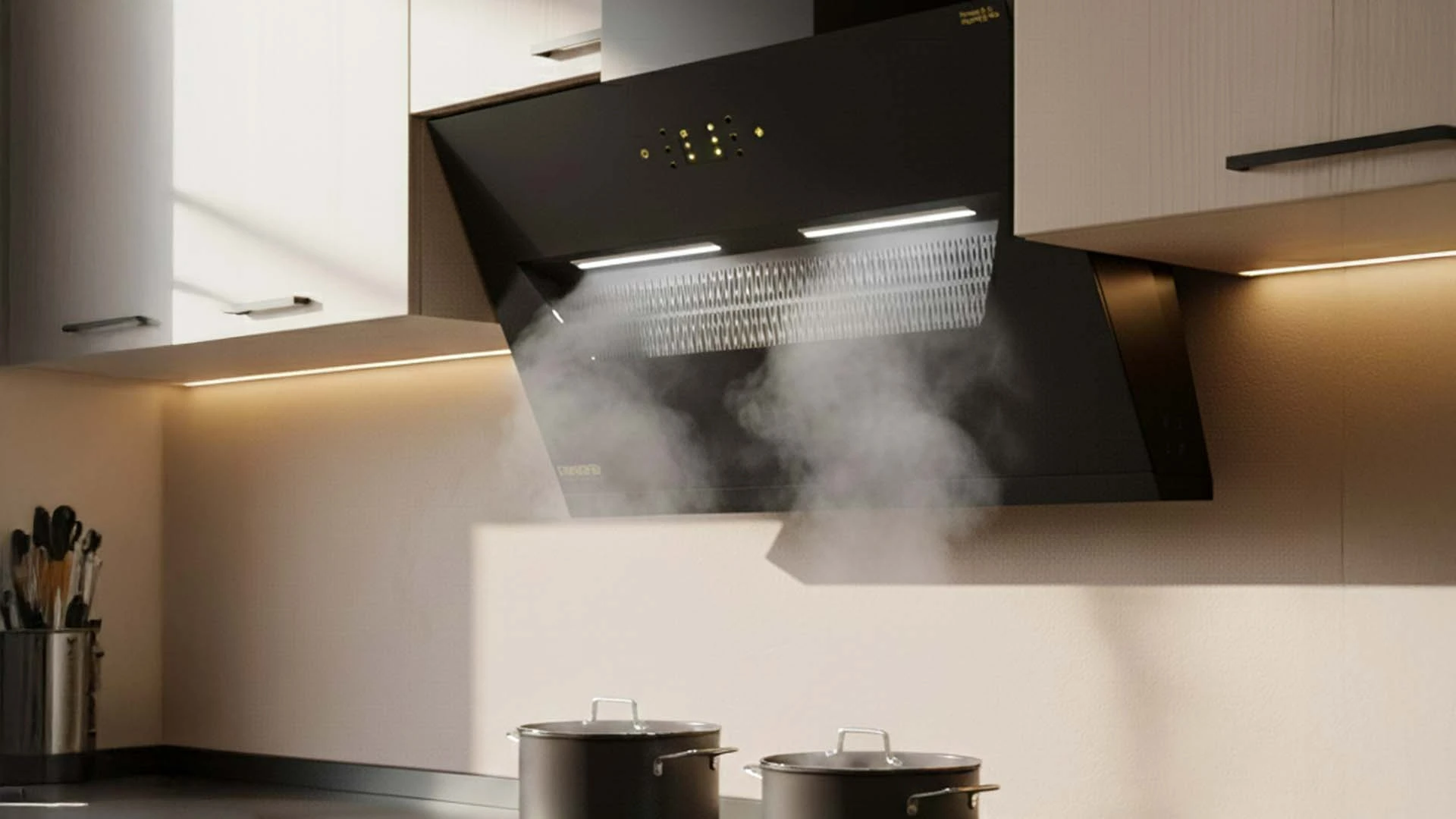
Understanding airflow is crucial when selecting kitchen appliances, especially when it comes to chimneys and ventilation systems. Whether you're upgrading your cooking space or building a new kitchen, knowing what high airflow means can help you make informed decisions about your appliances. High airflow directly impacts how effectively your kitchen ventilation removes smoke, odors, and grease particles from your cooking area.
Airflow refers to the movement of air through a space or system, measured in cubic feet per minute (CFM) or cubic meters per hour (CMH). In kitchen appliances like chimneys, airflow determines how much air the system can move to keep your cooking area fresh and clean.
Airflow is the volume of air that passes through a given point in a specific time period. Kitchen chimneys use powerful motors and fans to create this air movement, pulling cooking fumes upward and away from your cooking surface.
CFM measurement: Cubic feet per minute indicates air volume capacity
Air circulation: Continuous movement prevents smoke and odor buildup
Ventilation efficiency: Higher airflow means faster removal of cooking byproducts
High airflow systems typically operate above 600 CFM, while standard systems range from 200-500 CFM. Kitchen chimneys with high airflow are ideal for heavy cooking, large kitchens, or homes where multiple burners are used simultaneously.
High airflow range: 600-1200+ CFM for residential kitchens
Performance benefits: Faster smoke clearance and odor removal
Cooking compatibility: Perfect for Indian cooking styles with high heat and spices
While airflow measures volume, static pressure measures the force needed to move air through resistance. Both factors work together in kitchen ventilation systems to ensure optimal performance.
Static pressure is the resistance air encounters when moving through ducts, filters, and other components. Higher static pressure capability means your chimney can maintain strong airflow even with longer ductwork or dense filters.
Kitchen chimneys use different fan designs depending on installation requirements. High airflow fans excel in open spaces, while static pressure fans work better with extensive ductwork or multiple bends in the ventilation path.
Modern kitchen chimneys incorporate advanced fan technology to maximize airflow while minimizing noise. The design of blades, motors, and housing all contribute to overall performance.
High airflow fans use specially designed blades that move large volumes of air efficiently. These fans typically feature larger diameters and optimized blade angles to create maximum air movement with minimal energy consumption.
Effective airflow design involves more than just powerful fans. The chimney's internal structure, filter placement, and duct connections all impact overall performance and efficiency.
Accurate airflow measurement helps determine if your kitchen ventilation meets your cooking needs. Professional installation teams use specialized tools to verify airflow performance after installation.
Airflow measurement requires proper tools and techniques. Anemometers and flow hoods provide accurate readings, while simple smoke tests can give visual confirmation of air movement patterns.
CFM ratings indicate maximum airflow capacity under ideal conditions. Real-world performance may vary based on installation factors like duct length, bends, and filter density.
Proper airflow in kitchen ventilation systems protects your home from smoke damage, reduces odors, and maintains air quality. High airflow becomes especially important in Indian kitchens where cooking involves high heat and aromatic spices.
Different cooking styles require different airflow capacities. Heavy frying, grilling, or tandoor-style cooking generates more smoke and requires higher CFM ratings for effective ventilation.
Modern high airflow chimneys balance performance with energy efficiency. Variable speed controls allow you to adjust airflow based on cooking intensity, saving energy while maintaining effectiveness.
Selecting the right airflow capacity depends on your kitchen size, cooking habits, and installation constraints. Consider factors like ceiling height, kitchen layout, and typical cooking volume when choosing your chimney.
Quality high airflow fans feature durable motors, efficient blade designs, and quiet operation. Look for chimneys with multiple speed settings and easy-to-clean components for long-term satisfaction.
Maximize your chimney's airflow performance through proper installation, regular maintenance, and strategic placement. Clean filters and unobstructed ducts ensure optimal air movement throughout the system's lifespan.
For Indian kitchens, aim for 600-900 CFM for standard cooking or 900-1200 CFM for heavy cooking. Larger kitchens or open floor plans may require higher ratings.
Higher airflow typically increases noise, but quality chimneys use sound dampening technology to minimize operational noise while maintaining strong performance.
High airflow chimneys require adequate ductwork and proper installation. Consult with installation professionals to ensure your kitchen can support high CFM systems.
Clean filters monthly and have professional servicing every 6-12 months to maintain optimal airflow performance and extend equipment life.
Ducted systems exhaust air outside, while ductless systems filter and recirculate air. Ducted systems typically provide better airflow performance for heavy cooking applications.
High airflow in kitchen ventilation systems ensures effective removal of smoke, odors, and cooking byproducts. Understanding airflow ratings, static pressure requirements, and proper installation helps you choose the right chimney for your cooking needs. Regular maintenance and professional installation maximize performance and ensure long-term satisfaction with your kitchen ventilation system.
