

What is an Intelligent Kitchen? Your Connected Kitchen Questions Answered
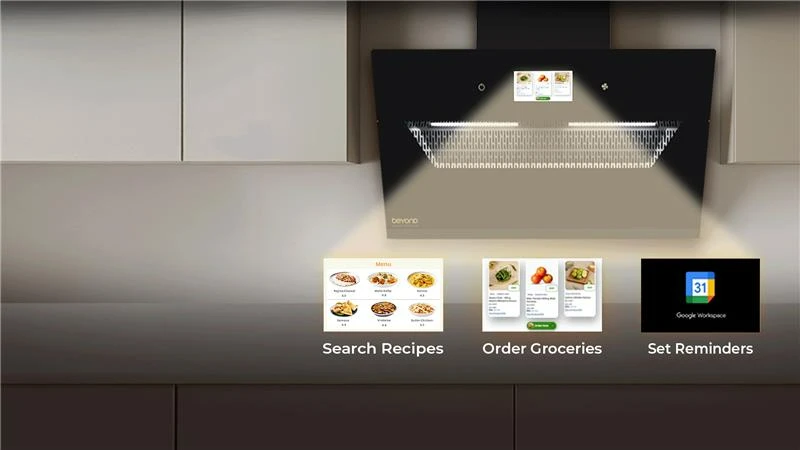
Modern kitchens are evolving beyond simple cooking spaces into sophisticated, technology-driven environments that anticipate your needs and streamline daily routines. An intelligent kitchen represents the convergence of cutting-edge appliances, smart connectivity, and automated systems that work together to create a seamless cooking experience. These connected kitchen environments leverage Internet of Things (IoT) technology, artificial intelligence, and intuitive design to transform how we prepare meals, manage resources, and interact with our cooking spaces.
An intelligent kitchen goes far beyond having a few smart gadgets scattered around your cooking space. It represents a comprehensive ecosystem where every appliance, sensor, and system communicates to create a unified, efficient environment. This kitchen automation transforms routine tasks into effortless experiences while optimizing energy consumption and enhancing safety.
The core of any intelligent kitchen lies in its interconnected components that work harmoniously together. IoT sensors monitor everything from air quality to ingredient freshness, while AI integration learns your cooking patterns and preferences to suggest optimal settings and timing. Connected appliances share information seamlessly, creating a digital kitchen environment that anticipates your needs before you even realize them.
Internet of Things integration forms the backbone of smart kitchen functionality, enabling appliances to communicate with each other and with your smartphone or voice assistants. Machine learning algorithms analyze your cooking habits, ingredient usage, and energy consumption patterns to continuously improve performance and suggest optimizations. Voice control and smartphone connectivity allow you to monitor and control your kitchen remotely, ensuring meals are ready when you arrive home.
The heart of any intelligent kitchen lies in its collection of connected appliances that work together to create a seamless cooking environment. These modern kitchen appliances incorporate advanced sensors, AI capabilities, and connectivity features that revolutionize how we approach food preparation and kitchen management.
Smart refrigerators serve as command centers for your kitchen, tracking inventory, suggesting recipes based on available ingredients, and even ordering groceries automatically when supplies run low. Intelligent ovens adjust cooking times and temperatures based on food type and desired doneness, while providing remote monitoring capabilities through smartphone apps.
Connected dishwashers optimize wash cycles based on load size and soil level, sending maintenance alerts before issues arise. Smart faucets activate with motion sensors and can dispense precise water amounts for recipes while monitoring usage to promote conservation.
Smart lighting systems automatically adjust brightness and color temperature based on the time of day and cooking activities, reducing eye strain during food preparation. Automated ventilation systems monitor air quality and adjust fan speeds accordingly, ensuring optimal cooking conditions while minimizing energy waste.
Connected small appliances like coffee makers, blenders, and food processors can be programmed to start automatically or controlled remotely, allowing you to begin meal preparation before entering the kitchen.
Understanding how kitchen technology works in practice helps illustrate the true potential of intelligent kitchen design. Real-world implementations demonstrate how connected appliances coordinate to create efficient, enjoyable cooking experiences that adapt to individual lifestyles and preferences.
Integrated ecosystems showcase the full potential of connected kitchen technology, where refrigerators communicate with ovens to suggest cooking methods for stored ingredients, while smart ventilation systems automatically activate when cooking begins. These comprehensive setups demonstrate how automated cooking can transform daily routines into effortless experiences.
Morning routines become streamlined when coffee makers start brewing based on alarm settings, while smart ovens preheat for breakfast preparation. Dinner coordination involves synchronized appliance timing, where rice cookers, ovens, and stovetops work together to ensure all components of a meal finish simultaneously.
Energy-efficient cooking emerges through smart scheduling that takes advantage of off-peak electricity rates and optimizes appliance usage patterns based on household routines.
The advantages of implementing intelligent kitchen solutions extend far beyond convenience, encompassing efficiency, safety, sustainability, and cost savings. These benefits compound over time, making smart kitchen investments increasingly valuable as technology continues to evolve and improve.
Streamlined meal preparation emerges through connected workflows that coordinate multiple appliances and automate routine tasks. Automated inventory management tracks ingredient usage and expiration dates, generating shopping lists and suggesting meal plans based on available items.
Remote monitoring capabilities allow you to start cooking processes while away from home, ensuring meals are ready upon arrival without overcooking or energy waste.
Accident prevention systems use smart sensors to detect gas leaks, overheating, or unusual appliance behavior, automatically shutting down equipment and sending alerts to prevent dangerous situations. Energy optimization algorithms reduce utility costs by scheduling high-consumption appliances during off-peak hours and optimizing usage patterns.
Food waste reduction occurs through intelligent storage monitoring that alerts you to expiring ingredients and suggests recipes to use them before spoilage occurs.
Transitioning to an intelligent kitchen requires careful planning and consideration of existing infrastructure, budget constraints, and long-term goals. Strategic implementation ensures maximum benefit while minimizing disruption to daily routines and avoiding compatibility issues between different smart systems.
Entry-level connected appliances provide an accessible starting point for kitchen automation, with smart plugs and sensors offering immediate benefits at minimal cost. Gradual transformation approaches allow you to add intelligent features over time, spreading costs while learning how different technologies integrate with your cooking habits.
Compatibility requirements must be evaluated to ensure new smart appliances work with existing kitchen layouts and electrical systems. Network infrastructure needs assessment helps determine if additional Wi-Fi coverage or dedicated smart home hubs are necessary for reliable connectivity.
Future-proofing considerations include selecting appliances with updateable software and open connectivity standards to ensure long-term compatibility with emerging technologies.
The evolution of intelligent kitchens continues accelerating as artificial intelligence becomes more sophisticated and new technologies emerge. Understanding these trends helps inform current purchasing decisions and prepares homeowners for the next generation of innovative kitchen solutions.
Predictive cooking algorithms analyze your preferences, dietary restrictions, and schedule to suggest optimal meal plans and automatically adjust cooking parameters. Machine learning optimization continuously improves energy efficiency and cooking results based on usage patterns and feedback.
Voice-activated cooking assistants provide step-by-step recipe guidance, timer management, and real-time cooking advice, making complex recipes accessible to cooks of all skill levels.
Augmented reality interfaces overlay cooking instructions and timing information directly onto your field of vision, eliminating the need to constantly reference recipes or timers. Robotic kitchen assistants handle repetitive tasks like chopping, stirring, and cleaning, freeing you to focus on creative aspects of cooking.
Integration with smart home ecosystems and health monitoring devices creates personalized nutrition tracking and meal planning based on fitness goals and medical requirements.
A smart kitchen example includes connected appliances like refrigerators that track inventory and suggest recipes, ovens that can be preheated remotely, smart faucets with voice activation, and integrated lighting systems that adjust automatically. These components work together through a central hub or smartphone app to create a seamless cooking experience.
Intelligent kitchen upgrades can range from INR 50,000 for basic smart appliances to INR 5,00,000 or more for complete connected kitchen renovations. Entry-level options include smart plugs and sensors starting around INR 2,000, while premium smart refrigerators and ovens can cost INR 1,00,000 to INR 3,00,000 each.
Smart kitchen appliances provide value through energy savings, improved food safety, reduced waste, and enhanced convenience. Most users see return on investment within 2-3 years through reduced utility bills and food waste, while enjoying improved cooking experiences and time savings throughout ownership.
Connected kitchen security requires regular software updates, strong Wi-Fi passwords, and network segmentation to protect against unauthorized access. Choose appliances from reputable manufacturers with proven security track records and enable two-factor authentication where available.
Traditional kitchens rely on manual operation and basic appliances, while smart kitchens feature connected devices that communicate with each other and can be controlled remotely. Smart kitchens offer automation, energy optimization, and predictive capabilities that traditional kitchens cannot provide.
Intelligent kitchens represent the future of cooking, combining connectivity, automation, and artificial intelligence to create efficient, safe, and enjoyable cooking environments. While initial investment costs may seem significant, the long-term benefits of energy savings, reduced food waste, enhanced safety, and improved convenience make smart kitchen technology a worthwhile upgrade for modern homes. Starting with basic connected appliances and gradually building a comprehensive intelligent kitchen ecosystem allows homeowners to experience these benefits while spreading costs over time.
