

What Is an Electronic Timer Stove? Full Guide
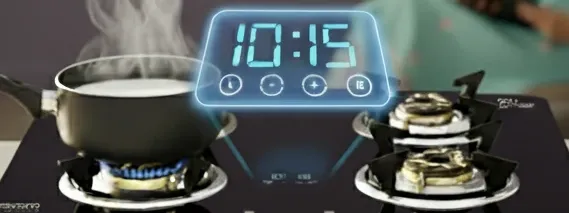
Modern kitchens are evolving with smart technology, and electronic timer stoves represent a significant leap in cooking convenience and safety. These innovative appliances combine traditional cooking methods with digital precision, offering homemakers the ability to cook with confidence while managing busy schedules. An electronic timer stove is essentially a cooking appliance equipped with a digital timing system that can automatically control cooking duration, start times, and even shut-off functions. Unlike traditional stoves that require constant monitoring, these smart cooking solutions provide peace of mind and enhanced safety features that modern families need.
An electronic timer stove is a cooking appliance that integrates digital timing technology with conventional gas or electric cooking systems. The primary difference between traditional stoves and electronic timer models lies in their ability to provide precise time control and automated cooking functions. The core components of an electronic timer system include a crystal oscillator that maintains accurate timekeeping, sequencing logic circuits that control various cooking functions, and a digital display that shows remaining cooking time and settings. These components work together to create a reliable and user-friendly cooking experience.
The crystal-controlled oscillator serves as the heart of the timing mechanism, ensuring accuracy within seconds over extended cooking periods. Digital display systems provide clear visibility of timer settings, while pre-programmed control circuits manage the interaction between timing functions and cooking elements. Modern electronic timer stoves typically consume between 1-5 watts for their digital components, making them energy-efficient additions to any kitchen.
The technology behind electronic timer stoves relies on precise digital circuits that monitor and control cooking processes. When you set a cooking timer, the system begins counting down from your specified duration while maintaining communication with the stove's control mechanisms. Crystal oscillators provide the fundamental timing reference, operating at specific frequencies to ensure consistent timekeeping. The digital timer system processes this information through logic circuits that can trigger various actions, such as adjusting heat levels, activating alarms, or completely shutting off gas supply or electrical elements.
Modern electronic timer stoves often incorporate advanced safety features that work alongside the timing mechanism. These systems can detect flame failure, monitor gas pressure, and automatically shut off fuel supply when cooking time expires. The integration ensures that even if you forget about your cooking, the appliance will safely manage the situation.
The market offers various types of electronic timer systems designed to meet different cooking needs and kitchen configurations. Understanding these options helps you choose the right solution for your home. Built-in oven timer systems come integrated with electric and gas ovens, providing seamless control over baking and roasting functions. Standalone cooktop timer kits can be added to existing gas stoves, while portable kitchen timer devices offer flexibility for various cooking tasks.
Advanced models feature smart connectivity that allows remote monitoring and control through smartphone applications. These systems can send notifications when cooking time expires and even provide recipe-based timing suggestions. Some premium models integrate with home automation systems for comprehensive kitchen management.
Products like the Cooktops Auriga demonstrate how timer features enhance cooking safety and convenience. This ISI Certified cooktop includes a smart timer that automatically switches off gas supply when the set time expires, combined with flame failure devices and auto-ignition systems for comprehensive cooking control.
Electronic timer stoves offer numerous advantages that make cooking safer, more convenient, and energy-efficient. The precise time control capabilities allow for cooking durations up to 6+ hours, making them ideal for slow-cooking methods and extended meal preparation. Automatic on/off functionality eliminates the risk of overcooking or leaving appliances running unattended. This feature is particularly valuable for busy households where multitasking is common. The timer settings can be programmed for different cooking modes, from quick sautéing to long braising sessions.
Safety features include automatic shutoff mechanisms that prevent gas leaks or electrical hazards. Many models incorporate flame failure devices that immediately cut gas supply if flames are extinguished accidentally. Energy efficiency improvements come from precise timing that prevents unnecessary fuel consumption and optimized cooking cycles.
Some electronic timer stoves include specialized functions like pyrolysis cleaning timers for self-cleaning ovens, meat probe compatibility for precise temperature monitoring, and cavity probe integration for comprehensive cooking control. These features transform basic cooking into a precise culinary experience.
Using an electronic timer stove effectively requires understanding the setup process and available functions. Most systems follow similar operational principles, though specific controls may vary between manufacturers. Begin by ensuring your stove is properly connected and all safety systems are functional. Set your desired cooking duration using the digital controls, typically accessed through a control panel or touchscreen interface. Many models allow you to set both immediate cooking times and delayed start functions for meal planning convenience.
When programming timer settings, always verify that your cookware is properly positioned and that all safety features are active. Set appropriate cooking temperatures before activating timer functions, and ensure adequate ventilation for gas models. Always test the timer function with shorter durations before using extended cooking times.
Choosing between electronic and mechanical timer systems depends on your cooking habits, budget, and desired features. Digital timer systems offer superior precision and programming flexibility, while mechanical timers provide simplicity and reliability. Electronic timers excel in accuracy, typically maintaining precision within seconds over extended periods. They offer multiple programming options, memory functions, and integration with other appliance systems. However, they may require more maintenance and can be affected by power fluctuations.
Mechanical timers generally cost less initially and require minimal maintenance, but they lack the precision and advanced features of electronic systems. Electronic timers may have higher upfront costs but often provide better long-term value through energy savings and enhanced cooking control. Consider your cooking frequency and complexity when making this decision.
Most electronic timer stoves feature intuitive control panels with digital displays. Press the timer button, use the numeric keypad or dial to set your desired cooking time (up to 6+ hours maximum), and confirm your selection. The display will show the countdown, and the system will automatically manage the cooking process according to your settings.
Most modern electronic timer stoves include battery backup systems that maintain timer functions during brief power outages. However, extended power loss may reset the system. Always check your timer settings after power restoration and ensure safety systems are functioning properly before resuming cooking.
Yes, many aftermarket electronic timer kits are available for existing gas stoves. These systems typically integrate with your stove's gas control valves and require professional installation to ensure safety compliance. However, built-in systems like those found in modern cooktops offer better integration and reliability.
Electronic timer systems typically consume between 1-5 watts of electricity for their digital components. This minimal power usage is offset by the energy savings achieved through precise cooking control and automatic shutoff features that prevent waste.
Electronic timer stoves are designed with multiple safety features including automatic shutoff, flame failure detection, and gas leak prevention. When properly maintained and used according to manufacturer instructions, they provide enhanced safety compared to traditional stoves through their automated monitoring capabilities.
Electronic timer stoves represent a significant advancement in kitchen technology, offering precise cooking control, enhanced safety features, and improved energy efficiency. These appliances combine traditional cooking methods with digital precision, making them ideal for modern households that value convenience and safety. Whether you choose a built-in system or retrofit solution, electronic timer technology can transform your cooking experience while providing peace of mind through automated safety features and precise timing control.
