
Understanding Built-In Cooktops: Complete Guide
Cart
Your cart is empty
Modern kitchens have evolved beyond traditional cooking setups, with built-in appliances becoming the gold standard for contemporary home design. Among these innovations, built-in cooktops represent a significant shift in how we approach kitchen functionality and aesthetics. Understanding what makes these appliances unique helps homeowners make informed decisions about their kitchen investments. Whether you're renovating an existing space or designing a new kitchen, grasping the fundamentals of integrated cooking solutions will guide you toward the perfect setup for your culinary needs.
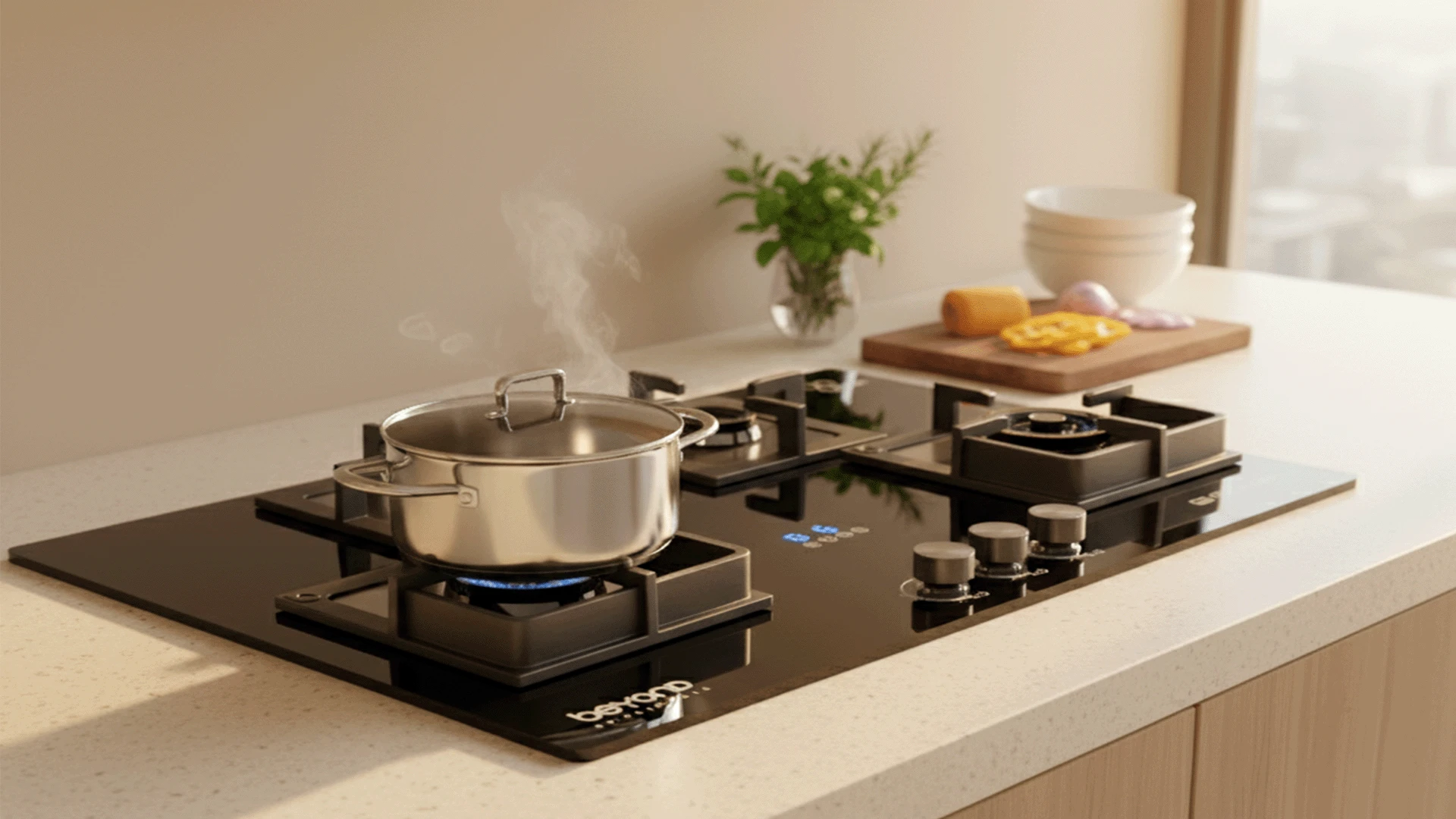
A built-in cooktop is a cooking appliance designed to be permanently installed into your kitchen countertop, creating a seamless, integrated appearance. Unlike traditional freestanding ranges that combine an oven and cooktop in one unit, built-in cooktops focus solely on the cooking surface, offering a sleek, modern alternative for contemporary kitchens. The cooktop definition centers on this integration concept. These appliances sit flush with your countertop surface, eliminating gaps and creating a continuous workspace. This design approach transforms the entire cooking area into a unified, professional-looking space that enhances both functionality and visual appeal.
Integrated cooktops feature several distinctive elements that set them apart from conventional cooking appliances. The flush-mount design eliminates the traditional raised edges found on freestanding ranges, creating easier cleanup and a more streamlined appearance.
While originally developed for commercial kitchens, built-in cooktops have become increasingly popular in residential settings. Home versions offer the same professional aesthetics with features tailored for everyday family cooking needs.
Built-in cooktops come in three primary types, each offering distinct advantages for different cooking styles and preferences. Understanding these cooktop types helps you select the best option for your specific needs and kitchen setup. Gas cooktops provide instant heat control and visual flame indicators that many professional chefs prefer. The immediate response to temperature adjustments makes them ideal for techniques requiring precise heat management. Gas models work with all cookware types and continue functioning during power outages.
Gas models offer superior temperature control with instant heat adjustment capabilities. The visible flame provides immediate feedback about heat levels, making it easier to achieve consistent cooking results.
Electric cooktops feature smooth glass or ceramic surfaces that integrate beautifully with modern countertops. These models provide consistent, even heating across the entire cooking surface, making them excellent for simmering and maintaining steady temperatures.
Induction cooktops represent the latest in cooking technology, using electromagnetic fields to heat cookware directly. This method offers exceptional energy efficiency, precise temperature control, and enhanced safety features since the cooktop surface remains relatively cool during cooking.
Modern kitchen cooktops incorporate advanced features that enhance both safety and cooking performance. Understanding these cooktop features helps you identify which options align with your cooking habits and family needs. Control systems vary from traditional knobs to sophisticated touch controls and digital displays. Touch controls offer precise temperature settings and are easier to clean, while knob controls provide tactile feedback that some cooks prefer. Many models now include smart technology integration, allowing remote monitoring and control through smartphone apps. Safety features have become standard across most built-in cooktop models. These include: • Child safety locks to prevent accidental activation • Automatic shut-off timers for enhanced safety • Hot surface indicators that remain illuminated until safe to touch • Overflow protection that automatically reduces heat when spills occur
Built-in cooktops typically come in 30-inch, 36-inch, and 48-inch widths to accommodate different kitchen sizes and cooking needs. Burner configurations range from four standard burners to six or more burners with specialized zones.
Advanced models feature Wi-Fi connectivity, allowing remote operation and monitoring. Some units can sync with recipe apps to automatically adjust temperatures and timing for specific dishes.
Cooktop installation requires careful planning to ensure proper fit, safety, and optimal performance. The installation process involves several critical considerations that affect both functionality and compliance with local building codes. Pre-installation planning begins with accurate measurements of your existing cutout or planned installation area. Most built-in cooktops require specific cutout dimensions, and even small measurement errors can create significant installation challenges.
Electric models typically require 240-volt connections with dedicated circuits, while gas models need proper gas line connections and adequate ventilation. Professional installation ensures compliance with local electrical and gas codes.
Proper ventilation is crucial for all cooktop types but especially important for gas models. Most installations require range hoods or downdraft ventilation systems to remove cooking odors, steam, and potential combustion byproducts.
Comparing built-in cooktops with alternative cooking solutions helps clarify which option best suits your kitchen design and cooking needs. Traditional freestanding ranges combine cooktop and oven functions in a single unit, while built-in cooktops offer greater design flexibility. The integrated cooktop approach allows separate placement of cooking and baking appliances, creating more efficient kitchen workflows. This separation enables optimal positioning of each appliance based on your specific cooking patterns and kitchen layout. Space efficiency varies depending on your kitchen configuration. Built-in cooktops can maximize counter space when paired with wall-mounted ovens, while freestanding ranges may be more suitable for smaller kitchens where space consolidation is essential. Cost considerations include both initial purchase price and installation expenses. Built-in cooktops often require professional installation and may need additional electrical or gas work, potentially increasing overall project costs compared to simple range replacement.
Selecting the ideal built-in cooktop involves evaluating your cooking habits, kitchen layout, and long-term needs. Consider how frequently you cook, the types of meals you typically prepare, and whether you entertain regularly. Kitchen size and layout significantly influence cooktop selection. Larger kitchens can accommodate wider models with additional burners, while compact spaces may benefit from smaller, more efficient designs. Consider the relationship between your cooktop location and other kitchen elements like sinks, refrigerators, and storage areas. Budget planning should include both the appliance cost and installation expenses. Higher-end models offer advanced features and premium materials but may not be necessary for casual cooks. Focus on features that align with your actual cooking needs rather than impressive specifications you may never use. Energy efficiency ratings affect long-term operating costs, particularly for electric and induction models. Look for ENERGY STAR certified appliances that can reduce utility bills while providing excellent cooking performance.
A cooktop is just the cooking surface that installs into your countertop, while a range combines both cooktop and oven in one freestanding unit. Cooktops offer more design flexibility since you can place the oven separately.
Yes, most built-in cooktops can be replaced without countertop replacement if the new model fits the existing cutout dimensions. However, switching between different fuel types may require additional electrical or gas work.
Installation costs typically range from INR 3,000 to INR 8,000 depending on complexity, location, and whether electrical or gas connections need modification. Professional installation ensures safety and warranty compliance.
Yes, all cooktops benefit from proper ventilation to remove cooking odors, steam, and heat. Gas cooktops especially need adequate ventilation for safety. Range hoods or downdraft systems are commonly used solutions.
Quality built-in cooktops typically last 15-20 years with proper maintenance. Gas models often have longer lifespans than electric models, while induction cooktops are newer technology with expected lifespans of 15+ years.
Built-in cooktops often cost more initially when you factor in separate oven purchases and installation. However, they offer greater design flexibility and can increase home value more than standard ranges.
Built-in cooktops represent a significant evolution in kitchen design, offering superior aesthetics, enhanced functionality, and greater design flexibility compared to traditional cooking appliances. Understanding the various types, features, and installation requirements helps you make an informed decision that aligns with your cooking needs and kitchen goals. Whether you choose gas, electric, or induction technology, the key is selecting a model that matches your cooking style, kitchen layout, and long-term needs. Professional installation ensures optimal performance and safety while protecting your investment through proper setup and warranty compliance.
