

Step-by-Step Guide to Choosing Right Ignition Technology
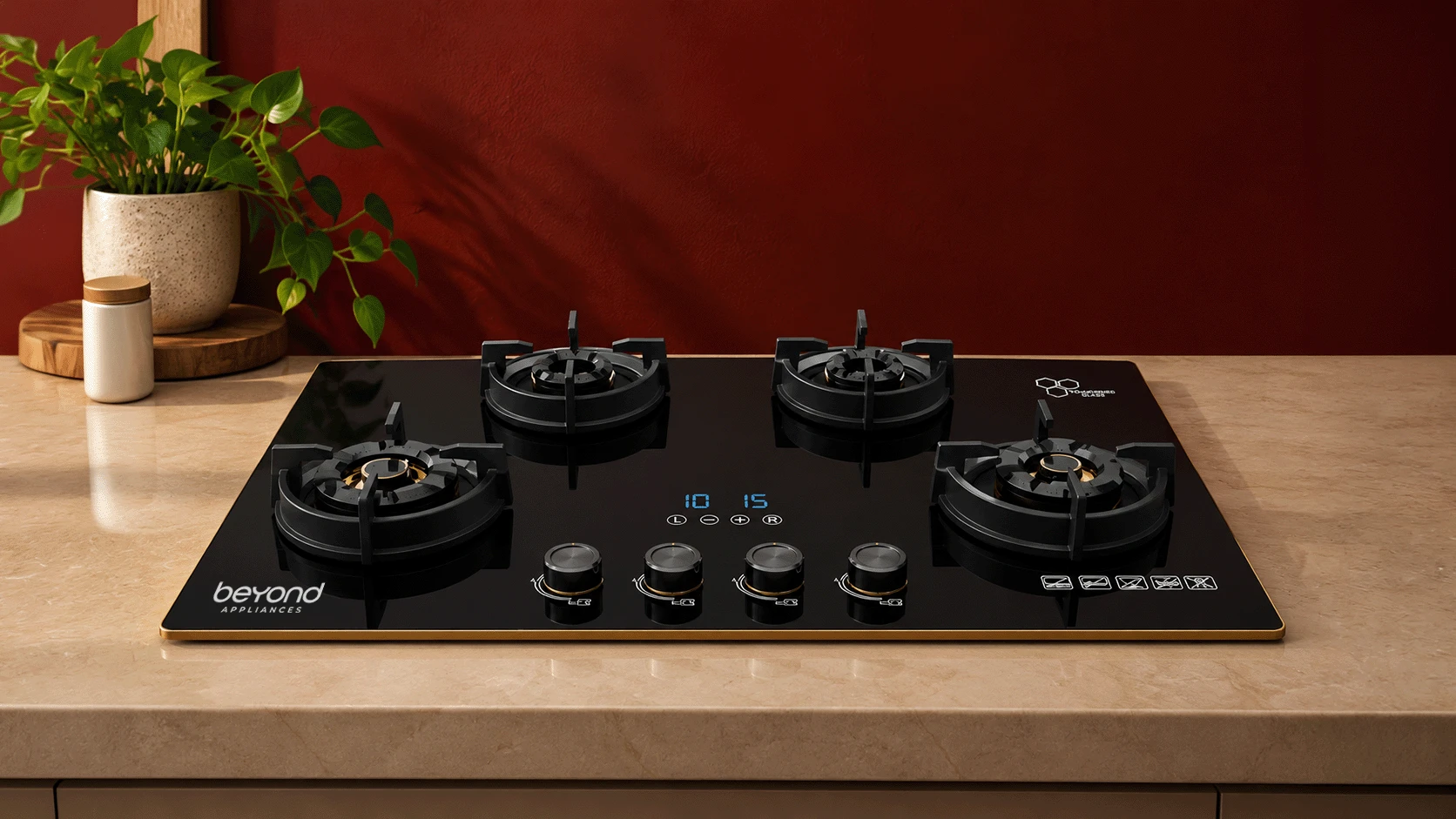
You turn the knob. Nothing happens. You try again. Still nothing. A stove that refuses to light is frustrating — but it is also a sign that the ignition system may not be right for your kitchen or your cooking habits. Choosing the right ignition technology is not just about convenience. It affects how safely you cook, how much energy you use, and how long your cooktop lasts. This guide walks you through every major cooktop ignition type, explains the real differences between them, and gives you a clear, step-by-step framework to make the right choice.
There are four main cooktop ignition types: standing pilot, electronic spark, electric radiant, and induction — each suited to different kitchens, budgets, and cooking styles.
Induction offers the highest energy efficiency (85–90%) and the safest cooking surface, while electronic spark gas ignition remains the most practical choice for Indian kitchens with existing gas infrastructure.
Use the six-step framework in this guide — covering fuel source, cooking style, safety, energy goals, cookware, and budget — to identify the ignition system that fits your kitchen best. These are the 4 types of ignition systems every buyer should understand before making a decision.
Most people spend weeks choosing kitchen tiles and cabinet finishes, then pick a cooktop in ten minutes. That is a mistake. The ignition system in your cooktop determines how quickly heat reaches your food, how much gas or electricity you consume every month, and how safe your kitchen is for everyone in the household. Getting this decision right from the start saves money, prevents safety incidents, and makes daily cooking noticeably more enjoyable.
Modern kitchen ignition technology has evolved significantly. What was once a simple mechanical choice — gas or electric — is now a decision that involves energy transfer rates, smart safety features, and long-term running costs. Understanding what has changed helps you choose with confidence.
The consequences of getting this choice wrong, however, go beyond inconvenience. A mismatched ignition system can quietly cost you more money, create avoidable safety risks, and limit your cooking performance every single day. It is worth understanding exactly what those costs look like before making a decision.
An inefficient ignition system wastes energy every single day. Gas stoves with standing pilot ignition, for example, burn gas continuously — even when you are not cooking. Over a year, that adds up to a measurable increase in your gas bill. Beyond energy costs, a mismatched ignition system can create safety risks: delayed ignition allows gas to accumulate before the flame catches, and outdated systems may lack the automatic shut-off features that modern kitchens require. Cooking performance also suffers — imprecise heat control makes it harder to simmer, sear, or temper spices correctly.
Kitchen ignition has moved through three clear generations. Manual pilot lights gave way to electronic spark systems, which are now the standard in most gas cooktops. Induction technology then introduced a fundamentally different approach — no flame, no combustion, just electromagnetic energy transferred directly to the cookware. Today, Beyond Appliances integrates features such as auto-ignition, Flame Failure Devices (FFD), and digital timers directly into the ignition and burner system of its hobtops and cooktops, solving real cooking problems rather than simply adding specifications.
Understanding the four primary types of burner ignition is the foundation of making a smart purchase decision. Each system works differently, performs differently under Indian cooking conditions, and carries a different cost profile over time. Here is a clear breakdown of each type.
A standing pilot system keeps a small flame burning at all times. When you turn on a burner, that continuous flame ignites the gas. It requires no electricity, which makes it reliable during power cuts. However, it consumes gas around the clock — even when the stove is not in use — making it the least energy-efficient option available. It is best suited to areas with frequent power outages or very traditional kitchen setups.
No electricity required
Simple and reliable mechanism
Constant gas consumption raises running costs
Not recommended for open-plan or enclosed kitchens without strong ventilation
Electronic spark ignition is the most widely used gas stove ignition method in Indian homes today. When you turn the knob or press a button, an electric spark lights the gas on demand. It uses no gas when the stove is off, which makes it significantly more efficient than a standing pilot system. Most modern gas hobtops use this mechanism, and it works well for the high-heat, high-frequency cooking that Indian kitchens demand.
Gas is used only when cooking
Widely available and easy to service
May misfire if the igniter gets wet or greasy
Requires electricity — a consideration in areas with frequent outages
Electric radiant cooktops use resistance heating — either through a coil or a glass-ceramic surface — to generate heat. They are affordable and compatible with almost all cookware types. However, they heat up and cool down more slowly than gas or induction, and the residual heat on the surface after cooking is a safety concern, particularly in households with children. These are practical electric stove ignition options for rental properties or budget-conscious buyers who do not have gas access.
Works with all cookware types
Lower upfront cost
Slower heat response compared to gas or induction
Residual surface heat poses a burn risk
Induction cooktop ignition works through electromagnetic fields that heat the cookware directly — not the surface beneath it. This makes it the fastest, most energy-efficient, and safest option available. The cooking surface stays cool to the touch, which significantly reduces burn risk. Induction is the clear choice for energy-conscious households and kitchens where safety is a priority. The main consideration is cookware compatibility — only pots and pans with a magnetic base will work.
85–90% energy efficiency — the highest of any ignition type
Cool-to-touch surface reduces burn risk
Fastest heat response for precise cooking
Requires magnetic-base cookware
The table below summarises the key differences across all 4 types of ignition systems covered in this guide. Use it to compare options at a glance and identify which ignition type aligns best with your kitchen setup, safety priorities, and budget before reading the step-by-step selection framework.
Ignition Type |
Fuel Source |
Energy Efficiency |
Safety Level |
Best For |
|---|---|---|---|---|
Standing Pilot |
Gas |
Low |
Moderate |
Power-outage areas |
Electronic Spark |
Gas |
Moderate |
High |
Everyday gas cooking |
Electric Radiant |
Electric |
Moderate |
Moderate |
Budget buyers |
Induction |
Electric |
Very High |
Very High |
Modern, safe kitchens |
Choosing the right ignition technology becomes straightforward when you work through a structured set of questions. This six-step framework covers every factor that matters — from your kitchen's existing infrastructure to your long-term energy goals. Work through each step in order for the clearest result.
Start with what your kitchen already has. If you have an active gas line with a shutoff valve, a gas cooktop with electronic spark ignition is a practical and cost-effective choice. If your kitchen is electric-only, induction or electric radiant are your options. Converting from one fuel source to another involves installation costs that can significantly affect your total budget — factor this in before comparing cooktop prices.
How you cook matters as much as what fuel you have. High-heat Indian cooking — tempering mustard seeds, searing meat, making rotis on a direct flame — suits gas with electronic spark ignition. Precision tasks like slow simmering, melting chocolate, or maintaining exact temperatures suit induction. If you cook occasionally and want simplicity, electric radiant is a low-maintenance option. Match the ignition type to how your kitchen actually operates, not just how it looks on paper.
Safe ignition for cooking appliances is a non-negotiable consideration, especially in households with young children or elderly family members. Induction cooktops are the safest option — the surface stays cool, and most units include automatic pan-detection that cuts power when no cookware is present. For gas cooktops, look for models with a Flame Failure Device (FFD), which automatically cuts the gas supply if the flame goes out unexpectedly.
FFD is standard on well-engineered gas hobtops and eliminates one of the most common gas safety risks in Indian kitchens
Induction units often include child lock features that prevent accidental activation
Energy-efficient stove ignition directly reduces your monthly utility bills. According to widely cited energy research, induction transfers approximately 85–90% of generated energy to the cookware, electric radiant achieves around 70–75%, and gas with electronic spark ignition transfers roughly 40–55%, with the remainder lost as ambient heat. Figures may vary based on cookware type, burner size, and usage conditions. If you cook daily, the difference between induction and gas efficiency adds up to a meaningful annual saving. Factor in your current gas or electricity tariff to estimate the real-world impact for your household.
This step is critical if you are considering induction. Only cookware with a ferromagnetic base — cast iron, most stainless steel — works on an induction cooktop. Gas and electric radiant cooktops work with virtually all cookware types, so no additional investment is needed there. If you need to replace most of your cookware for induction, add that cost to your induction budget.
Quick compatibility test: Hold a magnet to the bottom of your existing pots and pans — if it sticks firmly, the cookware is induction-compatible
Cast iron and most stainless steel are typically compatible; aluminium and copper are not
Induction cooktops typically cost more upfront than gas or electric radiant options. However, their energy efficiency means lower running costs over time. For a household that cooks twice daily, the energy savings from induction can meaningfully offset the higher purchase price over time — the exact timeline depends on your local electricity tariff, cooking frequency, and current gas costs. Gas cooktops with electronic spark ignition offer a lower entry price and strong performance for Indian cooking loads. Electric radiant is the most affordable upfront but carries moderate running costs. Weigh the total cost of ownership — not just the sticker price — before making your final decision.
The right ignition system also depends on the type of kitchen you have and how it is used day to day. Here is a practical breakdown by kitchen type and use case to help you apply the framework above to your specific situation.
Electric radiant or a portable induction unit works best here. Neither requires a gas line or permanent installation, which makes them landlord-friendly and easy to move. Upfront costs are lower, and setup is straightforward. For renters who cook frequently, a portable induction cooktop offers better energy efficiency without any structural changes to the kitchen.
Electronic spark gas or induction suits most family kitchens. Gas handles the high-heat demands of Indian cooking — tadkas, stir-fries, and roti-making — while induction offers the safety and efficiency advantages that matter in a busy household. Many families in Tier 1 cities are now choosing induction as a primary or secondary cooktop alongside a gas hobtop for this reason.
Induction or high-output electronic spark gas delivers the precision and speed that serious cooking demands. Induction provides exact temperature control that gas cannot match at low heat levels. High-output gas burners, on the other hand, generate the intense heat needed for wok cooking and rapid boiling. Many serious home cooks use both — induction for precision, gas for high heat.
Induction is the clear winner here. At 85–90% energy efficiency, it uses significantly less electricity per meal than any gas or electric radiant alternative. Over a year of daily cooking, the difference in utility costs is substantial. Induction also produces less ambient heat, which reduces the load on kitchen ventilation and air conditioning — an additional indirect saving in warmer climates.
Electronic spark gas with a manual override is the most practical choice where power cuts are common. Most electronic spark gas cooktops can be lit manually with a match or lighter if the igniter loses power. This makes them reliable in areas where electricity supply is inconsistent, without sacrificing the energy efficiency advantage over standing pilot systems.
Safety is a factor that should influence your ignition choice as much as performance or price. Each ignition type carries specific risks and specific safeguards. Understanding both helps you make a more informed decision and use your cooktop more responsibly once it is installed.
Gas cooktops require adequate kitchen ventilation to prevent carbon monoxide buildup. A well-functioning kitchen chimney is essential — not optional — in any kitchen that uses gas. For households with heavy oil and spice loads typical of Indian cooking, models like the Beyond Appliances Orion or Eris — engineered with 3D suction technology and high CMH ratings — are designed to handle the grease and smoke output that gas cooking generates, making them a practical pairing with any gas hobtop. If your igniter clicks repeatedly without lighting the burner, turn off the gas immediately, ventilate the kitchen, and check for a blocked burner cap or a wet igniter before trying again. Annual servicing of gas ignition components is recommended. Look for cooktops that include a Flame Failure Device as a standard safety feature — this cuts the gas supply automatically if the flame is extinguished by a spill or draft, preventing unburned gas from accumulating in the kitchen.
Electric and induction cooktops eliminate open-flame risk entirely. Induction units add a further layer of safety through automatic pan-detection — the cooktop only activates when compatible cookware is placed on the surface, and it cuts power immediately when the pan is removed. Many induction units also include child lock features that prevent accidental activation. Smooth-top electric cooktops display residual heat indicators that warn users when the surface is still hot after cooking — an important feature that reduces accidental burns.
Regardless of which ignition system you choose, a few practices apply across all cooktop types. Keep igniters clean and dry — grease and moisture are the most common causes of misfires and ignition failure. Never leave a lit burner unattended, particularly when cooking at high heat. If you use gas, install a carbon monoxide detector near the cooking area and schedule a professional inspection of your gas connections at least once a year. These habits extend the life of your cooktop and keep your kitchen safe.
For most home kitchens, induction electromagnetic ignition is the best option, offering 85–90% energy efficiency, the fastest heat response, and the safest cooking surface. For kitchens with existing gas infrastructure and a preference for open-flame cooking, electronic spark ignition is the most practical gas-based alternative.
The three primary ignition types are standing pilot ignition, electronic spark ignition, and electric or induction ignition. Standing pilot ignition uses a continuous gas flame; electronic spark ignition generates an electric spark on demand to light gas; and electric or induction ignition uses electrical resistance or electromagnetic fields to generate heat without an open flame.
For most households, yes. Induction cooktops operate at 85–90% energy efficiency compared to 40–55% for gas, which typically results in meaningful utility bill savings over time. Faster cooking times, superior safety, and precise temperature control add further value that justifies the higher initial investment.
Yes. Beyond Appliances hobtops and cooktops — including models like the Dorado, Altair, and Auriga — are built with auto-ignition and Flame Failure Devices (FFD) as standard features. The FFD automatically cuts the gas supply if the flame goes out, which directly addresses one of the most common gas safety risks in Indian kitchens. These features are integrated into the ignition system rather than added as optional extras.
Key signs include persistent clicking without ignition, visible cracks or damage to the igniter, uneven or delayed flame lighting, and a burning smell near the igniter. If cleaning the igniter cap does not resolve the issue, the igniter module likely needs professional replacement. Beyond Appliances supports its products through a service network spanning approximately 20,000 locations, with assistance typically available within 48 hours in most major cities and towns, subject to location and availability.
Choosing the right ignition technology is one of the most practical decisions you will make when setting up or upgrading a kitchen. The four main types — standing pilot, electronic spark, electric radiant, and induction — each serve a different combination of cooking style, safety requirement, energy goal, and budget. There is no single correct answer, but there is a correct answer for your kitchen specifically.
Use the six-step framework in this guide as your checklist. Start with your fuel infrastructure, work through your cooking habits and safety priorities, and finish with a clear-eyed look at upfront versus long-term costs. If you cook daily in an Indian kitchen with high oil and spice loads, electronic spark gas with an FFD-equipped hobtop or a well-specified induction cooktop will serve you best. Pair either with a high-suction kitchen chimney to manage smoke and grease effectively, and your kitchen will be both safer and more efficient from day one.
The right ignition system does not just start your stove. It shapes how confidently, safely, and efficiently you cook every single day.
