
Smart vs Traditional Chimney: Energy Battle Revealed
Cart
Your cart is empty
Kitchen ventilation has evolved dramatically over the past decade. Modern homeowners face a crucial decision between traditional chimneys and smart alternatives. The energy consumption smart vs traditional chimney debate centers on efficiency, cost-effectiveness, and environmental impact. Smart chimneys promise advanced features and energy savings, while traditional models offer simplicity and proven performance. Understanding the energy implications of each option helps you make an informed choice for your kitchen renovation or new home setup.
Kitchen chimneys consume electricity primarily through their motor systems, lighting, and control mechanisms. The chimney power consumption varies significantly based on design, technology, and usage patterns. Most homeowners underestimate the long-term energy costs when selecting kitchen ventilation systems.
The motor represents the largest energy draw in any chimney system. Traditional chimneys typically operate at fixed speeds, consuming consistent power regardless of cooking intensity. Smart chimneys use variable-speed motors that adjust power consumption based on actual ventilation needs. Suction capacity directly correlates with energy consumption. Higher CFM (Cubic Feet per Minute) ratings require more powerful motors. However, chimney energy efficiency depends on how effectively the system balances suction power with energy use.
The CFM-to-watt ratio provides the clearest picture of efficiency. Traditional chimneys often deliver 3-4 CFM per watt, while smart models can achieve 5-7 CFM per watt through advanced motor technology. Annual energy consumption calculations reveal significant differences. A traditional 1200W chimney used 2 hours daily consumes approximately 876 units annually. Smart alternatives with similar performance often use 30-40% less energy through intelligent operation.
Conventional chimneys follow predictable energy consumption patterns that often lead to waste. These systems lack the sophisticated controls found in modern alternatives. Traditional chimney drawbacks become apparent when examining long-term energy costs and efficiency degradation.
Standard motors in traditional chimneys operate at 60-70% efficiency ratings. Fixed-speed operation means the motor runs at full capacity regardless of actual ventilation requirements. This approach wastes significant energy during light cooking activities. Heat loss through poorly insulated ductwork further reduces efficiency. Traditional installations often lack proper sealing, allowing conditioned air to escape and forcing the system to work harder.
Maintenance-related inefficiencies accumulate over time. Clogged filters force motors to work harder, increasing energy consumption by 15-25%. Manual operation frequently leads to overuse, as users forget to adjust settings or turn off the system. Poor insulation and outdated motor technology contribute to gradual efficiency loss. Five-year-old traditional chimneys often consume 20% more energy than when new.
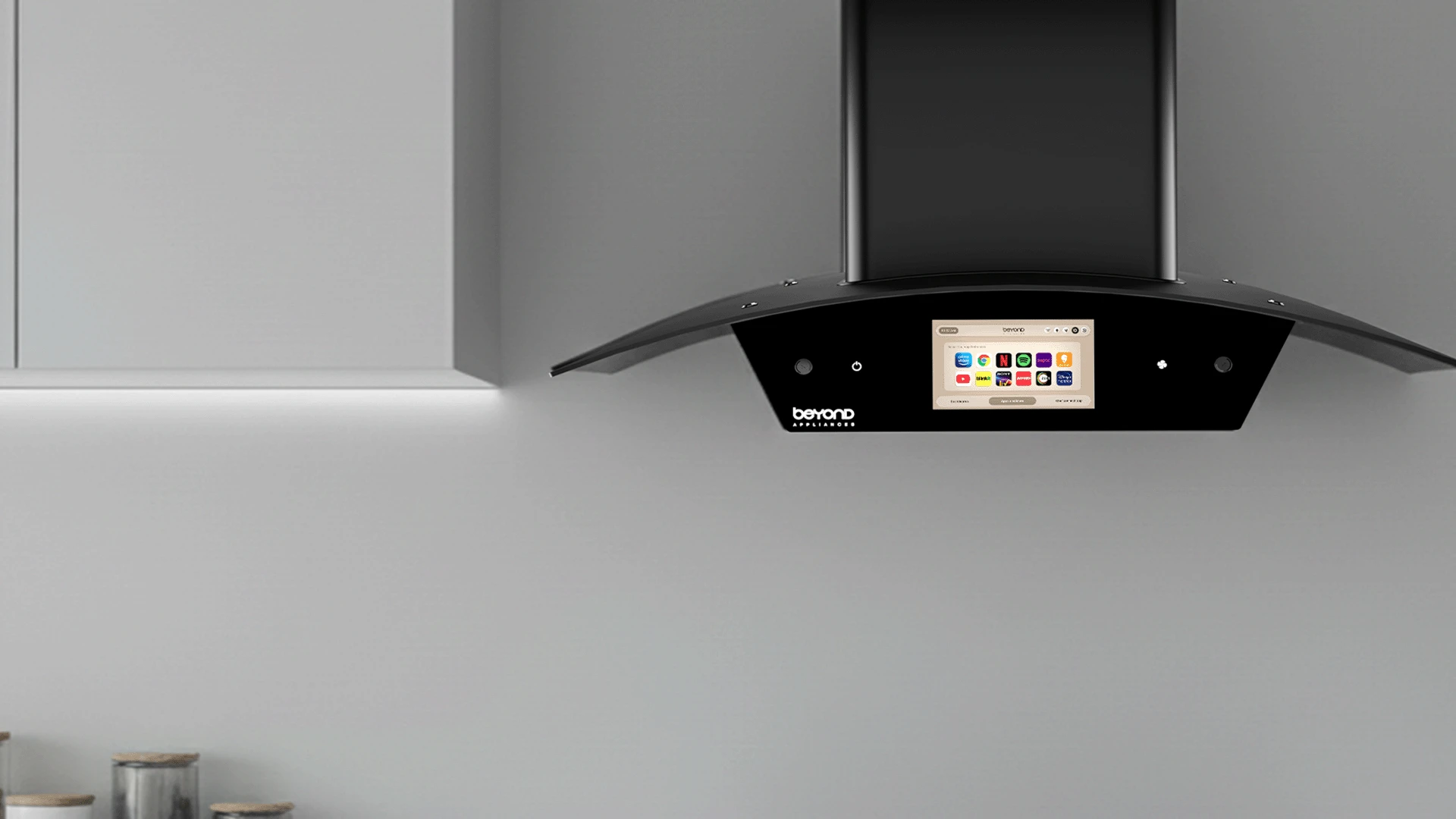
Smart chimneys incorporate advanced technologies that dramatically improve energy saving chimneys performance. These systems use intelligent controls, efficient motors, and automated features to minimize power consumption while maintaining superior ventilation.
Variable speed motors with inverter technology adjust power consumption based on cooking intensity. Motion Sensor Control allows users to turn the system on or off easily with high-sensitivity motion sensors by just waving hands, eliminating unnecessary operation. Heat recovery systems capture and redirect warm air, reducing overall energy loss. LED lighting consumes 80% less energy than traditional incandescent bulbs, contributing to overall efficiency improvements.
Auto Turn Off features allow users to set timers for desired duration, eliminating manual reminders and preventing forgotten operation. Smart chimneys monitor usage patterns and optimize performance automatically. App-controlled operation enables remote monitoring and adjustment. Energy consumption tracking helps users understand usage patterns and identify opportunities for additional savings.
Real-world testing reveals substantial differences between smart and traditional chimney energy consumption. Kitchen chimney comparison data shows smart models consistently outperform conventional alternatives across various metrics.
Monthly electricity bills reflect the cumulative impact of chimney choice. Traditional 1500W chimneys add approximately INR 400-600 to monthly bills with regular use. Smart alternatives with similar suction capacity typically add INR 250-400, representing 25-35% savings. Peak consumption patterns differ significantly. Traditional chimneys maintain constant high power draw, while smart systems scale power based on actual needs. This intelligent scaling reduces average consumption substantially.
Suction power per watt consumed provides the clearest efficiency comparison. Smart chimneys with 1500 CMH Suction often achieve superior performance while consuming less energy than traditional models with lower suction ratings. Noise levels correlate with energy consumption in traditional models. Smart chimneys maintain quiet operation while delivering powerful suction, indicating superior motor efficiency and design optimization.
Smart cooking ventilation systems incorporate multiple technologies that work together to minimize energy consumption. These features provide convenience while delivering measurable efficiency improvements.
Cooking detection sensors automatically adjust suction based on heat and smoke levels. AI Whistle Counter technology sets the number of whistles and counts them automatically, alerting users with beep alarms when the set number is reached, preventing overcooking and unnecessary ventilation. Grease level monitoring prevents efficiency loss by alerting users when cleaning is needed. Dry Heat Auto Clean technology cleans the motor with dry heat, melting jammed oil and particles that collect in an easily cleaned oil collection tray.
Real-time energy consumption displays help users understand usage patterns. Button Control & Display Screen systems show changes made via buttons, providing clear feedback without touchscreen complexity. Integration with smart home systems enables comprehensive energy management. Dual Bluetooth Speakers and FM Radio features provide entertainment without requiring separate devices, consolidating energy consumption.
The financial impact of chimney choice extends beyond initial purchase price. Chimney energy efficiency improvements justify higher upfront costs through sustained savings and enhanced performance.
Smart chimneys typically cost INR 15,000-40,000 more than comparable traditional models. However, energy savings, reduced maintenance costs, and improved durability offset this premium within 3-5 years. Installation costs remain similar for both options. Professional installation ensures optimal performance and energy efficiency regardless of chimney type.
Annual energy savings of INR 1,800-3,600 accumulate significantly over time. Ten-year total cost of ownership often favors smart chimneys despite higher initial investment. Maintenance cost differences further improve smart chimney economics. Filterless designs eliminate ongoing filter replacement costs, while automated cleaning features reduce service requirements.
Selecting between smart and traditional chimneys requires careful consideration of multiple factors. Energy consumption smart vs traditional chimney analysis should include cooking habits, budget constraints, and long-term goals.
Kitchen size and cooking frequency directly impact energy consumption patterns. Larger kitchens and frequent cooking benefit more from smart chimney efficiency improvements. Local electricity rates affect savings calculations. Areas with higher energy costs see faster payback periods for smart chimney investments.
Proper sizing ensures maximum efficiency regardless of chimney type. Efficient kitchen ventilation requires matching suction capacity to kitchen volume and cooking style. Ductwork considerations significantly impact energy consumption. Proper sealing and insulation improve efficiency for both smart and traditional systems.
Smart chimneys typically consume 25-40% less electricity than traditional models with similar suction capacity. Variable speed motors and intelligent controls reduce average power consumption while maintaining superior performance.
Yes, smart chimneys deliver measurable long-term energy savings through efficient motors, automated controls, and intelligent operation. Most users see 30-35% reduction in chimney-related electricity costs.
Smart chimneys typically reduce monthly electricity costs by INR 150-250 compared to traditional models, depending on usage patterns and local electricity rates.
Motion sensors eliminate unnecessary operation by automatically turning the chimney on when cooking begins and off when the kitchen is empty. This prevents forgotten operation and reduces total runtime.
Some states offer rebates for energy-efficient appliances. Check local utility companies and government programs for available incentives on high-efficiency kitchen ventilation systems.
The energy battle between smart and traditional chimneys clearly favors modern alternatives. Smart chimneys deliver superior efficiency, reduced operating costs, and enhanced convenience through intelligent features. While initial investment is higher, long-term savings and improved performance justify the premium. Consider your cooking habits, budget, and energy goals when making this important kitchen decision. The right choice will serve your family efficiently for many years while contributing to reduced energy consumption and environmental impact.
