

Smart vs Regular Chimney: Full Cost Breakdown
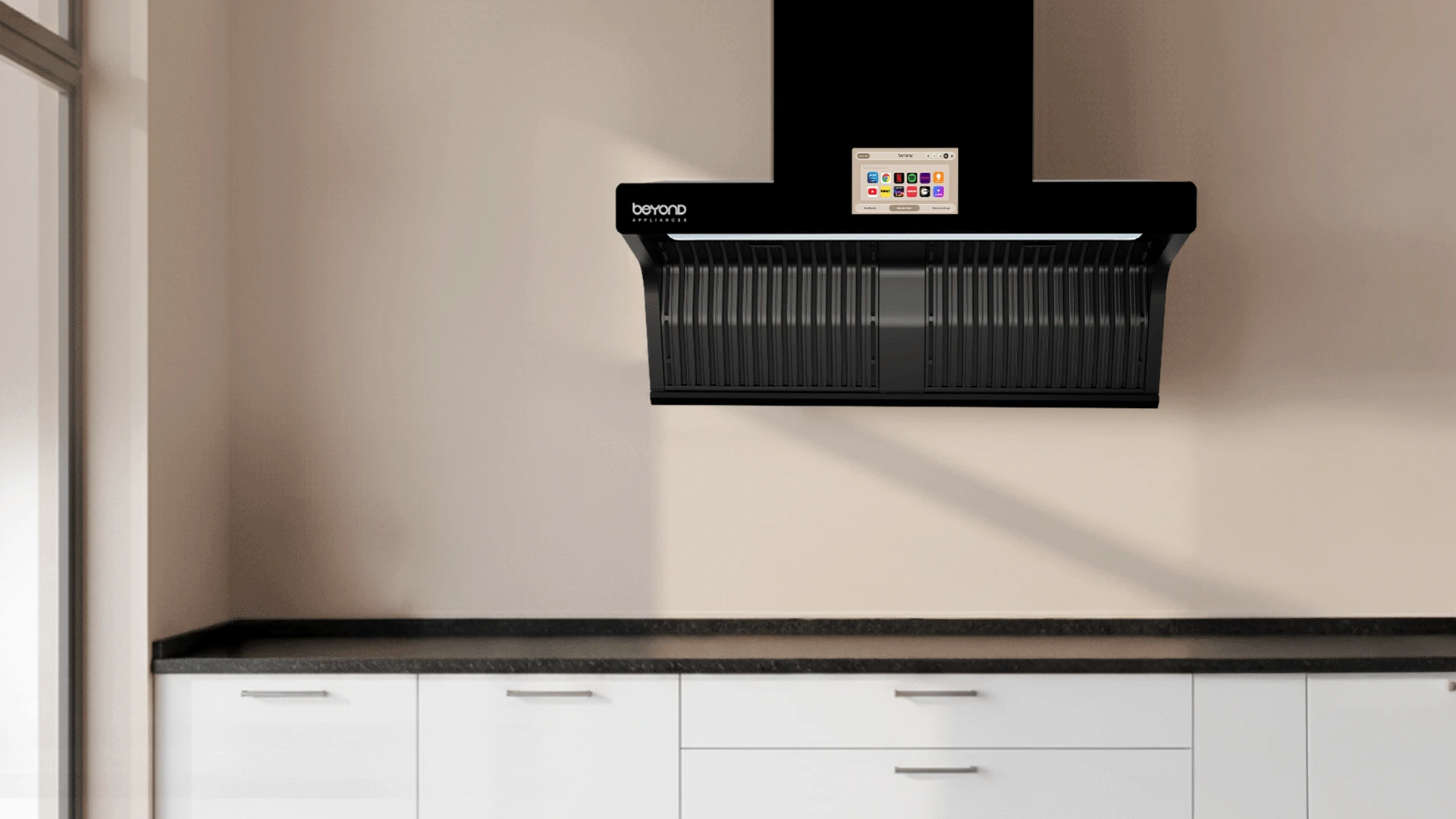
Kitchen chimneys have evolved dramatically over the past decade. Today's homeowners face a crucial decision between traditional models and smart chimney systems. The cost of smart chimney vs regular chimney extends far beyond the initial purchase price. Smart chimneys offer advanced features like auto-clean technology, motion sensors, and app connectivity. Regular chimneys provide basic functionality at lower upfront costs. Understanding the complete financial picture helps you make the right choice for your kitchen and budget. This comprehensive analysis breaks down every cost factor from purchase to long-term ownership.
Smart chimney technology comes at various price points to suit different budgets and requirements. The smart chimney price varies significantly based on features, brand reputation, and performance capabilities. Modern smart chimneys integrate cutting-edge technology with superior suction power and automated maintenance systems.
Basic smart chimneys offer essential automation features without premium pricing. These models include auto-clean functionality using heat-based technology to dissolve grease and oil particles. Motion sensor activation provides hands-free operation when you approach the cooking area. BLDC motor technology delivers superior energy efficiency compared to traditional motors. Filter indicator lights notify you when cleaning or replacement becomes necessary.
Mid-range smart chimneys provide enhanced filtration systems with multiple filter layers for superior air purification. IoT connectivity features allow remote control through smartphone applications. Touch panel controls offer intuitive operation with preset cooking modes. Enhanced suction power handles heavy cooking sessions effectively. LED lighting systems illuminate your cooking surface while adding aesthetic appeal to your kitchen.
Premium smart chimneys deliver professional-grade performance with full automation capabilities. App-controlled operations enable scheduling, monitoring, and maintenance alerts from anywhere. Advanced sensors automatically adjust suction power based on cooking intensity and smoke levels. Voice control integration works seamlessly with smart home ecosystems. Premium materials and finishes complement high-end kitchen designs while ensuring long-lasting durability.
Traditional chimneys remain popular choices for budget-conscious homeowners seeking reliable performance. The regular chimney cost offers significant savings on initial investment while providing essential kitchen ventilation. Understanding different regular chimney categories helps identify the best value proposition for your specific needs.
Basic manual chimneys provide fundamental suction capabilities at the most affordable price points. Standard baffle filters require regular manual cleaning every few weeks depending on cooking frequency. Push-button controls offer simple operation without advanced features. Manual cleaning requirements involve removing and washing filters with soap and water. These models suit light cooking households with minimal oil-based food preparation.
Auto-clean traditional chimneys bridge the gap between manual models and smart systems. Heat-based cleaning technology automatically dissolves accumulated grease during operation. Improved maintenance cycles reduce manual intervention while maintaining optimal performance. Mid-range performance specifications handle moderate to heavy cooking sessions effectively. These models offer excellent value for families with regular cooking requirements.
The chimney installation cost significantly impacts your total investment beyond the product price. Professional installation ensures optimal performance, safety compliance, and warranty protection. Understanding all installation-related expenses helps budget accurately for your chimney project.
Labor costs vary by region, typically ranging from INR 2,000 to INR 5,000 for standard installations. Electrical work requirements include dedicated power connections and proper grounding for safety. Ductwork modifications may be necessary for optimal exhaust routing to external vents. Complex installations involving structural modifications incur additional charges. Professional installers ensure compliance with safety standards and manufacturer specifications.
Mounting hardware costs include wall brackets, screws, and reinforcement materials for secure installation. Electrical connection fees cover wiring, switches, and circuit protection requirements. Warranty registration charges may apply for extended coverage options. Delivery charges vary based on location and product size. Some manufacturers offer free installation as part of promotional packages.
The true cost of smart chimney vs regular chimney becomes apparent through long-term ownership analysis. Smart chimneys typically offer superior value despite higher initial investment. Energy efficiency, reduced maintenance, and enhanced durability contribute to lower total cost of ownership.
Purchase price breakdown includes the initial investment plus installation and setup costs. Energy consumption savings reach up to 50% less electricity compared to traditional motors. Maintenance cost reduction results from automated cleaning cycles and longer filter life. Smart chimneys require fewer service calls and replacement parts over their lifespan. Total ownership costs range from INR 35,000 to INR 70,000 over 10 years including all expenses.
Initial investment analysis shows lower upfront costs but higher ongoing expenses. Higher electricity bills impact annual operating costs significantly. Frequent filter replacement costs accumulate over time with manual cleaning requirements. Manual cleaning service charges add to maintenance expenses for busy households. Traditional chimneys may require motor replacement after 5-7 years of heavy usage.
Smart chimneys typically pay for themselves within 3-5 years through energy savings and reduced maintenance. ROI timeline analysis shows faster payback for heavy cooking households. Cost savings projections demonstrate significant long-term financial benefits. Energy-efficient models provide the best return on investment over extended periods.
Energy efficient chimney options significantly reduce monthly electricity consumption. Smart chimneys with BLDC motors consume substantially less power than traditional models. Understanding power consumption patterns helps estimate ongoing operating costs accurately.
BLDC motor efficiency benefits include 50% lower power consumption compared to traditional motors. Average 100-watt usage optimization reduces electricity bills while maintaining superior performance. Daily power consumption ranges from 1-2 units depending on cooking frequency and duration. Variable speed controls automatically adjust power consumption based on actual requirements.
Higher wattage requirements result from less efficient motor technology in traditional models. Increased electricity bill impact becomes noticeable with regular cooking activities. Annual energy cost comparison shows traditional chimneys consuming 200-300 watts during operation. Fixed speed motors run at full power regardless of actual suction requirements.
The benefits of smart chimney extend beyond initial cost considerations to include convenience, performance, and long-term value. Smart features enhance cooking experiences while reducing maintenance burden. Traditional chimney alternatives may suit specific budget constraints but lack advanced capabilities.
Auto-clean technology savings eliminate frequent manual filter cleaning requirements. Reduced service call frequency results from automated maintenance cycles and self-diagnostic features. Filter replacement intervals extend significantly with smart cleaning systems. Professional maintenance costs decrease due to automated system monitoring and alerts.
Superior suction power efficiency handles heavy cooking sessions without performance degradation. Automated operation features include motion sensors, timer controls, and preset cooking modes. Modern chimney solutions integrate seamlessly with contemporary kitchen designs and smart home systems. Enhanced user experience includes touch controls, LED displays, and smartphone connectivity.
Chimney system comparison requires balancing upfront costs against long-term benefits and performance requirements. Budget considerations must account for total ownership costs rather than initial purchase price alone. Value analysis includes performance, convenience, energy efficiency, and maintenance requirements.
Best value regular chimney options provide reliable performance at affordable prices for light cooking households. Upgrade timing to smart features depends on cooking frequency, energy costs, and convenience preferences. Financing and EMI considerations make premium chimneys accessible through manageable monthly payments. Cost-benefit analysis helps determine optimal investment levels for different household requirements.
Technology advancement considerations favor smart chimneys with updatable software and connectivity features. Resale value implications show smart appliances maintaining higher market value over time. Smart home integration benefits increase as home automation becomes more prevalent. Modern chimney solutions adapt to changing technology standards and user expectations.
Auto-clean chimneys perform better long-term with superior suction power and cleaner kitchen air through automated maintenance cycles. They reduce manual cleaning effort while maintaining optimal performance consistently.
Kitchen chimney prices range from INR 6,290 for basic models to INR 1,75,000 for premium smart systems, with installation adding INR 2,000-5,000 depending on complexity and location.
Auto-clean chimneys use heat or steam technology for automatic grease dissolution, while normal chimneys require manual filter cleaning every few weeks depending on cooking frequency.
Kitchen chimneys typically consume 100 watts, with daily usage adding 1-2 units to electricity bills. Smart BLDC models use 50% less energy than traditional motors, reducing operating costs significantly.
Smart chimneys offer superior long-term value despite higher initial investment through energy savings and reduced maintenance costs. Regular chimneys suit budget-conscious buyers but incur higher operating expenses over time. Installation costs add INR 2,000-5,000 to total investment regardless of chimney type. Energy efficiency becomes crucial for heavy cooking households where smart chimneys provide substantial savings. The break-even point for smart chimneys typically occurs within 3-5 years through reduced electricity bills and maintenance costs. Consider your cooking frequency, budget constraints, and long-term value preferences when choosing between smart and regular chimney options.
