
Smart Hood vs Conventional Hood: Full Comparison
Cart
Your cart is empty
Modern kitchens are evolving rapidly, and choosing the right ventilation system has become more complex than ever. The debate between smart hood vs conventional hood continues to grow as homeowners seek the perfect balance of functionality, efficiency, and convenience. With advanced technology transforming how we cook and manage our kitchens, understanding the key differences between these two range hood types is essential for making an informed decision. Whether you're renovating your kitchen or building a new home, this comprehensive comparison will help you determine which ventilation system best suits your cooking style, budget, and lifestyle preferences.
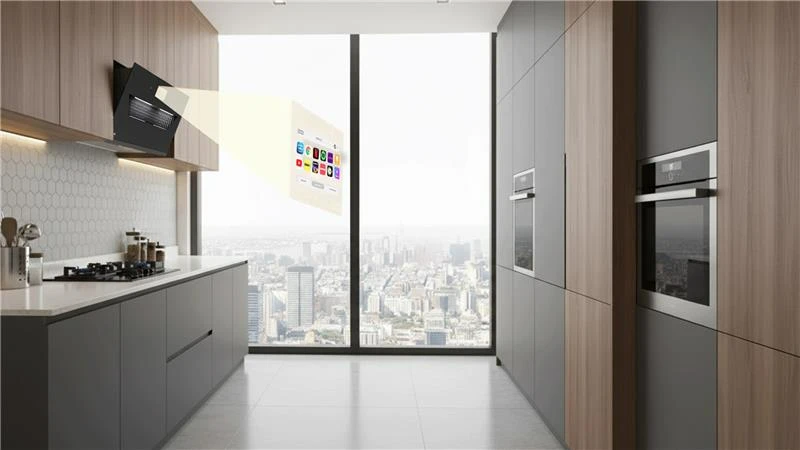
Smart hoods represent the latest evolution in kitchen ventilation technology, featuring advanced sensors, connectivity options, and automated controls that adapt to your cooking needs. These intelligent appliances can detect smoke, heat, and cooking odors automatically, adjusting their suction power accordingly. Many models include features like motion sensor control, allowing you to turn the hood on or off by simply waving your hands, and AI whistle counter technology that can count pressure cooker whistles and alert you when cooking is complete. Conventional hoods, on the other hand, rely on manual operation and basic functionality to remove smoke, grease, and odors from your kitchen. These traditional ventilation systems typically feature simple push-button or dial controls for speed adjustment and basic lighting. While they lack the advanced features of smart models, conventional hoods have proven their reliability over decades of use and remain a popular choice for homeowners seeking straightforward, dependable kitchen ventilation.
The primary distinction lies in automation and connectivity. Smart hoods offer hands-free operation, app control, and integration with smart home systems, while conventional hoods require manual adjustment for all functions. Smart models often include additional features like Bluetooth speakers, FM radio, and advanced cleaning systems such as dry heat auto clean technology that melts oil particles for easy maintenance.
Smart kitchen appliances bring unprecedented convenience to modern cooking environments. Advanced smart hoods feature motion sensor control, eliminating the need to touch greasy buttons while cooking. The AI whistle counter technology automatically counts pressure cooker whistles and alerts you when your set number is reached, preventing overcooking. Many models include dual Bluetooth speakers and FM radio functionality, transforming your hood into an entertainment center. The dry heat auto clean feature represents a significant advancement in maintenance convenience. This technology uses controlled heat to melt accumulated oil and grease particles, which then collect in an easily removable tray. Button control with display screens provides clear feedback on settings, though these are typically not touchscreens to avoid grease-related issues.
• Motion sensor activation for hands-free operation • AI whistle counter with customizable alerts • Dual Bluetooth speakers for music and podcasts • FM radio with station memory • Auto turn-off timer functionality • Dry heat auto clean technology • App connectivity for remote control • Energy monitoring and usage tracking
• Manual speed control buttons or dials • Basic LED lighting systems • Simple timer functions (select models) • Standard grease filters • Push-button or rotary controls • Basic ventilation without automation
Efficient cooking ventilation depends on several key performance metrics, with CFM (Cubic Feet per Minute) being the primary measure of suction power. Modern smart hoods typically offer 1500 CFM suction capacity, specifically designed for Indian cooking styles that generate substantial smoke and strong aromas. This powerful suction quickly clears cooking smoke and maintains air quality throughout the cooking process. Noise levels represent another crucial performance factor. Smart hoods often operate more quietly due to advanced motor technology and intelligent speed adjustment. The automated sensors prevent unnecessary high-speed operation, reducing noise pollution in your kitchen environment.
Smart hoods excel in maintaining consistent air quality through automated adjustments based on real-time cooking conditions. Conventional hoods require manual adjustment, which may result in inadequate ventilation during intense cooking or unnecessary energy consumption during light cooking activities. The filterless design available in many modern smart hoods eliminates the ongoing cost and maintenance associated with traditional filter replacement.
The range hood comparison reveals significant differences in initial investment and long-term value. Smart hoods typically require a higher upfront investment, with prices ranging from INR 25,000 to INR 80,000 depending on features and size variations. Conventional hoods generally cost between INR 8,000 to INR 25,000, making them more accessible for budget-conscious buyers. However, the total cost of ownership tells a different story. Smart hoods often provide better energy efficiency through automated operation, potentially reducing electricity costs over time. The dry heat auto clean feature eliminates the need for frequent professional cleaning services, while filterless designs remove ongoing filter replacement expenses.
Smart hoods typically offer extended warranty options and comprehensive after-sales service support, protecting your investment for years to come. The advanced technology and build quality often result in longer lifespans compared to basic conventional models. Free delivery and installation services further enhance the value proposition for smart hood purchases.
Ventilation systems require different installation approaches depending on their complexity. Smart hoods may need additional electrical connections for advanced features like Bluetooth connectivity and motion sensors. Professional installation ensures proper setup of all smart features and optimal performance. Maintenance differs significantly between the two range hood types. Smart hoods with dry heat auto clean technology require minimal daily maintenance, with oil collection trays that can be cleaned by simple rinsing. Conventional hoods typically require more frequent manual cleaning of filters and internal components.
While conventional hoods may allow for DIY installation in some cases, smart hoods benefit from professional setup to ensure all features function correctly. Proper installation also maintains warranty coverage and ensures optimal ventilation performance for your specific kitchen layout.
The decision between smart hood vs conventional hood depends on your specific needs, cooking habits, and lifestyle preferences. Consider your frequency of cooking, the types of dishes you prepare, and your comfort level with technology when making this important kitchen investment. Smart hoods excel in busy kitchens where convenience and automation provide significant benefits. The hands-free operation proves invaluable when handling multiple cooking tasks simultaneously. Features like the AI whistle counter and auto turn-off timer enhance cooking safety and prevent common kitchen mishaps.
Choose a smart hood if you frequently cook elaborate meals, enjoy entertaining guests, prioritize convenience features, or want to integrate your kitchen with smart home systems. The advanced features justify the higher cost for active cooking enthusiasts. Select a conventional hood if you prefer simple operation, have basic ventilation needs, operate on a tight budget, or rarely use advanced cooking techniques. These reliable systems provide effective ventilation without unnecessary complexity.
Smart hoods often deliver superior ventilation through automated sensors that adjust suction power based on actual cooking conditions, ensuring optimal performance without manual intervention.
The dry heat auto clean technology significantly reduces maintenance requirements by automatically melting oil particles, while filterless designs eliminate ongoing filter replacement costs.
Yes, smart hoods function normally without internet connection. Basic features like motion sensor control, AI whistle counter, and auto clean work independently of network connectivity.
Conventional hoods remain popular for their simplicity, reliability, and lower cost. They continue to serve homeowners who prefer straightforward operation without advanced features.
Smart hoods often cost less to maintain long-term due to self-cleaning features and filterless designs, despite higher initial purchase prices.
Value depends on usage patterns. Smart hoods provide better value for frequent cooks who benefit from automation, while conventional hoods offer better value for occasional cooking needs.
The choice between smart hood vs conventional hood ultimately depends on your specific kitchen needs, cooking frequency, and technology preferences. Smart hoods offer unmatched convenience through features like motion sensor control, AI whistle counter, and dry heat auto clean technology, making them ideal for active cooking enthusiasts. Conventional hoods provide reliable, straightforward ventilation at a lower cost, perfect for homeowners seeking basic functionality without advanced features. Consider your long-term cooking plans, maintenance preferences, and budget constraints when making this important kitchen investment decision.
