

Smart Hob Buying Guide: Everything You Need
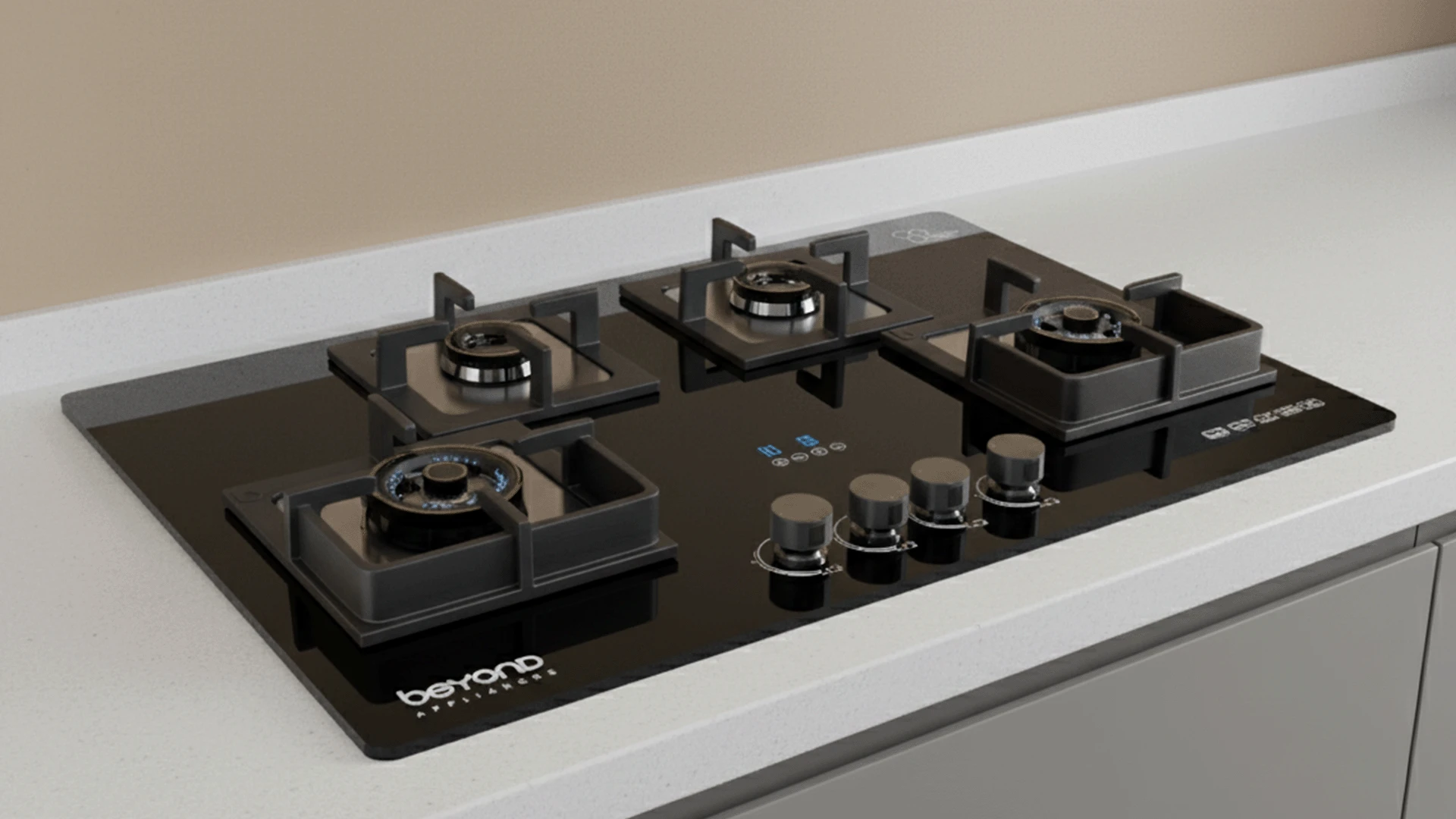
Modern kitchens are evolving rapidly, and smart technology has transformed how we cook. A smart hob represents the perfect blend of convenience, efficiency, and precision cooking. Whether you're upgrading your kitchen or building a new one, choosing the best smart hob for home use requires understanding the latest features and technologies available. Smart hobs offer app connectivity, precise temperature control, and energy-efficient cooking that makes meal preparation easier and more enjoyable. These advanced cooking surfaces integrate seamlessly with modern lifestyles, providing remote control capabilities and intelligent cooking assistance that traditional cooktops simply cannot match.
A smart hob combines traditional cooking functionality with cutting-edge technology to create an intelligent cooking experience. Unlike conventional cooktops, these advanced appliances connect to your smartphone through Wi-Fi, allowing remote monitoring and control of your cooking processes. The key advantage of smart cooking technology lies in its precision and convenience. You can adjust temperature settings, set timers, and receive notifications directly on your phone. Many models feature voice control integration, making them compatible with smart home ecosystems. This connectivity transforms your kitchen hob into a central hub for meal preparation. Smart hobs also prioritize safety with features like automatic shut-off, child locks, and overheating protection. These safety mechanisms provide peace of mind, especially in busy households with children. The intelligent sensors can detect cookware placement and adjust heating accordingly, preventing accidents and ensuring optimal cooking results.
Choosing the right type of smart hob depends on your cooking preferences, kitchen setup, and energy considerations. Each type offers unique advantages that cater to different household needs.
An induction hob uses electromagnetic fields to heat cookware directly, making it the most efficient hob option available. Smart induction models offer precise temperature control and rapid heating capabilities. They work only with magnetic cookware, which provides excellent heat distribution and energy efficiency. The smooth glass surface is easy to clean and maintains a sleek appearance in modern kitchens.
Smart electric hob models provide versatility and compatibility with all cookware types. These units heat through electric coils or ceramic surfaces, offering consistent temperature control. While slightly less efficient than induction, they remain popular for their affordability and universal cookware compatibility. Many electric models feature multiple heating zones with independent controls.
Smart gas hobs combine traditional flame cooking with modern technology. They offer instant heat adjustment and work during power outages. Smart features include electronic ignition, flame failure safety devices, and app-controlled gas flow monitoring. These models appeal to cooks who prefer visual flame control and traditional cooking methods.
Selecting the best hob requires evaluating key features that enhance cooking performance and user experience. Modern smart hobs incorporate multiple technologies to improve efficiency and convenience. App connectivity stands as the cornerstone of smart hob functionality. Quality models offer intuitive smartphone applications that provide remote control, cooking timers, and recipe guidance. These apps often include preset cooking modes for different dishes and ingredients, making meal preparation more straightforward. Temperature precision represents another crucial feature. The best smart hob for home use maintains consistent heat levels and responds quickly to adjustments. Look for models with multiple power levels and precise temperature displays. This accuracy ensures better cooking results and prevents overcooking or undercooking. Safety features should never be compromised. Child locks, automatic shut-off timers, and overheating protection are essential. Many smart hobs include pan detection sensors that activate heating only when cookware is present. These features prevent accidents and reduce energy waste. Energy efficiency ratings help determine long-term operating costs. Efficient hob models consume less electricity or gas while maintaining excellent cooking performance. Look for energy star ratings and consumption specifications when comparing different models.
The size and burner configuration of your cooktop should match your cooking habits and kitchen space. Different configurations serve various household sizes and cooking styles.
3-burner smart hobs work well for smaller kitchens or couples. These compact units provide sufficient cooking space for daily meals while maintaining smart functionality. They typically feature one large burner for main dishes and two smaller ones for sides or sauces. The reduced size makes them more affordable while still offering app connectivity and safety features.
4-burner configurations suit larger families and frequent entertainers. These models provide maximum cooking flexibility with varied burner sizes. Many feature a powerful central burner for heavy-duty cooking and smaller burners for delicate tasks. The additional cooking space allows simultaneous preparation of multiple dishes, making meal planning more efficient.
Proper installation ensures optimal performance and safety for your new smart hob. Understanding the requirements helps plan your kitchen upgrade effectively. Space requirements vary by model size and type. Measure your existing cutout or plan new dimensions carefully. Most smart hobs require specific clearances around the unit for proper ventilation and safety. Consider the location of electrical connections or gas lines when planning placement. Electrical connections for smart hobs often require dedicated circuits due to high power requirements. Induction and electric models typically need 220-240V connections. Gas models require both gas line connections and electrical power for smart features and ignition systems. Wi-Fi setup involves connecting your hob to your home network through the manufacturer's app. This process typically includes scanning QR codes, entering network credentials, and completing initial calibration. Strong Wi-Fi signal strength in your kitchen ensures reliable smart features. Professional installation is recommended for safety and warranty compliance. Certified technicians ensure proper connections and test all safety features. Many manufacturers require professional installation to maintain warranty coverage.
Getting the most from your modern hob involves understanding how to use smart features effectively. These techniques help achieve better cooking results while maximizing energy efficiency. Cookware selection significantly impacts performance, especially with induction hobs. Use flat-bottomed pans that match burner sizes for optimal heat transfer. Quality cookware with magnetic properties works best with induction technology. Avoid warped or damaged pans that create uneven heating. Smart cooking modes simplify meal preparation by automatically adjusting temperature and timing. Many hobs include preset modes for boiling, simmering, frying, and melting. These modes eliminate guesswork and provide consistent results. Experiment with different modes to find your preferences. Energy-saving techniques include using appropriate burner sizes for your cookware and covering pots to reduce cooking times. Smart hobs often provide energy consumption feedback through their apps, helping you identify the most efficient cooking methods. Regular maintenance keeps your smart hob performing optimally. Clean the surface after each use and check for software updates through the manufacturer's app. Proper care extends the lifespan and maintains smart functionality.
Induction hobs are the most energy efficient, converting up to 90% of energy directly to heat in your cookware. Electric hobs achieve around 70% efficiency, while gas hobs typically reach 40-50% efficiency. Smart features in all types help optimize energy usage through precise control and automatic shut-off functions.
Yes, smart hobs function as regular cooktops without internet connection. Basic cooking, temperature control, and safety features operate normally. However, you'll lose app control, remote monitoring, notifications, and software updates until connectivity is restored.
Absolutely. Smart hobs excel at high-heat cooking required for Indian cuisine. Induction models provide rapid heating for tadka and stir-frying. Gas smart hobs offer traditional flame control preferred by many Indian cooks. The precise temperature control helps with delicate dishes like kheer or halwa.
Smart hob prices in India range from INR 15,000 for basic 2-burner models to INR 80,000 for premium 4-burner units. Induction smart hobs generally cost more than electric or gas models. Consider long-term energy savings and features when evaluating price.
Use magnetic cookware like cast iron, carbon steel, or induction-compatible stainless steel. Test cookware with a magnet - if it sticks strongly, it will work. Avoid aluminum, copper, or glass unless they have magnetic bases. Quality cookware ensures even heating and optimal smart hob performance.
Most smart hobs need dedicated electrical circuits. Induction and electric models typically require 220-240V connections with appropriate amperage ratings. Gas smart hobs need both gas connections and electrical power for smart features. Always use certified electricians for installation.
Choosing the best smart hob for home use involves balancing technology features with your cooking needs and kitchen setup. Smart hobs offer significant advantages in convenience, safety, and energy efficiency compared to traditional cooktops. Whether you prefer induction, electric, or gas cooking, smart features enhance the cooking experience through app control, precise temperature management, and intelligent safety systems. Consider your cooking style, family size, and budget when selecting the right model. Proper installation and understanding of smart features ensure you get maximum value from your investment in modern cooking technology.
