

Smart Chimney vs Voice Assistant: Kitchen Tech Battle
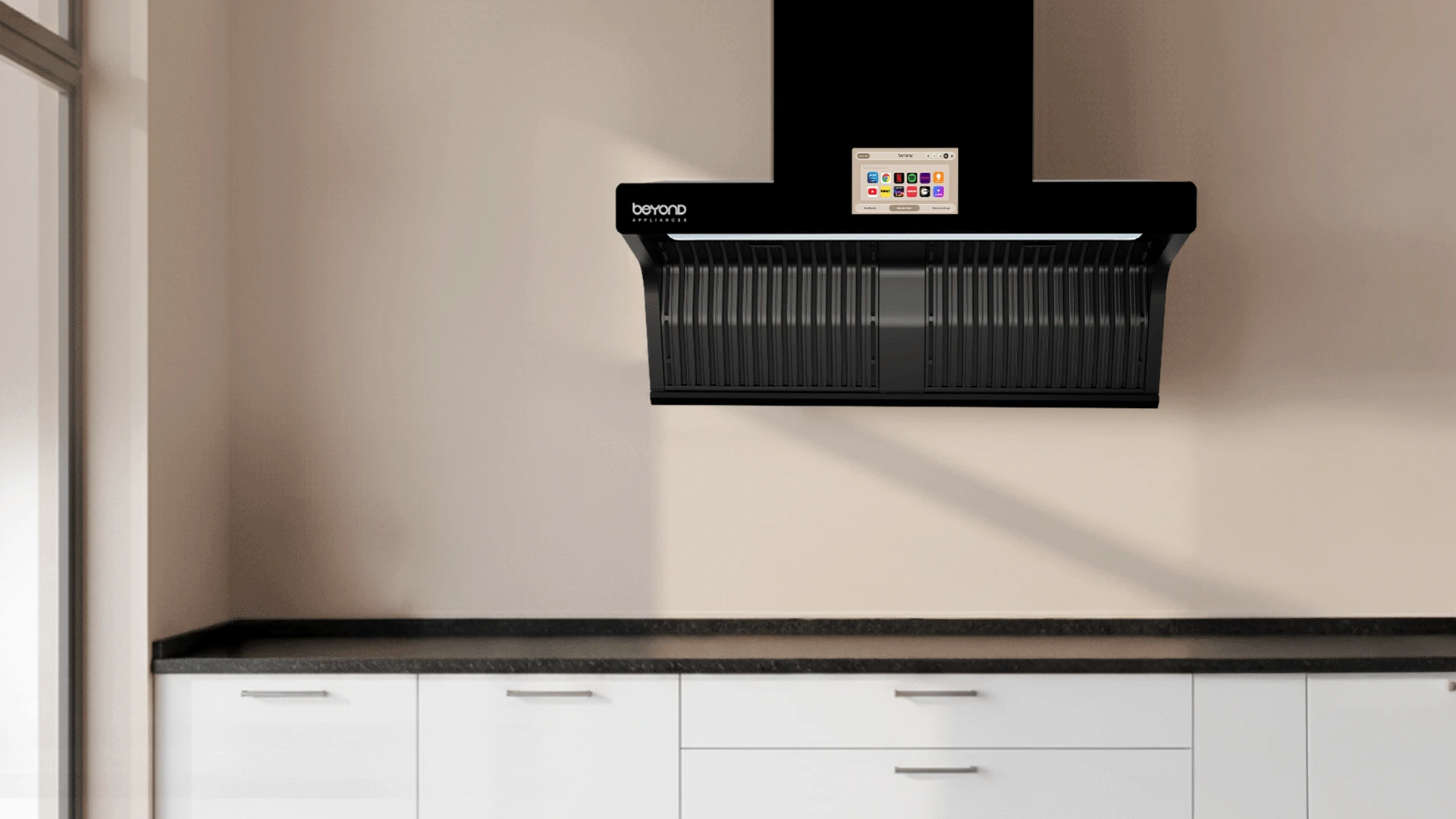
The modern kitchen has become a battleground for smart technology, with two powerful contenders vying for control of your cooking space. Traditional manual chimneys are quickly becoming outdated as homeowners embrace automation and convenience. The choice between a smart chimney and a voice controlled chimney represents more than just a feature upgrade—it's about transforming how you interact with your kitchen environment. Both technologies promise to make cooking more enjoyable and efficient, but they achieve this goal through different approaches. Understanding these differences helps you make an informed decision that aligns with your cooking habits, budget, and smart home aspirations.
Smart chimneys represent a significant leap forward from traditional kitchen ventilation systems. These intelligent appliances use sensors and automated controls to manage air quality without constant manual intervention. The technology has evolved rapidly, with features like motion sensor control allowing you to turn the chimney on or off by simply waving your hands. Modern smart chimney models include automatic speed adjustment based on cooking intensity, timer functions, and even AI-powered features. For instance, some models feature an AI whistle counter that sets the number of whistles and counts them for you, alerting with beep alarms when the set number is reached. This eliminates the guesswork from pressure cooking and adds a layer of safety to your cooking routine.
The foundation of any smart chimney lies in its sensor technology and automated responses. Motion sensors provide hands-free operation, which proves invaluable when your hands are occupied with cooking tasks. Auto turn-off timers ensure energy efficiency and prevent unnecessary operation after cooking is complete.
Smart chimneys often incorporate self-cleaning technologies like dry heat auto clean systems. This technology cleans the motor using dry heat, melting jammed oil and particles that collect in an easily removable oil collection tray. This reduces daily maintenance requirements significantly compared to traditional models.
A voice controlled chimney takes smart functionality several steps further by integrating with popular voice assistants like Alexa, Google Assistant, and Siri. This integration transforms your chimney into a connected device that responds to natural language commands, making it part of your broader smart home ecosystem. The setup process typically involves connecting the chimney to your home Wi-Fi network and linking it with your preferred voice assistant through a smartphone app. Once configured, you can control suction speed, lighting, and timer functions using simple voice commands. This hands-free control becomes particularly valuable during intensive cooking sessions when your hands are busy with multiple tasks.
Voice-enabled chimneys can be programmed to work with other smart kitchen appliances, creating automated cooking scenarios. For example, you might set up a routine where saying "start cooking" activates the chimney, adjusts lighting, and begins playing your favorite cooking playlist through the chimney's dual Bluetooth speakers.
While voice control adds convenience, it requires a stable internet connection for cloud-based processing. Basic smart features typically work offline, but voice commands need internet connectivity to function properly. This dependency should be considered when evaluating your home's network reliability.
When comparing smart chimney vs voice assistant chimney options, performance remains the primary consideration. Both types typically offer powerful suction capabilities, with many models providing 1500 CMH suction designed specifically for Indian cooking styles. This suction power effectively clears smoke from heavy frying and grilling operations. Energy efficiency varies between models, but voice-controlled versions may consume slightly more power due to always-on connectivity features. However, smart scheduling and automated operation often offset this increased consumption by preventing unnecessary runtime. Installation complexity increases with voice-enabled models due to network setup requirements, though the physical installation process remains similar.
Smart chimneys typically range from INR 15,000 to INR 40,000, while voice-controlled models command a premium of INR 20,000 to INR 60,000. The price difference reflects the additional technology and development costs associated with voice integration and smart home connectivity.
Traditional smart chimneys rely on button controls and display screens that show changes made via physical buttons. Voice-controlled models add app-based controls and voice commands, providing multiple interaction methods for different situations and user preferences.
During heavy cooking scenarios involving frying or grilling, both smart and voice-controlled chimneys demonstrate similar suction performance. The key difference lies in activation speed and convenience. Voice commands allow immediate adjustment without interrupting cooking flow, while traditional smart chimneys require physical interaction or motion sensor activation. Light cooking scenarios benefit from automatic detection features found in both types. However, voice-controlled models offer more precise control through specific commands like "set chimney to low speed" or "increase suction by 20 percent." This granular control helps optimize energy consumption and noise levels.
Motion sensor activation typically responds within 1-2 seconds, while voice commands may take 2-4 seconds due to cloud processing. This slight delay rarely impacts cooking performance but should be considered for time-sensitive cooking operations.
Both types operate at similar noise levels during suction operation, typically ranging from 45-65 decibels depending on speed settings. Voice-controlled models may produce occasional notification sounds for connectivity status or command confirmation.
Modern connected chimney systems offer comprehensive app control capabilities, allowing remote monitoring and operation from anywhere in your home. These apps typically provide usage analytics, maintenance reminders, and energy consumption tracking. Some models include firmware update capabilities, ensuring your chimney stays current with the latest features and security patches. Advanced scheduling features allow you to create cooking routines that automatically activate the chimney at specific times or in response to other smart home triggers. For example, you might program the chimney to activate when your smart stove detects cooking activity or when you enter the kitchen during typical meal preparation hours.
Many modern chimneys include dual Bluetooth speakers and FM radio functionality, transforming your cooking space into an entertainment hub. Voice-controlled models can integrate these features with your music streaming services, allowing commands like "play cooking playlist" or "tune to FM 98.3."
Voice-controlled models typically receive more frequent software updates and new feature additions compared to basic smart chimneys. This ongoing development helps protect your investment by adding functionality over time rather than requiring hardware replacement.
Professional installation remains recommended for both smart and voice-controlled chimneys due to electrical and ventilation requirements. However, voice-enabled models require additional network configuration that may need technical support. Many manufacturers offer free delivery and installation services, making the setup process more convenient. Maintenance requirements are similar between both types, with filterless designs reducing ongoing costs and cleaning requirements. The dry heat auto clean technology found in many models significantly reduces manual cleaning frequency. Extended warranty options are typically available for both types, with voice-controlled models sometimes offering longer coverage periods.
Over a five-year period, voice-controlled chimneys may offer better value despite higher initial costs. Energy savings from smart scheduling, reduced maintenance needs, and ongoing feature updates can offset the premium pricing. Additionally, the convenience factor often justifies the additional investment for frequent cooks.
Both types benefit from comprehensive after-sales service support, though voice-controlled models may require specialized technical support for connectivity issues. Regular software updates and remote diagnostics capabilities often reduce the need for on-site service calls.
The decision between a smart chimney and voice controlled chimney depends on your specific needs and preferences. For busy households with frequent cooking, voice control offers unmatched convenience during meal preparation. The hands-free operation becomes particularly valuable when managing multiple dishes simultaneously. Budget-conscious buyers might prefer basic smart chimneys that offer essential automation features without the premium associated with voice integration. These models still provide significant convenience improvements over traditional chimneys while maintaining affordability.
Heavy cooks who prepare multiple meals daily will benefit most from voice-controlled models with their advanced automation and integration capabilities. Occasional cooks might find basic smart features sufficient for their needs. Tech enthusiasts building comprehensive smart homes should prioritize voice-enabled models for seamless ecosystem integration.
Smart chimneys offer automated features like motion sensor control and timer functions, while voice assistant chimneys add hands-free voice control through integration with Alexa, Google Assistant, or Siri for complete smart home connectivity.
Voice controlled chimneys typically cost INR 5,000 to INR 20,000 more but offer significant convenience during cooking when hands are occupied, making them worthwhile for frequent cooks and smart home enthusiasts.
Some smart chimneys can be upgraded through firmware updates or smart plugs, but full voice integration with features like AI whistle counter and dual Bluetooth speakers usually requires a voice-enabled model.
Basic smart features like motion sensor control and auto turn-off work offline, but voice control requires internet connectivity for processing commands through cloud services.
Google Assistant and Alexa offer the most comprehensive smart home integration with kitchen appliances, while Siri works well within Apple ecosystems but has fewer third-party integrations.
The choice between smart and voice-controlled chimneys ultimately depends on your cooking habits, budget, and smart home goals. Both technologies offer significant improvements over traditional models, with features like 1500 CMH suction, filterless design, and LED lighting enhancing the cooking experience. Voice control adds a premium layer of convenience that proves valuable for active cooks, while basic smart features provide excellent value for occasional users. Consider your long-term kitchen plans and smart home aspirations when making this important decision for your cooking space.
