

Smart Chimney vs Traditional: Lifespan Showdown
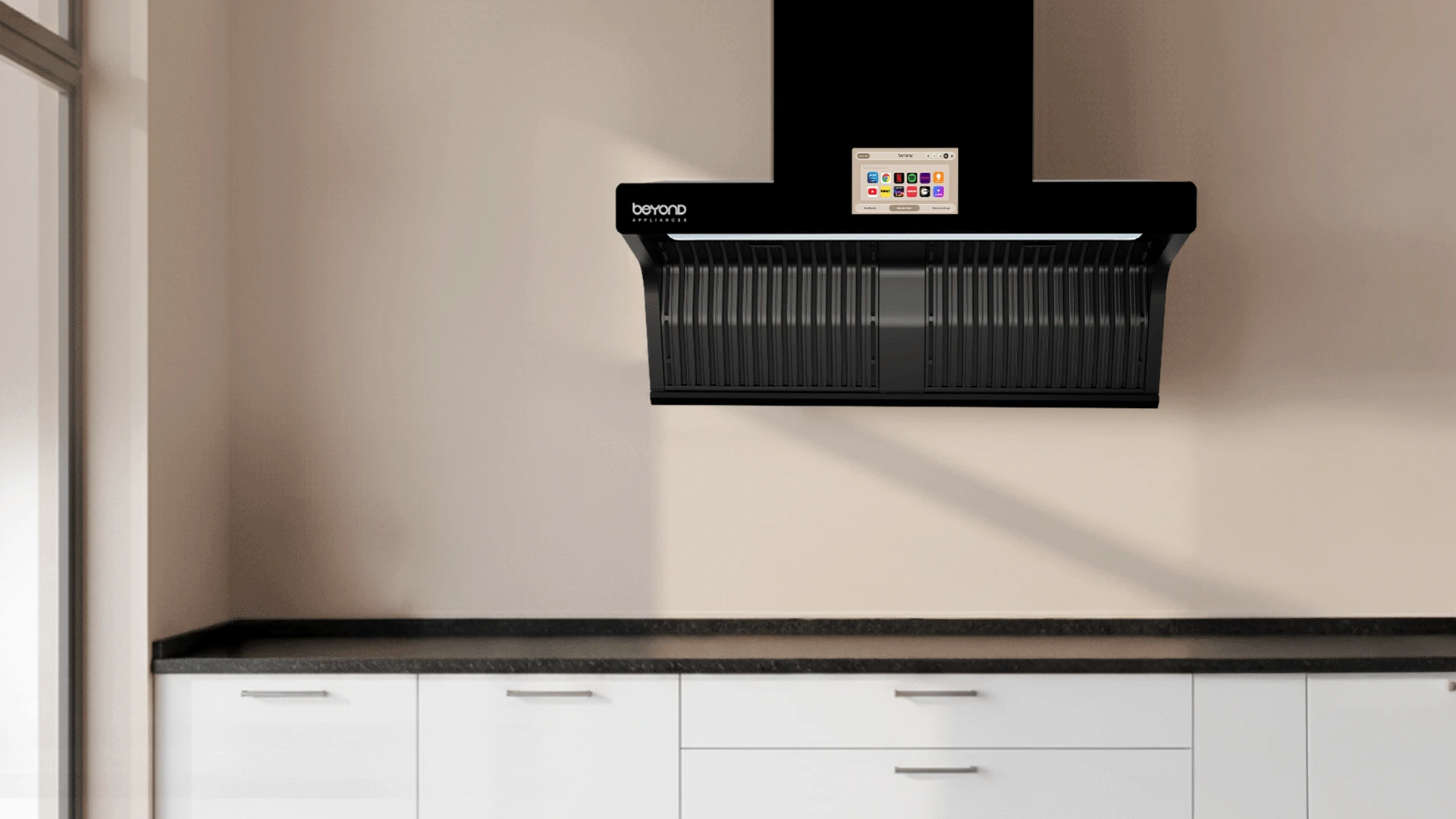
Modern kitchens demand reliable ventilation solutions that can withstand years of daily cooking. When choosing between smart and traditional chimneys, understanding their expected lifespan becomes crucial for making a wise investment. Both options offer distinct advantages, but their durability varies significantly based on technology, materials, and maintenance requirements. Smart chimneys bring advanced features like IoT sensors and automated controls, while traditional models rely on proven mechanical systems. The smart chimney lifespan depends heavily on electronic components and software updates, whereas conventional chimneys focus on mechanical reliability. This comparison explores how each system performs over time, helping you choose the most durable option for your kitchen needs.
The fundamental difference between smart and traditional chimneys lies in their core technology and operational mechanisms. Smart chimneys integrate advanced electronics with traditional ventilation principles, creating a more sophisticated but potentially complex system. Traditional chimneys maintain simplicity through mechanical controls and basic motor systems.
Smart chimneys incorporate IoT sensors that monitor air quality, cooking patterns, and system performance automatically. These sensors communicate with smartphone apps, allowing remote control and real-time monitoring of chimney maintenance needs. Advanced filtration systems work alongside variable speed motors that adjust suction power based on cooking intensity. App connectivity enables users to schedule cleaning cycles, receive maintenance alerts, and track energy consumption patterns.
Traditional chimneys rely on straightforward mechanical systems with manual controls and standard switches. Basic motor and fan systems operate at fixed speeds, controlled through physical buttons or knobs. Standard filtration methods include baffle filters and cassette filters that require regular manual cleaning. These systems focus on core functionality without electronic complexity, making them easier to understand and maintain.
Usage frequency significantly impacts chimney durability regardless of technology type. Heavy cooking households with daily frying and grilling put more strain on motors and filters. Environmental conditions like humidity, temperature fluctuations, and kitchen ventilation affect component longevity. Quality installation and initial setup determine how well the system handles operational stress over time.
Smart chimneys offer impressive longevity when properly maintained, though their lifespan varies based on technology complexity and component quality. Premium models with high-grade electronics and robust construction typically outlast budget options significantly. The integration of advanced features can either enhance durability through better system management or create additional failure points.
Premium smart chimneys with top-tier components typically last 12-15 years with proper maintenance and care. Mid-range options featuring essential smart functions generally provide 8-12 years of reliable service. Entry-level models with basic smart features usually function effectively for 6-10 years before requiring significant repairs or replacement.
Self-cleaning mechanisms reduce manual maintenance requirements while preventing grease buildup that damages internal components. Auto-maintenance alerts notify users about chimney cleaning schedules and filter replacements before problems develop. Variable speed controls minimize motor strain by adjusting power output based on actual cooking needs. Smart sensors prevent overheating by monitoring temperature levels and automatically adjusting fan speeds when necessary.
Electronic component failures represent the most frequent durability concern, particularly in humid kitchen environments. Software update dependencies can render older models obsolete if manufacturers discontinue support. Connectivity module replacements become necessary when wireless components fail or become incompatible with newer smartphone systems.
Traditional chimneys have established track records for mechanical reliability and straightforward operation. Their simpler construction reduces potential failure points while making repairs more accessible and affordable. The absence of complex electronics eliminates software-related issues that can affect smart models.
High-quality traditional chimneys with premium motors and construction materials typically provide 10-15 years of dependable service. Standard models using quality components generally last 7-12 years with regular maintenance. Budget options may require replacement after 5-8 years, depending on usage intensity and care quality.
Fewer electronic components mean fewer potential failure points that could compromise system operation. Easier repair and part replacement make maintenance more accessible to homeowners and local technicians. Lower dependency on technology updates ensures continued functionality regardless of software changes or connectivity issues.
Motor degradation occurs gradually over time, typically showing reduced suction power before complete failure. Filter clogging becomes more frequent as systems age, requiring more regular cleaning and eventual replacement. Mechanical switch and control issues develop slowly, usually manifesting as reduced responsiveness or intermittent operation.
Proper maintenance significantly extends chimney lifespan regardless of technology type, but requirements differ substantially between smart and traditional models. Smart chimneys need both mechanical and electronic maintenance, while traditional models focus primarily on mechanical upkeep. Understanding these differences helps homeowners plan maintenance schedules and budgets effectively.
Regular software updates ensure optimal performance and security for connected features. Sensor cleaning and calibration maintain accuracy for automatic functions and air quality monitoring. Advanced filter replacement schedules based on usage data help prevent system strain and maintain efficient chimney operation.
Manual cleaning and chimney inspection routines focus on removing grease buildup and checking mechanical components. Basic filter maintenance involves regular washing or replacement based on visual inspection and performance. Motor lubrication and mechanical upkeep ensure smooth operation and prevent premature wear.
Smart chimney service expenses include both mechanical and electronic component maintenance, potentially costing INR 3,000-5,000 annually. Traditional chimney upkeep costs typically range from INR 1,500-3,000 yearly for filters, cleaning, and basic maintenance. DIY maintenance options are more accessible for traditional models, while smart chimneys often require professional service for electronic components.
Material quality and construction methods significantly influence chimney durability across both smart and traditional models. Advanced materials in smart chimneys must accommodate electronic components while maintaining structural integrity. Traditional chimneys rely on proven materials with established performance records in kitchen environments.
Corrosion-resistant smart coatings protect electronic housings from kitchen moisture and grease exposure. Heat-resistant electronic housings ensure sensitive components remain functional despite cooking heat and steam. Advanced motor materials incorporate better heat dissipation and corrosion resistance for extended operational life.
Stainless steel and aluminum construction provides excellent corrosion resistance and structural durability. Proven motor housing materials offer reliable protection against kitchen environments without electronic complexity. Standard filtration media options include easily replaceable components with established performance characteristics.
Humidity and temperature effects vary between smart and traditional models, with electronics being more sensitive to moisture. Grease and smoke exposure patterns affect both types similarly, but smart sensors may require more frequent cleaning. Kitchen ventilation and air quality factors influence component longevity differently based on system complexity.
Evaluating total cost of ownership requires considering initial investment, maintenance expenses, and expected lifespan for both chimney types. Smart chimneys typically cost more upfront but may offer energy savings over time. Traditional chimneys provide lower initial costs with potentially higher long-term maintenance requirements.
Smart chimney price ranges typically start from INR 15,000 for basic models and extend to INR 50,000+ for premium features. Traditional chimney cost considerations range from INR 8,000 for basic models to INR 25,000 for high-quality options. Installation and setup expenses remain similar for both types, typically adding INR 2,000-4,000 to total costs.
Chimney repair
frequency tends to be higher for smart models due to electronic components, potentially costing INR 2,000-8,000 per incident. Energy efficiency savings from smart chimneys may reduce electricity bills by 15-25% annually. Replacement timeline considerations favor traditional models for longevity, while smart models offer feature advantages during their operational life.
Purchase price plus maintenance and repairs over 10 years typically totals INR 35,000-70,000 for smart chimneys. Traditional models generally cost INR 25,000-45,000 over the same period including all expenses. Energy consumption differences can save INR 500-1,500 annually with smart models, while resale value considerations slightly favor smart chimneys in modern homes.
Smart chimneys generally last 8-15 years depending on quality and maintenance, while traditional chimneys typically provide 7-15 years of service. Premium models in both categories achieve longer lifespans with proper care.
Regular filter cleaning, annual professional inspections, and prompt chimney repair of minor issues significantly extend lifespan. For smart models, keeping software updated and protecting electronics from moisture proves crucial.
Yes, smart chimney repairs typically cost 30-50% more due to electronic components and specialized service requirements. Traditional models use more readily available parts and simpler repair procedures.
Traditional chimneys often prove more durable for heavy cooking due to simpler mechanical systems that handle stress better. However, premium smart chimneys with robust construction can match traditional durability.
Reduced suction power, frequent breakdowns, excessive noise, or chimney repair costs exceeding 50% of replacement value indicate replacement time. Smart chimneys may also need replacement when software support ends.
Smart chimneys typically offer 2-5 years comprehensive warranty, while traditional models usually provide 1-3 years coverage. Extended warranty options are available for both types at additional cost.
Choosing between smart and traditional chimneys requires balancing technology benefits against proven reliability. Smart chimneys offer advanced features and energy efficiency but require more complex maintenance and higher repair costs. Traditional models provide straightforward operation and lower maintenance costs while sacrificing modern conveniences. Consider your cooking habits, technical comfort level, and long-term budget when making this important kitchen investment. Both options can provide excellent service when properly maintained and matched to household needs.
