

Smart Chimney vs Regular: Ultimate Performance Guide
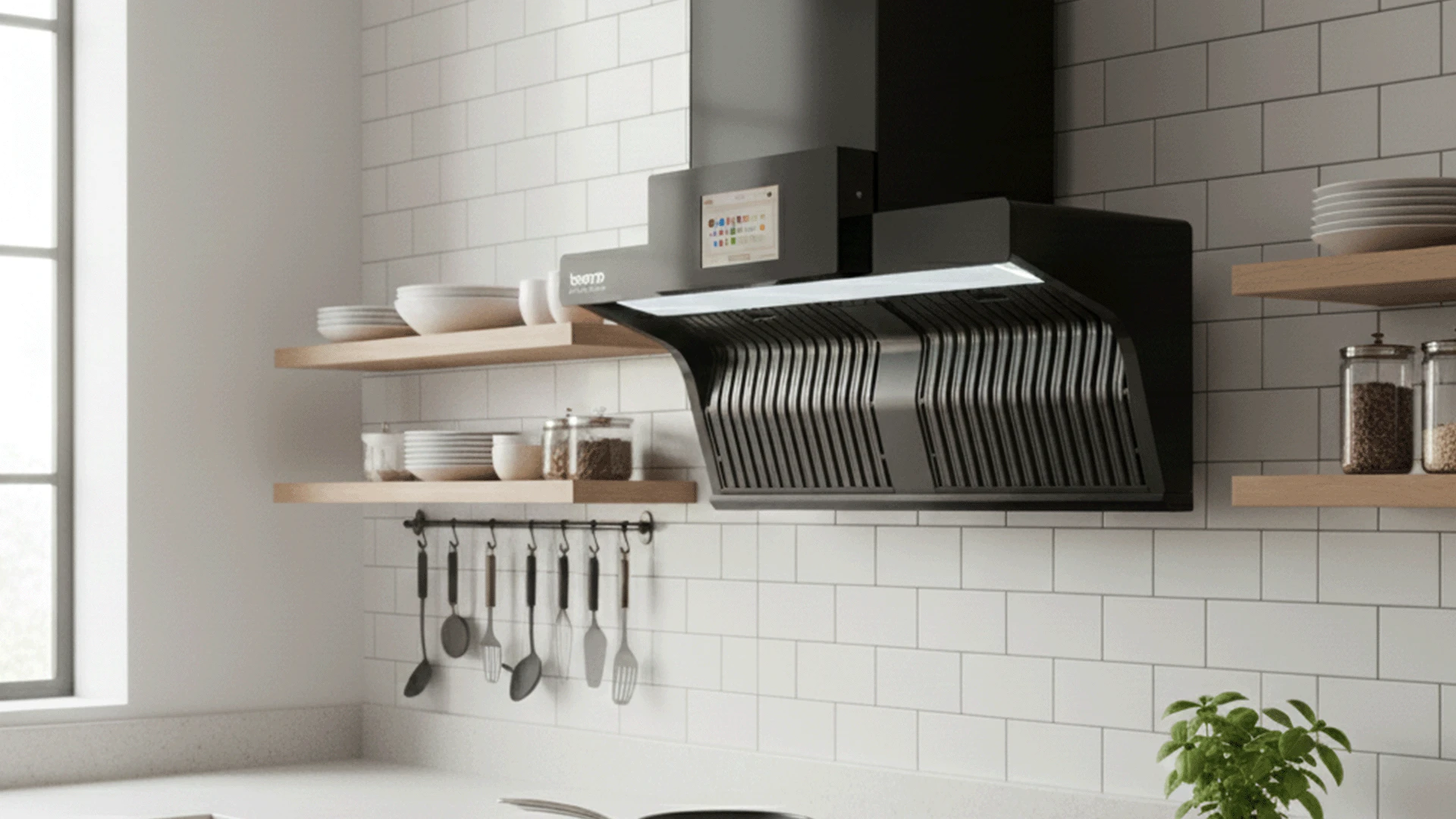
Kitchen ventilation has evolved dramatically in recent years, with homeowners facing a crucial decision between traditional systems and cutting-edge technology. The choice between a smart chimney vs regular chimney impacts not only your cooking experience but also energy efficiency, safety, and long-term costs. Modern chimney technology offers automated features and advanced monitoring, while traditional designs provide proven reliability and straightforward operation. Understanding these differences helps you make an informed decision that aligns with your lifestyle, budget, and home requirements.
The fundamental difference between smart and traditional chimneys lies in their operational approach and technological integration. Smart chimneys incorporate advanced sensors, automated controls, and connectivity features that transform how your kitchen ventilation system operates. These systems can adjust suction power based on cooking intensity, monitor air quality in real-time, and even send maintenance alerts to your smartphone.
Smart chimneys feature IoT integration that connects your ventilation system to your home network. Advanced sensors continuously monitor cooking fumes, temperature, and air quality levels. Remote operation capabilities allow you to control your chimney from anywhere in your home using smartphone apps. Energy optimization features automatically adjust power consumption based on actual ventilation needs, reducing electricity bills while maintaining optimal performance.
Regular chimneys operate on time-tested natural draft principles and manual controls. These systems use conventional materials like stainless steel and aluminum with straightforward construction methods. Manual operation systems require users to adjust settings based on their cooking requirements. The reliability factors of traditional designs have been proven over decades of consistent performance in millions of homes.
The smart chimney benefits extend far beyond basic ventilation, offering a comprehensive solution for modern kitchen management. These systems provide precise control over air quality, energy consumption, and safety monitoring. Advanced algorithms learn your cooking patterns and automatically optimize performance for different types of meals and cooking methods.
Real-time airflow adjustment ensures optimal suction power for different cooking scenarios. Weather-responsive operation adapts to external conditions that affect ventilation efficiency. Optimal fuel combustion management helps gas stoves operate more efficiently by maintaining proper air circulation.
Carbon monoxide detection systems provide early warnings of dangerous gas accumulation. Temperature monitoring alerts prevent overheating and potential fire hazards. Automatic shutdown protocols activate during emergencies or system malfunctions. Remote safety diagnostics allow technicians to identify issues before they become serious problems.
Heat recovery systems capture and redistribute warm air, reducing overall energy consumption. Smart scheduling capabilities operate the chimney only when needed, eliminating unnecessary power usage. Integration with home automation systems creates seamless coordination with other appliances for maximum efficiency.
Despite technological advances, regular chimney advantages remain compelling for many homeowners. Traditional systems offer simplicity, reliability, and cost-effectiveness that appeals to those who prefer straightforward solutions. These chimneys require minimal technical knowledge for operation and maintenance, making them accessible to all users regardless of their comfort level with technology.
Decades of field-tested performance demonstrate the long-term reliability of traditional chimney designs. Minimal electronic failure points reduce the likelihood of unexpected breakdowns. Weather-independent operation ensures consistent performance regardless of external conditions or power fluctuations.
Straightforward installation processes reduce labor costs and complexity. Standard maintenance procedures can be performed by most service technicians. Reduced complexity costs make traditional chimneys more budget-friendly for initial purchase and ongoing care.
Traditional chimneys work effectively with all fuel types including gas, electric, and induction cooktops. No technology dependencies mean these systems operate independently of internet connectivity or smart home integration. Easy repair and replacement options ensure long-term serviceability with readily available parts.
When evaluating chimney efficiency comparison factors, several key metrics determine overall performance. Suction capacity, measured in cubic meters per hour, indicates how effectively the system removes cooking fumes. Energy consumption ratings show the power required for optimal operation. Noise levels affect kitchen comfort during cooking activities.
Natural draft systems rely on temperature differences to create airflow, while assisted draft systems use fans for consistent suction. Airflow consistency measurements show how well each system maintains steady performance during extended cooking sessions. Seasonal performance variations affect efficiency based on external temperature and humidity conditions.
Thermal efficiency ratings indicate how much cooking heat is retained versus expelled through the chimney. Heat retention capabilities affect kitchen comfort and overall energy consumption. Energy consumption comparisons reveal the long-term operational costs of different chimney types.
Emissions reduction potential varies between smart and traditional systems based on their operational efficiency. Carbon footprint differences include manufacturing, operation, and disposal considerations. Sustainable operation factors encompass energy efficiency and material longevity.
Understanding chimney installation costs helps homeowners budget effectively for their kitchen upgrade. Smart chimneys typically require higher initial investment but may offer long-term savings through energy efficiency. Traditional systems provide lower upfront costs with predictable maintenance expenses. Professional installation ensures optimal performance and warranty coverage for both system types.
Equipment costs for smart chimneys range from INR 15,000 to INR 50,000 depending on features and brand. Professional installation requirements include electrical connections and network setup, adding INR 2,000 to INR 5,000 to total costs. Long-term operational savings through energy efficiency can offset higher initial investment over 5-7 years.
Material and labor expenses for regular chimneys typically range from INR 8,000 to INR 25,000. Standard installation timelines require 2-4 hours for most residential applications. Maintenance cost projections average INR 1,000 to INR 2,000 annually for cleaning and basic repairs.
Ten-year cost analysis includes purchase price, installation, energy consumption, and maintenance expenses. Energy savings calculations show smart chimneys can reduce electricity bills by 15-25% compared to traditional systems. Resale value impact favors homes with modern, energy-efficient appliances in today's market.
Proper maintenance ensures optimal performance and extends the lifespan of both smart and traditional chimneys. Chimney maintenance tips vary based on system complexity and technology integration. Regular cleaning, filter replacement, and professional inspections prevent common issues and maintain efficiency. Seasonal preparation helps systems operate effectively year-round.
Software updates ensure optimal performance and security for connected features. Sensor cleaning and calibration maintain accurate monitoring capabilities. Technology troubleshooting guides help resolve common connectivity and operational issues without professional service calls.
Annual inspection checklists include motor function, filter condition, and ductwork integrity. Cleaning and debris removal prevent blockages that reduce efficiency. Structural maintenance needs focus on mounting hardware and electrical connections for safe operation.
Winter readiness protocols include checking for proper insulation and weatherproofing. Summer shutdown procedures help preserve system components during periods of minimal use. Year-round performance optimization involves adjusting settings based on cooking patterns and seasonal requirements.
Smart chimneys feature automated controls, sensors, and connectivity options that adjust operation based on cooking conditions. Regular chimneys use manual controls and operate independently without technological integration.
Smart chimneys provide value through energy savings, enhanced safety features, and convenience. The higher initial cost is often offset by reduced electricity bills and improved cooking experience over time.
Smart chimneys typically operate 15-25% more efficiently than traditional systems through automated power adjustment and optimized airflow management.
Smart chimneys need regular software updates and sensor calibration in addition to standard cleaning and filter replacement procedures.
Conversion is possible in some cases through retrofit kits, but complete replacement often provides better performance and warranty coverage.
Smart chimneys offer carbon monoxide detection, temperature monitoring, automatic shutdown features, and remote diagnostics for enhanced kitchen safety.
Choosing between a smart chimney and regular chimney depends on your priorities for technology, budget, and cooking habits. Smart chimneys excel in energy efficiency, safety features, and convenience for tech-savvy homeowners willing to invest in advanced functionality. Traditional chimneys remain excellent choices for those seeking reliable, cost-effective ventilation without technological complexity. Consider your long-term plans, cooking frequency, and comfort level with smart home technology when making this important kitchen upgrade decision.
