

Reduce Kitchen Chimney Noise: A Complete Guide
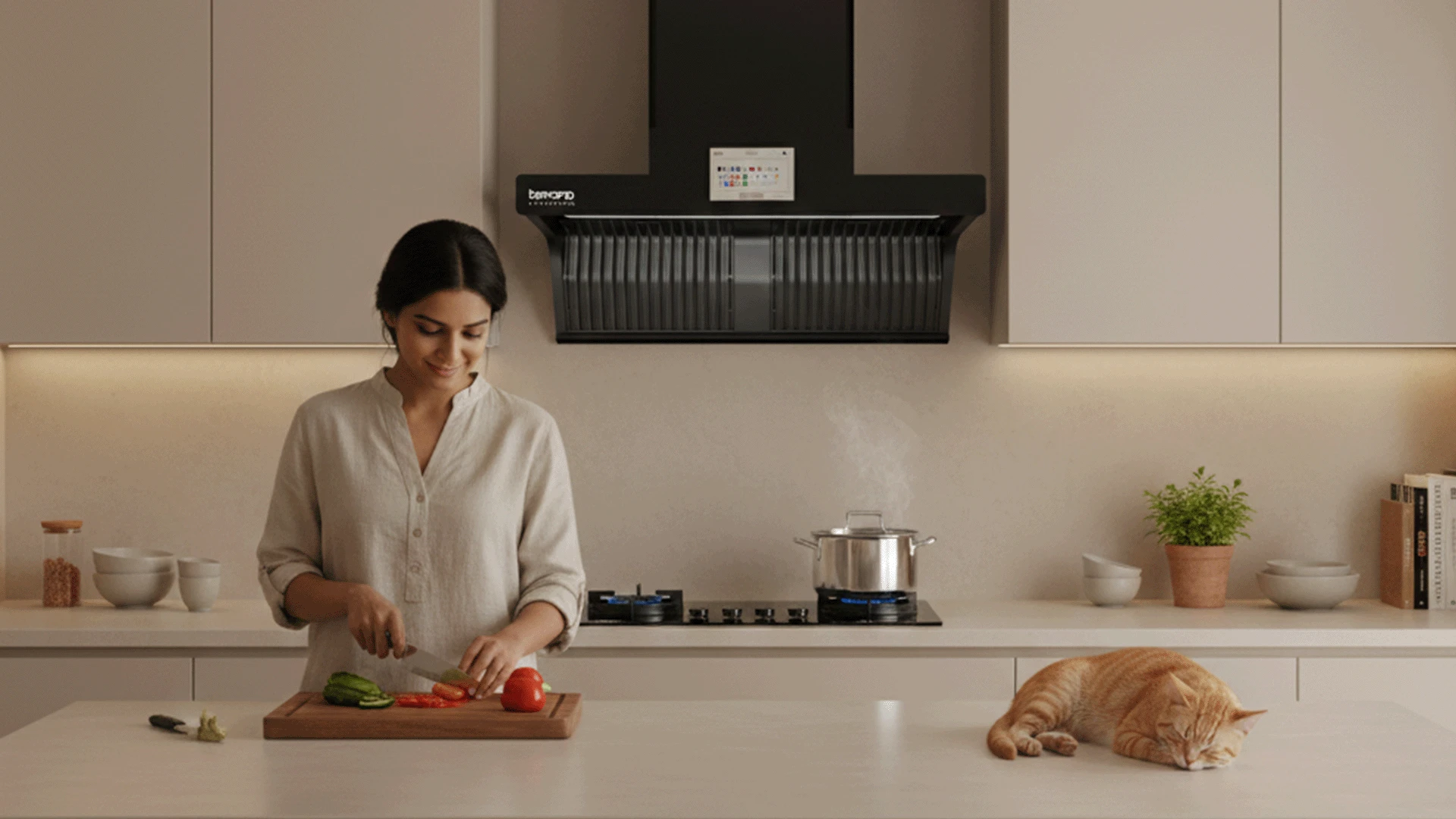
A noisy kitchen chimney can turn your peaceful cooking experience into a frustrating ordeal. Whether it's the constant humming during meal preparation or the loud roar when you're entertaining guests, excessive kitchen chimney noise levels affect both your comfort and your home's atmosphere. Understanding what causes these sounds and how to address them can help you create the quiet, efficient kitchen environment you deserve. Modern chimneys should operate smoothly without disrupting your daily routine, and with the right approach, you can significantly reduce unwanted noise while maintaining optimal ventilation performance.
Kitchen chimney noise is measured in decibels (dB), and understanding these measurements helps you identify whether your appliance operates within acceptable limits. Most quality chimneys operate between 30-65 dB, with quieter models staying closer to the lower end of this range. Normal conversation occurs at around 60 dB, so a chimney operating above this level becomes noticeably intrusive. Chimney decibel levels below 45 dB are considered exceptionally quiet, while anything above 70 dB indicates a problem requiring immediate attention. You can measure your current noise levels using smartphone apps or a basic sound meter from any electronics store.
Manufacturers typically list noise ratings in their specifications, but these numbers often represent ideal conditions. Real-world performance can vary based on installation quality, ductwork design, and maintenance levels.
To accurately assess your chimney's performance, measure noise levels at different speed settings during actual cooking conditions. Take readings from various positions in your kitchen to understand how sound travels throughout the space.
Several factors contribute to excessive kitchen exhaust fan noise, and identifying the root cause helps determine the most effective solution. Understanding these issues allows you to address problems before they worsen and potentially damage your appliance. Motor-related problems top the list of noise culprits. Worn bearings, loose components, or inadequate lubrication create grinding, squealing, or rattling sounds. Chimney motor noise often indicates internal wear that requires professional attention or component replacement.
Poor installation creates vibration problems that amplify throughout your kitchen. Loose mounting screws, inadequate wall support, or improper alignment between the chimney and ductwork generate unnecessary noise during operation.
Restricted airflow forces your chimney to work harder, creating additional noise. Sharp bends, undersized ducts, or blocked vents increase resistance and strain the motor, resulting in louder operation and reduced efficiency.
Grease buildup on fan blades creates imbalance and turbulence, significantly increasing chimney fan noise. Regular cleaning prevents this accumulation and maintains smooth, quiet operation throughout your appliance's lifespan.
Implementing effective chimney noise reduction strategies requires a systematic approach targeting the most common noise sources. These methods range from simple maintenance tasks to more comprehensive solutions requiring professional assistance. Regular cleaning forms the foundation of noise prevention. Remove grease and debris from fan blades, filters, and internal surfaces monthly. Clean components operate more smoothly and quietly while extending your appliance's operational life.
Proper motor care significantly reduces operational noise. Apply appropriate lubricants to moving parts according to manufacturer specifications, and replace worn components before they cause additional damage.
Secure all mounting hardware and install anti-vibration pads between the chimney and wall. These simple additions absorb vibrations that would otherwise transfer throughout your kitchen structure.
Ensure your ductwork provides smooth airflow with minimal restrictions. Replace damaged sections, eliminate unnecessary bends, and verify proper sizing for your chimney's capacity requirements.
Many users operate their chimneys at unnecessarily high speeds. Experiment with lower settings during light cooking to find the optimal balance between ventilation effectiveness and noise levels.
Chimney soundproofing involves strategic placement of sound-absorbing materials and vibration dampening systems. These solutions address noise at its source while preventing sound transmission throughout your home. Ductwork insulation significantly reduces noise transmission. Wrap ducts with acoustic insulation materials designed for kitchen applications, ensuring proper ventilation while minimizing sound transfer to adjacent rooms.
Install rubber gaskets, flexible connectors, and isolation pads at connection points. These components break the vibration path between your chimney and building structure, preventing noise amplification.
For severe noise problems, consider acoustic enclosures around motor units. These specialized housings contain sound while maintaining proper ventilation and accessibility for maintenance.
Selecting a quiet kitchen chimney requires careful consideration of motor technology, design features, and performance specifications. Modern appliances offer various noise reduction technologies that significantly improve kitchen comfort. Centrifugal motors generally operate more quietly than axial designs, especially at higher suction capacities. Look for models featuring brushless motors, which eliminate friction-related noise while providing longer operational life.
Higher suction capacity doesn't necessarily mean increased noise. Quality manufacturers engineer their products to deliver powerful ventilation while maintaining acceptable kitchen ventilation noise levels.
Seek chimneys with variable speed controls, allowing you to adjust performance based on cooking requirements. Multiple speed settings provide flexibility while minimizing unnecessary noise during light cooking activities.
Determining whether to attempt DIY repairs or seek professional assistance depends on the complexity of your noise issues and your technical expertise. Simple maintenance tasks like cleaning and minor adjustments are suitable for most homeowners. Professional service becomes necessary for motor problems, electrical issues, or complex ductwork modifications. Experienced technicians can diagnose problems accurately and implement noisy chimney solutions that address root causes rather than symptoms.
DIY maintenance costs typically range from INR 500-2000 for cleaning supplies and basic tools. Professional services may cost INR 2000-8000 depending on the required repairs and replacement parts.
Professional solutions often provide longer-lasting results, especially for complex problems. Proper diagnosis and quality repairs prevent recurring issues that might result from incomplete DIY attempts.
Chimney noise above 65 dB during normal operation indicates a problem requiring attention. Quality models should operate between 30-55 dB under typical cooking conditions.
Yes, sudden increases in noise levels often signal motor bearing failure, loose components, or electrical issues. Address these problems promptly to prevent costly damage.
Perform basic cleaning monthly and schedule professional maintenance annually. Heavy cooking may require more frequent attention to maintain optimal performance.
Not necessarily. While premium models often feature better noise control, proper installation and maintenance significantly impact any chimney's noise levels regardless of price.
Well-maintained quality chimneys typically last 8-12 years while maintaining quiet operation. Regular servicing extends this lifespan and preserves noise performance.
Yes, many noise reduction techniques can be applied to existing installations. Anti-vibration pads, ductwork insulation, and motor maintenance often provide significant improvements.
Reducing kitchen chimney noise requires understanding the causes and implementing appropriate solutions. Regular maintenance, proper installation, and quality components form the foundation of quiet operation. Whether through DIY efforts or professional service, addressing noise issues improves your cooking experience while protecting your investment. Remember that prevention through regular care costs less than reactive repairs, and modern chimney technology offers excellent noise control when properly maintained.
