

Protect Your Hobtop: Maintenance Guide for Humid Areas
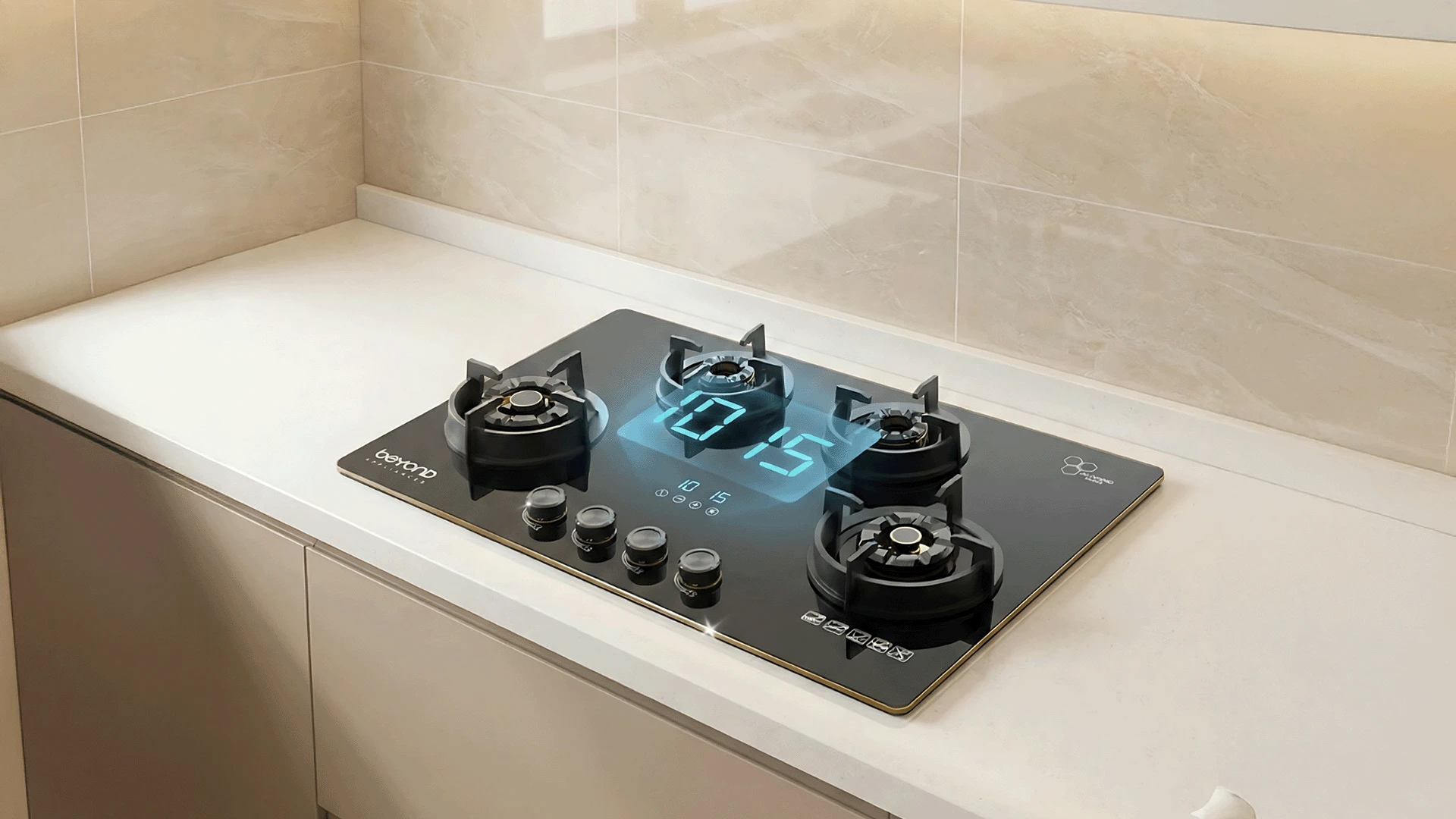
Humid climates pose unique challenges for kitchen appliances, especially hobtops that face constant exposure to moisture and steam. Whether you live in coastal areas or regions with high humidity levels, your cooking appliance requires special attention to maintain optimal performance and longevity. Understanding how to maintain hobtop in humid regions becomes crucial for preventing costly repairs and ensuring safe cooking experiences. This comprehensive guide covers everything from daily maintenance routines to advanced protection strategies that keep your hobtop functioning efficiently despite challenging environmental conditions.
Humid environments create perfect conditions for moisture-related damage to cooking appliances. When water vapor accumulates on metal surfaces, it accelerates corrosion processes that can permanently damage your hobtop's components. The combination of heat from cooking and ambient moisture creates condensation that settles into crevices, joints, and electrical connections. Rust formation begins within hours of moisture exposure on unprotected metal surfaces. Gas hobtops face particular risks as their burner components contain multiple metal parts that trap moisture. Electric and induction hobtops suffer from electrical component degradation when humidity penetrates control panels and wiring connections. Cooking appliance care in humid climates requires understanding these vulnerability points. Early warning signs include discoloration around burner rings, sticky control knobs, uneven flame patterns, or electrical malfunctions. Surface pitting, brown spots, or flaking paint indicate advanced moisture damage. Ignoring these symptoms leads to complete component failure, requiring expensive replacements that could cost thousands of rupees.
Daily maintenance prevents moisture accumulation that causes long-term damage. After each cooking session, wipe down all surfaces with a dry cloth to remove condensation and food particles. Pay special attention to areas around burners where steam typically collects. Weekly deep-cleaning sessions should include removing drip trays, burner caps, and grates for thorough washing and drying. Use mild detergent solutions followed by complete air-drying before reassembly. Kitchen appliance maintenance schedules become more critical in humid environments where moisture damage accelerates.
Examine gas connections for corrosion signs, test all control functions, and check electrical connections for moisture intrusion. Document any changes in performance or appearance to track deterioration patterns.
During monsoon seasons, increase cleaning frequency and apply protective treatments to vulnerable metal surfaces. Store removable components in dry locations when not in use.
Rust prevention hobtop strategies focus on moisture control and protective barriers. Stainless steel surfaces require regular application of specialized protective coatings that repel water while maintaining heat conductivity. Food-grade mineral oil creates an effective moisture barrier on cast iron components. Proper drying techniques involve using lint-free cloths followed by air-drying periods before covering or storing components. Never store wet or damp parts as trapped moisture accelerates corrosion. Install moisture-absorbing packets in storage areas to maintain dry conditions.
Early-stage rust responds to gentle abrasion with fine steel wool followed by protective coating application. Baking soda paste removes surface oxidation without damaging underlying metal. Commercial rust removers should only be used as last resorts due to their aggressive chemical nature.
Different hobtop types require specific cleaning approaches for optimal cooktop care. Gas hobtops need careful attention to burner ports that can clog with moisture and debris. Use thin wire or specialized cleaning tools to clear blocked ports without damaging delicate components. Electric hobtops require gentle cleaning around heating elements to prevent electrical damage. Avoid excessive moisture near control panels and use barely damp cloths for surface cleaning. Induction hobtops need specialized glass cleaners that don't leave residue affecting magnetic field efficiency.
Begin by disconnecting power and gas supplies for safety. Remove all detachable components and soak in warm, soapy water. Clean fixed surfaces with appropriate cleaners, working from top to bottom to prevent recontamination. Rinse thoroughly and dry completely before reassembly. Apply protective treatments to metal surfaces while components air-dry. Reconnect utilities only after ensuring complete dryness of all electrical connections.
Efficient cooking tips include using lids to contain steam, operating exhaust fans during cooking, and avoiding prolonged high-heat cooking that generates excessive moisture. Smart cooking maintenance involves timing cooking activities to coincide with lower ambient humidity periods when possible. Proper ventilation becomes critical in humid climates. Ensure exhaust systems operate at maximum efficiency by cleaning filters regularly and checking ductwork for blockages. Cross-ventilation helps remove moisture-laden air from cooking areas. Temperature management strategies include preheating efficiently to reduce cooking times and using appropriate heat levels that minimize steam production. Energy-efficient practices like batch cooking reduce overall moisture exposure while saving on utility costs.
Professional technicians should inspect hobtops annually in humid climates to identify potential problems before they become costly repairs. Smart cooking maintenance includes understanding warranty terms that may require professional servicing to maintain coverage. Upgrading ventilation systems provides long-term protection against humidity damage. Modern exhaust systems with humidity sensors automatically adjust operation based on moisture levels. Installing dehumidifiers in kitchen areas maintains optimal environmental conditions for appliance longevity. Protective accessories include moisture-resistant covers, upgraded gaskets, and improved drainage systems. Creating humidity-controlled environments through proper insulation and ventilation protects all kitchen appliances, not just hobtops.
Daily surface cleaning and weekly deep cleaning prevent moisture damage. Increase frequency during monsoon seasons or periods of high humidity.
Regular drying, protective coatings, and proper storage of removable components effectively prevent rust formation on gas hobtop surfaces.
Yes, moisture can permanently damage electrical components, control panels, and heating elements if proper maintenance isn't followed consistently.
Mild detergents, specialized stainless steel cleaners, and food-grade protective oils provide effective cleaning without promoting moisture retention.
Uneven heating, electrical malfunctions, persistent rust, or gas flow irregularities indicate the need for professional inspection and repair.
Upgraded exhaust fans, improved ductwork, humidity sensors, and cross-ventilation systems significantly reduce moisture-related damage risks.
Maintaining hobtops in humid regions requires consistent daily care, weekly deep cleaning, and monthly inspections to prevent moisture damage. Understanding your specific hobtop type's vulnerabilities helps develop targeted maintenance strategies that extend appliance life and maintain cooking performance. Professional maintenance becomes more important in challenging climates, while proper ventilation and protective measures provide long-term solutions. Investing in preventive maintenance costs significantly less than replacing damaged components, making regular hobtop maintenance essential for humid climate cooking success.
