

Modern Hob Aesthetic Appeal vs. Traditional: A Kitchen Design Comparison
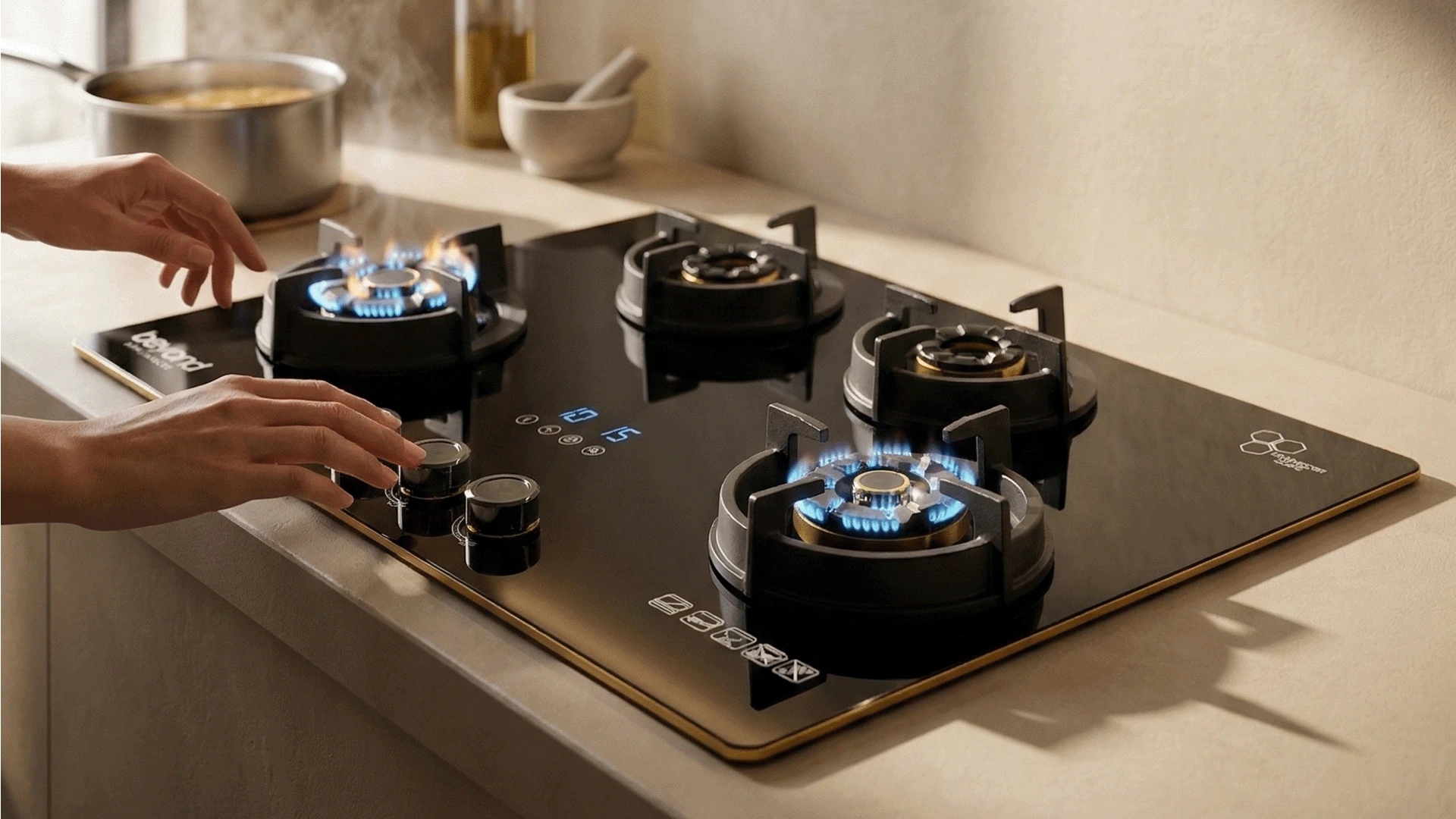
Kitchen design has evolved dramatically over the past decade, with homeowners increasingly prioritizing both functionality and visual appeal. The choice between traditional and modern hob designs has become a defining factor in creating the perfect contemporary kitchen space. Modern hob aesthetic appeal goes beyond mere cooking functionality, transforming your kitchen into a sophisticated culinary workspace that reflects current design trends and lifestyle preferences.
Traditional hobs dominated kitchens for decades with their raised surfaces, visible hardware, and conventional control mechanisms. These designs served their purpose well but often created visual bulk that interrupted the clean lines modern homeowners desire. The shift toward modern kitchen aesthetics has revolutionized hob design, introducing sleek profiles that integrate seamlessly with countertops and complement contemporary kitchen themes.
Several factors have accelerated the adoption of modern hob designs. Urban living spaces demand efficient cooking solutions that maximize both functionality and visual space. Smart cooking technology has enabled manufacturers to create minimalist hob interfaces without sacrificing control precision. Additionally, the rise of open-plan living has made kitchen aesthetics more important than ever, as cooking areas now serve as entertainment and social spaces.
Modern hobs contribute significantly to the overall aesthetic kitchen appeal by creating uninterrupted sight lines and enhancing the sense of space. Their flush-fit installations eliminate the visual barriers that traditional raised hobs create, allowing countertop materials to flow seamlessly throughout the cooking area.
Understanding the fundamental differences between traditional and modern hob designs helps homeowners make informed decisions for their kitchen renovations. Each approach offers distinct advantages depending on cooking habits, design preferences, and budget considerations.
Traditional hobs typically feature raised surfaces that sit above the countertop level, creating defined cooking zones with visible hardware and conventional knob controls. These designs often use standard materials like basic stainless steel or enamel finishes. While functional, they can create visual weight that makes kitchens feel smaller and more cluttered.
Modern stylish hob designs prioritize clean lines and seamless integration. They offer advanced efficient cooking features like precise temperature control, energy monitoring, and smart connectivity. The streamlined profiles make cleaning easier while enhancing the overall kitchen appliances ecosystem. Safety features are elegantly integrated without compromising the minimalist aesthetic.
The visual impact difference is substantial. Modern hobs create a sense of spaciousness and sophistication that traditional designs cannot match. They integrate better with premium countertop materials and contribute to higher resale values. The long-term design sustainability of modern hobs makes them a wise investment for homeowners planning to stay in their homes for years.
Different modern hob technologies offer unique aesthetic and functional advantages. Understanding these options helps homeowners select the perfect solution for their contemporary kitchen vision and cooking needs.
Induction hobs represent the pinnacle of minimalist hob design with their completely flat surfaces and touch controls. The absence of visible heating elements creates an ultra-clean appearance that complements modern kitchen themes perfectly. Smart cooking capabilities include precise temperature control and energy efficiency that reduces operating costs.
Contemporary gas hobs combine the familiar cooking experience with sleek aesthetics. Premium finishes and streamlined burner designs maintain the responsive heat control that professional chefs prefer while integrating seamlessly into modern kitchen designs. Safety features like automatic ignition and flame failure protection are elegantly incorporated.
Ceramic hobs offer smooth surfaces that are easy to clean and maintain. Their design flexibility allows for custom configurations that fit unique kitchen layouts. Electric options provide consistent heating with modern control interfaces that enhance the overall aesthetic kitchen appeal.
Successful modern hob integration requires careful consideration of surrounding elements. The goal is creating a cohesive design that enhances both functionality and visual appeal while maintaining the clean lines that define contemporary kitchen aesthetics.
Seamless integration begins with proper countertop selection and installation. Premium materials like quartz and granite provide the durability needed around cooking areas while offering the visual sophistication that complements modern hob designs. Color coordination ensures the hob enhances rather than disrupts the overall design flow.
Modern hobs work best when integrated into efficient work triangles that connect cooking, preparation, and cleanup areas. Storage solutions should complement the clean lines while providing easy access to cooking essentials. Proper ventilation integration maintains the aesthetic appeal while ensuring optimal air quality.
Strategic lighting enhances the modern hob's aesthetic impact. Task lighting ensures safe cooking while accent lighting can highlight the hob's sleek design. Creating focal points around the cooking area draws attention to the modern elements while maintaining the overall contemporary kitchen flow.
Modern hobs incorporate advanced technology that enhances both cooking performance and aesthetic appeal. These smart cooking features represent the future of kitchen design, offering convenience and efficiency without compromising visual elegance.
App connectivity allows remote monitoring and control, enabling precise cooking even when away from the kitchen. Temperature sensors ensure consistent results while energy monitoring helps optimize utility costs. These features integrate seamlessly into the minimalist design philosophy.
Modern safety features like child locks and automatic shut-off systems are elegantly integrated without disrupting the clean aesthetic. Overheat protection and residual heat indicators use subtle visual cues that maintain the sophisticated appearance while ensuring user safety.
Easy-clean surfaces and scratch-resistant materials ensure the modern hob maintains its aesthetic appeal over time. Quality construction and premium finishes provide long-term value while reducing maintenance requirements.
While modern hobs typically require higher initial investment than traditional options, they offer significant long-term value through energy efficiency, durability, and enhanced home value. Understanding the complete cost picture helps homeowners make informed decisions.
Modern hobs range from INR 15,000 for basic ceramic models to INR 80,000 for premium induction units with advanced features. Installation costs vary depending on electrical requirements and countertop modifications. The investment pays dividends through improved functionality and aesthetic appeal.
Induction hobs offer up to 90% energy efficiency compared to 40-50% for traditional gas hobs. Smart features help optimize energy consumption, reducing monthly utility bills. The environmental benefits align with sustainable living trends that appeal to modern homeowners.
Kitchen renovations featuring modern appliances typically return 70-80% of investment value. Buyers increasingly expect contemporary kitchen features, making modern hobs essential for market competitiveness. Future-proofing through smart technology ensures long-term relevance.
Focus on seamless integration with your countertops and surrounding appliances. Choose finishes that complement your overall design theme. Ensure proper lighting highlights the hob's clean lines while maintaining functionality for cooking tasks.
Avoid improper electrical installation that can damage sensitive electronics. Ensure adequate ventilation to prevent moisture damage. Choose reputable brands with reliable after-sales service to maintain optimal performance and aesthetic appeal.
Induction hobs provide the cleanest aesthetic with their flat surfaces and minimal visual elements. However, the best choice depends on your cooking preferences and kitchen design. Gas hobs offer familiar functionality with modern styling, while ceramic options provide design flexibility.
Regular cleaning with appropriate products maintains the pristine appearance. Avoid abrasive cleaners that can damage surfaces. Follow manufacturer guidelines for optimal care and consider professional servicing to ensure long-term performance and visual appeal.
Many modern hobs can replace traditional units with minimal modification. However, electrical upgrades may be necessary for induction models. Consult with professionals to assess your specific situation and ensure proper installation.
Modern hob aesthetic appeal transforms kitchens by combining sophisticated design with advanced functionality. The investment in contemporary hob technology pays dividends through improved cooking efficiency, enhanced home value, and long-term satisfaction. Whether choosing induction, gas, or ceramic options, modern hobs represent the future of kitchen design, offering the perfect blend of style and substance for today's discerning homeowners.
