

Master Indian Cooking: Ultimate Cooktop Guide
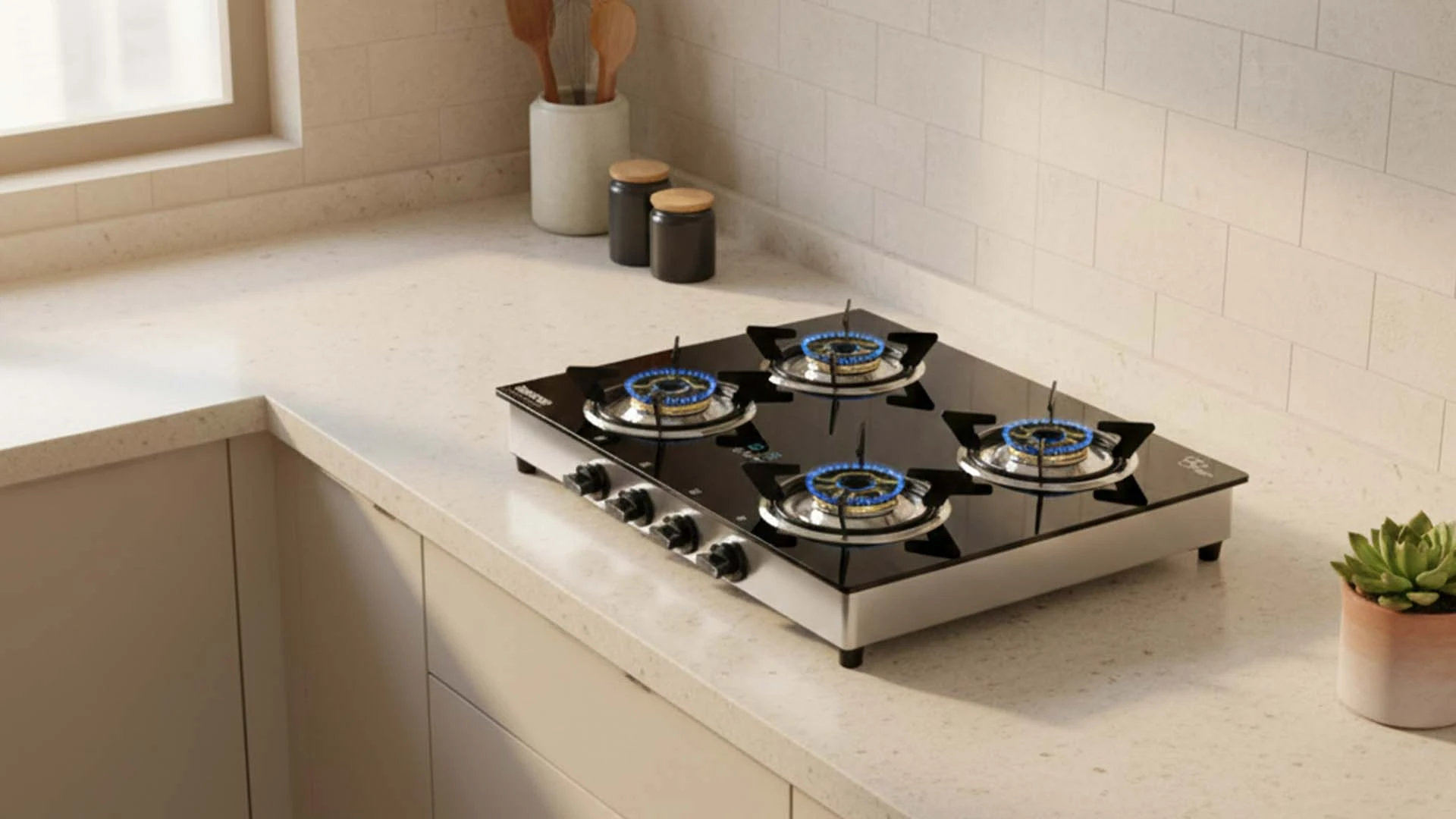
Indian cooking is an art that demands precision, power, and the right equipment. From the intense heat needed for perfect tadka to the gentle simmering required for rich curries, your cooktop serves as the foundation of authentic Indian cuisine. The best cooktop for indian cooking must handle diverse cooking techniques, from high-temperature searing to delicate spice tempering. Whether you're preparing a quick weekday meal or an elaborate feast, understanding cooktop features, performance capabilities, and brand options will transform your cooking experience. This comprehensive guide explores everything you need to know about selecting the perfect indian cooking cooktop for your kitchen.
Indian cuisine places unique demands on kitchen equipment that standard cooktops often struggle to meet. The cooking style involves rapid temperature changes, extended cooking sessions, and techniques that require both intense heat and precise control. Traditional Indian cooking methods like bhuna (dry roasting spices), tarka (tempering), and high-heat stir-frying need cooktops that can deliver consistent performance under demanding conditions. The heavy-bottomed cookware commonly used in Indian kitchens, including pressure cookers, kadais, and tawas, requires robust burner support and even heat distribution. Additionally, the frequent use of oils and ghee in Indian cooking creates specific cleaning and maintenance requirements that your cooktop must handle efficiently.
A quality gas cooktop for indian food should provide minimum 15,000 BTU output on primary burners to achieve the high temperatures essential for authentic flavors. Multiple burner configurations allow simultaneous preparation of rice, dal, vegetables, and rotis. The cooktop surface must withstand frequent cleaning after oil-intensive cooking sessions while maintaining its appearance and functionality over years of heavy use.
Choosing between gas and induction technology significantly impacts your cooking experience and kitchen efficiency. Both options offer distinct advantages for Indian cooking, and understanding these differences helps you make an informed decision based on your specific needs, cooking style, and kitchen setup. Gas cooktops provide the traditional cooking experience that many Indian home cooks prefer, offering visual flame control and instant heat adjustments. Induction cooktops bring modern efficiency and precise temperature control to Indian kitchens, though they require compatible cookware and electrical infrastructure.
Gas burners deliver immediate heat response, allowing instant temperature adjustments crucial for techniques like tempering spices or achieving the perfect sear on vegetables. The open flame provides the high heat intensity needed for wok cooking and creates the subtle charring that enhances flavor in many Indian dishes. Traditional cookware compatibility means you can use existing aluminum, copper, or steel vessels without replacement costs.
Modern induction cooktop for indian recipes models offer up to 90% energy efficiency, significantly reducing cooking costs during extended meal preparation sessions. Precise temperature control prevents common issues like burnt spices or overheated oil, while safety features including auto shut-off provide peace of mind during busy cooking periods. The smooth surface cleans easily after oil-intensive cooking, maintaining kitchen hygiene with minimal effort.
Gas cooktops typically heat cookware 40-50% faster than electric alternatives, while induction units heat compatible vessels even more rapidly. Energy consumption favors induction technology, using approximately 50% less energy than gas for equivalent cooking tasks. Temperature precision rates higher with induction, offering degree-specific control compared to gas flame estimation.
The Indian market offers numerous best cooktop brands designed specifically for local cooking requirements. Premium manufacturers focus on durability, heat output, and features that address the unique challenges of Indian cuisine preparation. Understanding brand positioning and model specifications helps identify the ideal cooktop for your kitchen and cooking style. Quality brands invest in research and development to create products that withstand the rigorous demands of Indian cooking while providing modern conveniences and safety features. Price ranges vary significantly based on features, materials, and brand reputation, with options available for every budget category.
High-end gas models feature four-burner configurations with varying BTU outputs, typically ranging from 5,000 BTU for simmering to 18,000 BTU for high-heat cooking. Glass-top designs combine aesthetic appeal with easy maintenance, while brass burner construction ensures longevity under heavy use. Auto-ignition systems eliminate the need for matches or lighters, adding convenience to daily cooking routines. Premium models range from INR 15,000 to INR 35,000, offering advanced features and superior build quality.
Top-performing induction units provide power ratings between 2000W and 3500W, sufficient for all Indian cooking techniques. Preset cooking modes specifically designed for Indian dishes simplify preparation of common recipes like dal, rice, and curries. Touch controls and digital displays offer precise temperature and time settings, while safety certifications ensure reliable operation. Quality induction cooktops range from INR 3,000 to INR 12,000, providing excellent value for modern kitchens.
Authentic Indian cooking relies heavily on high-temperature techniques that develop complex flavors and textures. A high heat cooktop enables proper execution of traditional methods like bhuna, where spices and ingredients are cooked at intense heat to concentrate flavors. The ability to achieve and maintain high temperatures directly impacts the quality and authenticity of your Indian dishes. Different cooking techniques require specific heat levels and control capabilities. Understanding these requirements helps you select a cooktop that delivers consistent performance across all Indian cooking methods, from gentle spice blooming to intense stir-frying.
Tadka preparation requires quick, intense heat to properly bloom whole spices and create aromatic tempering oils. A minimum 12,000 BTU burner ensures spices cook quickly without burning, preserving their essential oils and flavors. Wok cooking and stir-frying techniques demand 15,000+ BTU output to achieve the high temperatures necessary for proper searing and texture development. Pressure cooking compatibility requires steady, controllable heat that maintains consistent pressure throughout the cooking process.
Triple-ring burners provide maximum heat output for large vessels and high-temperature cooking techniques. Dedicated simmer burners maintain low, steady heat perfect for slow-cooking curries and dal preparations. Medium-output burners handle everyday cooking tasks like rice preparation and vegetable sautéing. Strategic burner placement optimizes workflow efficiency, allowing simultaneous preparation of multiple dishes without interference.
Modern smart cooktop technology brings convenience and safety to traditional Indian cooking methods. Advanced features like programmable timers, temperature memory, and safety sensors enhance the cooking experience while maintaining the authentic flavors that define Indian cuisine. These innovations particularly benefit busy households where multiple dishes require simultaneous preparation. Safety features become especially important in Indian cooking due to the frequent use of hot oils and extended cooking sessions. Smart technology can prevent common accidents while providing the precise control needed for complex recipes and techniques.
Flame failure protection systems automatically shut off gas supply if flames are extinguished, preventing dangerous gas accumulation. Child lock mechanisms secure controls against accidental activation, essential for families with young children. Overheat protection in induction models prevents damage to both cookware and the cooktop surface during extended cooking sessions. Advanced gas leak detection features provide early warning of potential safety hazards.
Programmable timer functions coordinate multiple dish preparation, ensuring perfect timing for complex Indian meals. Temperature memory settings recall preferred heat levels for frequently prepared dishes like rotis or specific curry bases. Easy-clean surfaces resist staining and buildup from oil-intensive cooking, maintaining appearance with minimal maintenance. Ergonomic controls provide comfortable operation during extended cooking sessions common in Indian meal preparation.
Selecting the perfect efficient cooktop requires careful consideration of your kitchen size, cooking habits, family needs, and budget constraints. This comprehensive cooktop buying guide addresses key factors that influence your decision, helping you choose a model that enhances your Indian cooking experience while providing long-term value and satisfaction. Successful cooktop selection balances immediate needs with future requirements, considering factors like family growth, cooking skill development, and kitchen renovation plans. Understanding these elements ensures your investment serves you well for years to come.
Compact kitchens benefit from efficient 2-burner configurations that maximize cooking capability within limited space. Medium-sized families typically find 3-burner setups provide optimal balance between functionality and space utilization. Large households or serious cooking enthusiasts prefer 4-burner configurations that enable simultaneous preparation of complete Indian meals. Built-in installations offer seamless integration with modern kitchen designs, while countertop models provide flexibility for rental properties or temporary setups.
Initial investment considerations should account for both purchase price and installation costs, particularly for gas connections or electrical upgrades. Operating costs vary significantly between gas and electric options, with local utility rates influencing long-term expenses. Maintenance expenses include periodic cleaning, part replacement, and professional servicing requirements. Quality cooktops typically retain better resale value, making premium options worthwhile investments for permanent installations.
Gas cooktops with high BTU burners (15,000+ BTU) provide optimal performance for traditional Indian cooking methods. The instant heat control and high flame intensity support techniques like tadka preparation, wok cooking, and rapid temperature changes essential for authentic flavors.
For Indian cooking, choose induction cooktops with minimum 2000W power output. Higher wattage units (2500W-3500W) provide better performance for high-heat techniques and faster cooking times, especially beneficial for large family meal preparation.
Flame failure protection, auto shut-off, and overheat protection rank as essential safety features. These prevent accidents during oil-intensive cooking and extended cooking sessions common in Indian meal preparation.
Induction cooktops require magnetic-base cookware. Traditional aluminum or copper vessels need induction converter discs or replacement with compatible cookware. Test existing pots with a magnet to determine compatibility.
Budget INR 8,000-INR 20,000 for quality gas cooktops with appropriate BTU output. Induction cooktops suitable for Indian cooking range from INR 4,000-INR 12,000, depending on power rating and features.
Clean spills immediately, especially oil and spice residues. Use appropriate cleaning products for your cooktop type, perform regular burner maintenance for gas models, and ensure proper ventilation during cooking to prevent buildup.
Selecting the best cooktop for Indian cooking requires understanding your specific needs, kitchen constraints, and cooking style preferences. Gas cooktops excel in traditional cooking methods with instant heat control, while induction units offer modern efficiency and precise temperature management. Consider burner configuration, heat output, safety features, and long-term operating costs when making your decision. Quality brands provide reliable performance and durability essential for the demanding requirements of Indian cuisine preparation. Whether you choose gas or induction technology, prioritize models designed to handle high-heat cooking, frequent use, and easy maintenance for the best cooking experience.
