

Master Cooktop Heat Distribution: A Complete Guide
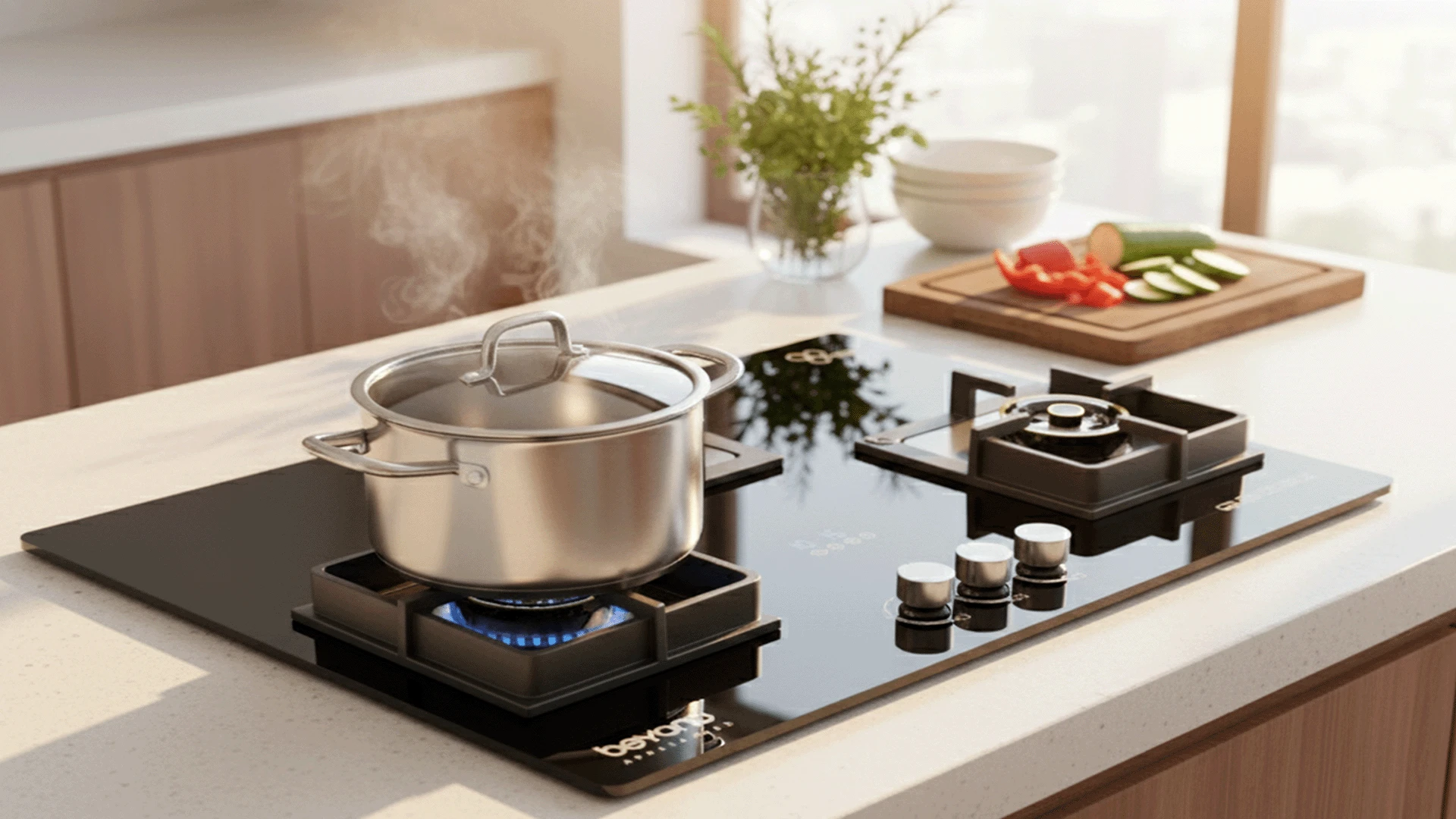
Getting perfect heat distribution from your cooktop can transform your cooking experience. Whether you're searing steaks, simmering delicate sauces, or preparing multiple dishes simultaneously, understanding how heat spreads across your cookware makes all the difference. Poor heat distribution leads to hot spots, uneven cooking, and frustrating results that even experienced cooks struggle with. Modern cooktops offer various technologies to address these challenges, from precise gas flame control to advanced induction heating systems. The key lies in understanding how different cooktop types distribute heat and choosing the right combination of equipment and techniques for your cooking style.
Cooktop heat distribution refers to how evenly heat spreads across the bottom of your cookware during cooking. This fundamental aspect affects everything from cooking times to food quality and energy efficiency. When heat distributes evenly, food cooks uniformly without burning in some spots while remaining undercooked in others. The science behind uniform heat transfer involves conduction, convection, and radiation working together. Heat moves from the burner through the cookware base and then into your food. Poor distribution creates temperature variations that can ruin delicate dishes and waste energy. Common problems include hot spots directly over burner elements, cool zones around pan edges, and inconsistent temperatures across large cooking surfaces. These issues become particularly noticeable when cooking pancakes, making sauces, or preparing dishes that require precise temperature control. Cooktop even heating impacts both cooking results and energy consumption. Uneven heat forces you to move food around constantly, extends cooking times, and can lead to overcooking or burning. Quality cooktops minimize these issues through thoughtful burner design and advanced heating technologies.
Gas burners create heat through combustion, with flame patterns directly affecting how heat spreads across cookware. Understanding gas cooktop flame control helps you optimize cooking performance and achieve better results. Flame pattern optimization involves adjusting burner settings to match your cookware size and cooking needs. A properly adjusted flame should extend slightly beyond the pan bottom without wrapping up the sides, which wastes energy and creates uneven heating.
Cooktop burner size plays a crucial role in heat distribution effectiveness. Small burners work best for sauces and delicate cooking, while large burners handle big pots and high-heat cooking. Matching burner size to cookware diameter ensures optimal heat transfer and prevents energy waste.
BTU ratings indicate heat output potential, but control precision matters more for even cooking. Quality gas cooktops offer fine flame adjustment from gentle simmer to powerful boil, allowing you to maintain consistent temperatures throughout cooking processes.
Electric cooktop temperature control operates differently from gas, using heating elements that cycle on and off to maintain desired temperatures. This cycling creates unique heat distribution characteristics that require different cooking approaches. Coil elements provide direct contact heating but can create circular heat patterns that leave cool spots between coils. Smooth-top electric surfaces offer more even heat distribution through radiant heating elements beneath glass surfaces.
Cooktop temperature control on electric units involves understanding how power levels affect heat distribution. Lower settings cycle elements more frequently, creating gentler, more even heating. Higher settings maintain constant heat output but may create hot spots.
Flat-bottomed cookware with good thermal conductivity works best with electric cooktops. Warped or uneven pan bottoms create air gaps that reduce heat transfer efficiency and worsen distribution problems.
Induction cooktop heat represents the most advanced heating technology available, using electromagnetic fields to heat cookware directly rather than heating a burner element. This approach offers superior heat distribution and precise temperature control. Electromagnetic fields create heat within the cookware itself, eliminating heat transfer losses and providing instant temperature response. The magnetic field covers the entire burner area, creating remarkably even heat distribution across compatible cookware.
Smart cooktop features on induction units include precise temperature sensors, automatic power adjustment, and programmable cooking modes. These technologies maintain consistent heat distribution automatically, reducing the need for manual adjustments during cooking.
Induction heating requires magnetic cookware materials like cast iron or magnetic stainless steel. The magnetic properties ensure optimal energy transfer and even heat distribution across the pan bottom.
Selecting the best cooktop for even cooking involves comparing heat distribution capabilities across different technologies. Each type offers distinct advantages depending on your cooking style and preferences. Induction cooktops generally provide the most even heat distribution, followed by quality gas units with well-designed burners. Electric cooktops can achieve good results but require more attention to cookware selection and technique.
Burner configuration affects overall cooking flexibility and heat distribution options. Multiple burner sizes allow you to match heating zones to cookware dimensions, improving efficiency and cooking results.
Efficient cooktop options exist across all price ranges. Focus on models with good build quality, precise controls, and features that support even heating rather than just maximum power output.
Modern smart cooktop features enhance heat distribution through advanced sensors and automatic controls. Digital displays show precise temperatures, while multi-zone controls allow independent heat management across different cooking areas. Cooktop power levels on smart units often include preset cooking modes optimized for specific dishes. These programs automatically adjust heat distribution patterns to achieve optimal results for different cooking techniques.
Automatic shut-off features and overheat protection maintain safe cooking conditions while preserving heat distribution quality. Timer functions help maintain consistent heating without constant monitoring.
App connectivity allows remote monitoring and control, ensuring consistent heat distribution even when you're not actively watching the cooktop. Some models learn your cooking patterns and suggest optimal settings.
Maximizing your efficient cooktop performance requires proper cookware selection and maintenance. Heavy-bottomed pans with good thermal conductivity distribute heat more evenly than thin or warped cookware. Regular cleaning maintains optimal heat transfer between burner and cookware. Built-up residue creates insulation that reduces heating efficiency and creates uneven temperature zones.
Preheating cookware gradually allows heat to distribute evenly before adding food. Avoid temperature shock that can warp pans and create permanent hot spots.
Keep burner surfaces clean and check gas burner ports regularly for clogs. Electric elements should sit flat and make good contact with cookware. Induction surfaces need only basic cleaning to maintain performance.
Test with a dry pan heated on medium. Good distribution shows even browning across the bottom without distinct hot spots or cool zones.
Heavy-bottomed stainless steel or cast iron works well on all types. Induction requires magnetic materials, while gas and electric work with most cookware materials.
Hot spots often result from warped cookware, dirty burners, or mismatched pan sizes. Clean burners, check cookware flatness, and match pan size to burner diameter.
Induction cooktops generally offer the most even heat distribution, followed by quality gas burners. Electric coil and smooth-top units can achieve good results with proper cookware.
Preheat gradually, use appropriate burner sizes, and choose quality cookware. Move food less frequently to allow even heating, and adjust power levels based on cooking requirements.
Uneven browning, hot spots that burn food, longer cooking times, and difficulty maintaining consistent temperatures indicate distribution problems requiring attention or replacement.
